Uganda’s Bark Cloth Moves Into Engineering as Researchers Test It for Car Interiors
A material long associated with Ugandan tradition is now being tested for a very different role: the interior of a modern vehicle.
A new study has found that Uganda’s bark cloth can be combined with glass fibre to produce stronger lightweight composite materials with potential use in automotive interior and other semi-structural components.
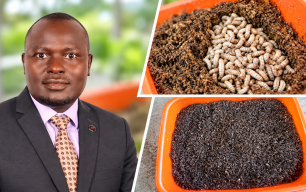
The research brought together scholars from Moi University, the Technical University of Kenya, Busitema University and Ndejje University, including Dr. Samson Rwahwire from Busitema University’s Department of Polymer, Textile and Industrial Engineering.
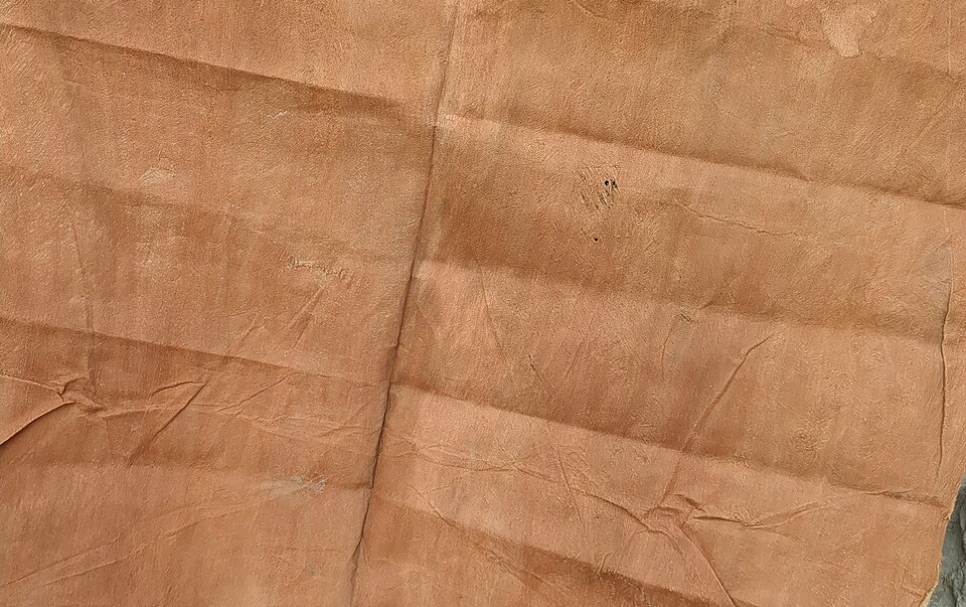
Bark cloth is produced from the inner bark of the Mutuba tree, Ficus natalensis, without cutting down the tree. The bark regenerates after harvesting, allowing the same tree to be used repeatedly over many years.
In the study, bark cloth obtained from Masaka District was combined with glass fibre and polyester resin in different proportions and layer arrangements. The researchers found that the strongest overall configuration used bark cloth and glass fibre at a ratio of 1:3.
The hybrid material performed significantly better than bark-cloth-only composites, recording improvements of about 138 per cent in flexural strength, 82 per cent in tensile strength and 52 per cent in compressive strength.
How the materials were arranged also mattered. Samples performed better when glass fibre formed the outer layers, while bark cloth contributed to energy absorption and resistance to cracking.
The findings are particularly relevant as manufacturers search for lighter materials with a lower environmental footprint. Rather than replacing all conventional vehicle materials, the researchers see potential for bark-cloth composites in areas where low weight and adequate strength are important, including interior panels and selected semi-structural parts.
The work could also create new possibilities for Uganda. If further research leads to commercial applications, demand for bark cloth could support farmers, traditional producers, processors and local manufacturers while connecting cultural knowledge with modern engineering.
The study also acknowledges limitations. Natural fibres can absorb moisture and do not match the strength of materials such as glass or carbon fibre on their own. Hybridising bark cloth with glass fibre is one way of improving performance while retaining some of the environmental advantages of a renewable local material.
The researchers describe the study as the first systematic investigation of bark cloth and glass fibre hybrid composites for this kind of engineering application.
The study, “Fabrication and Mechanical Performance of Bark Cloth/Glass Fiber Reinforced Hybrid Polymer Composites for Automotive Applications,” was published in Engineering Reports by Wiley in April 2026.
- 54 views