Busitema Sharpens Focus on Results, Accountability and Institutional Impact
Busitema University has set its sights on strengthening performance, accountability and measurable results as it seeks to translate its growing institutional capacity into greater impact on national development.
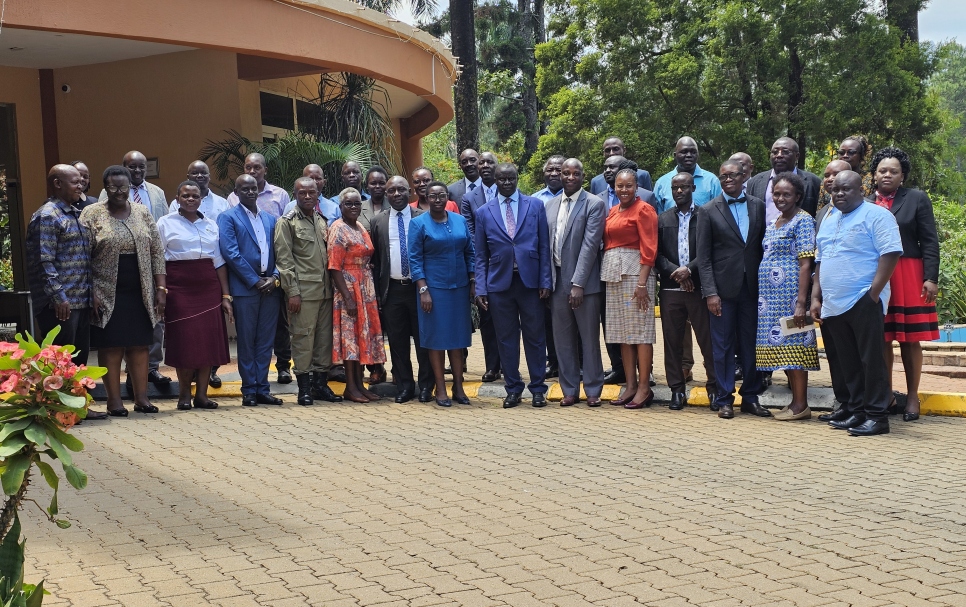
The direction emerged on September 2, 2026, as University Management began a two-day retreat at Mbale Resort Hotel under the theme, “Strengthening Performance Management, Accountability and Organisational Change.”
The retreat is bringing together members of Management to review the University’s strategic direction for the 2026/2027 financial year, assess performance, align individual and institutional targets and identify practical measures to improve service delivery.
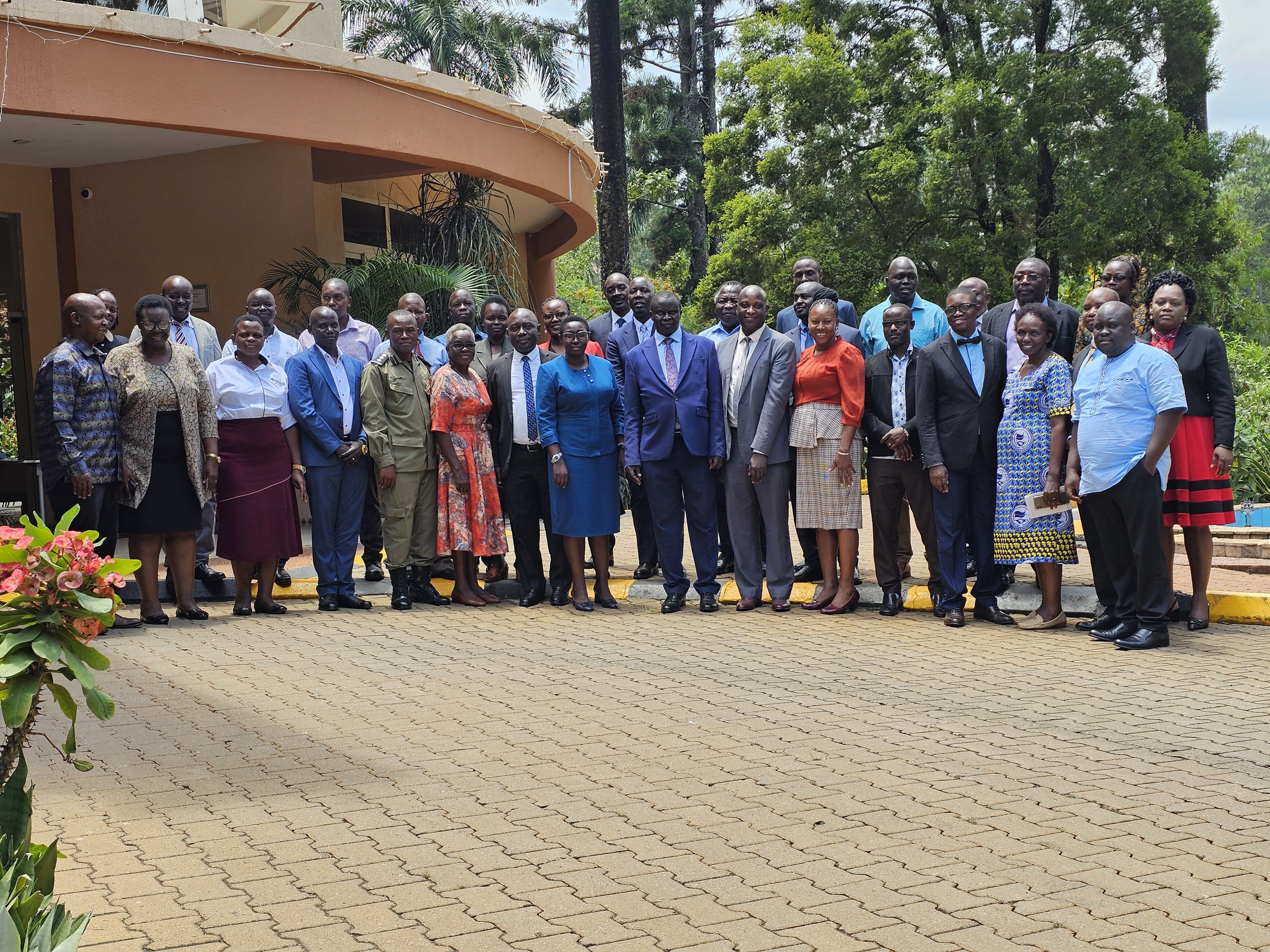
Opening the strategic discussions, University Secretary Dr. Gregory Tweheyo urged Management to assess the University’s current performance, define where it wants to be in the coming years and identify the actions needed to achieve its goals.
He guided the discussion around four key questions: Where is the University now? What does it want to achieve? What steps are needed to get there? And how will Management measure whether those goals have been achieved?
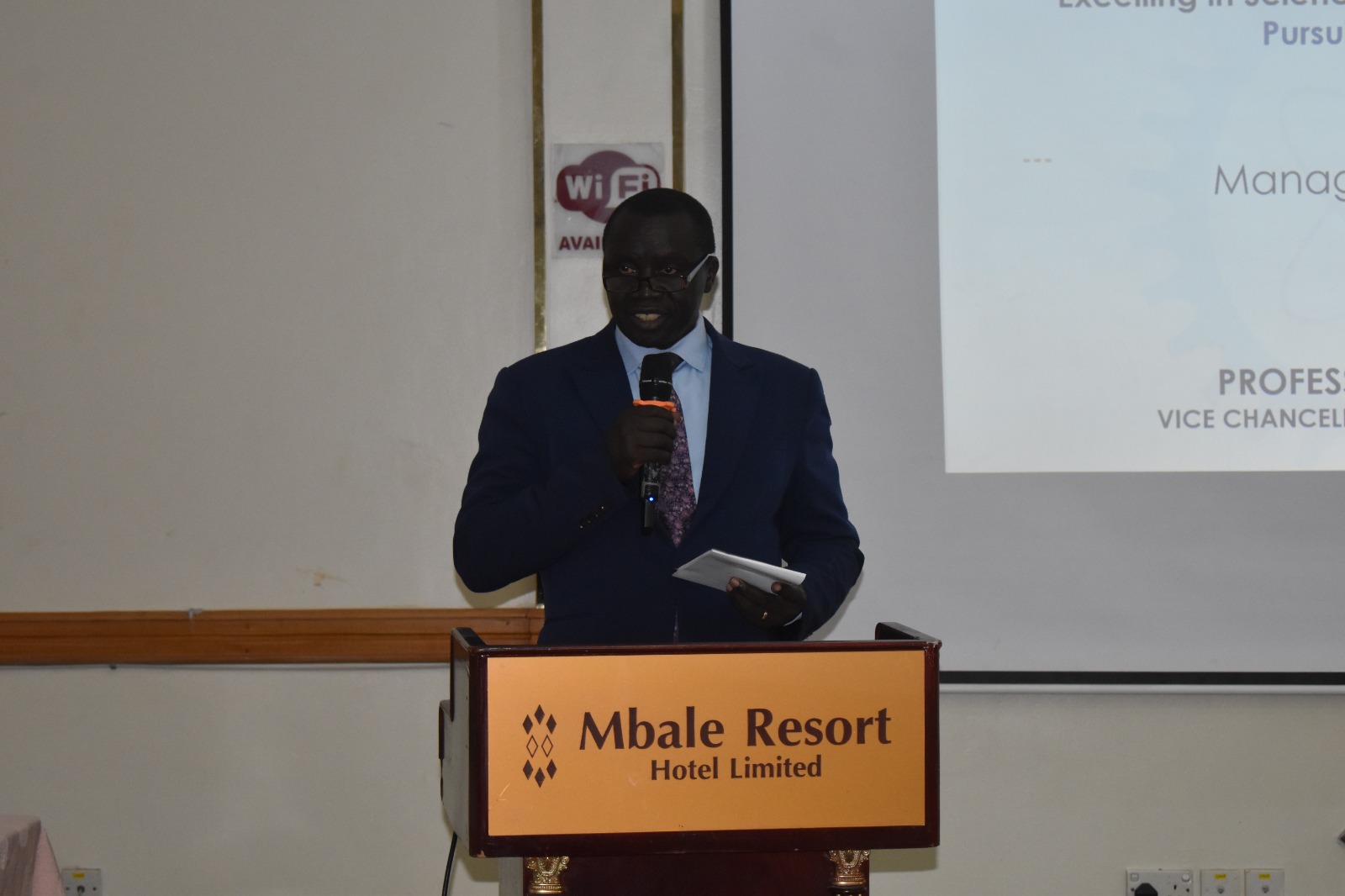
Setting the tone for the discussions, Vice Chancellor Prof. Paul Waako challenged managers to ensure that the University’s continued growth is reflected in what it actually achieves. Presenting figures on the University’s budget, staffing, student enrolment and academic programmes, he noted that Busitema has continued to expand over the years, but stressed that increased resources and institutional capacity must be matched by results.
He linked this to the retreat’s focus on performance management and accountability, urging managers to look beyond the activities carried out by their units and consider the results those activities produce. He pointed to measures such as biometric attendance systems and changes in staff appraisal as part of efforts to strengthen performance management.
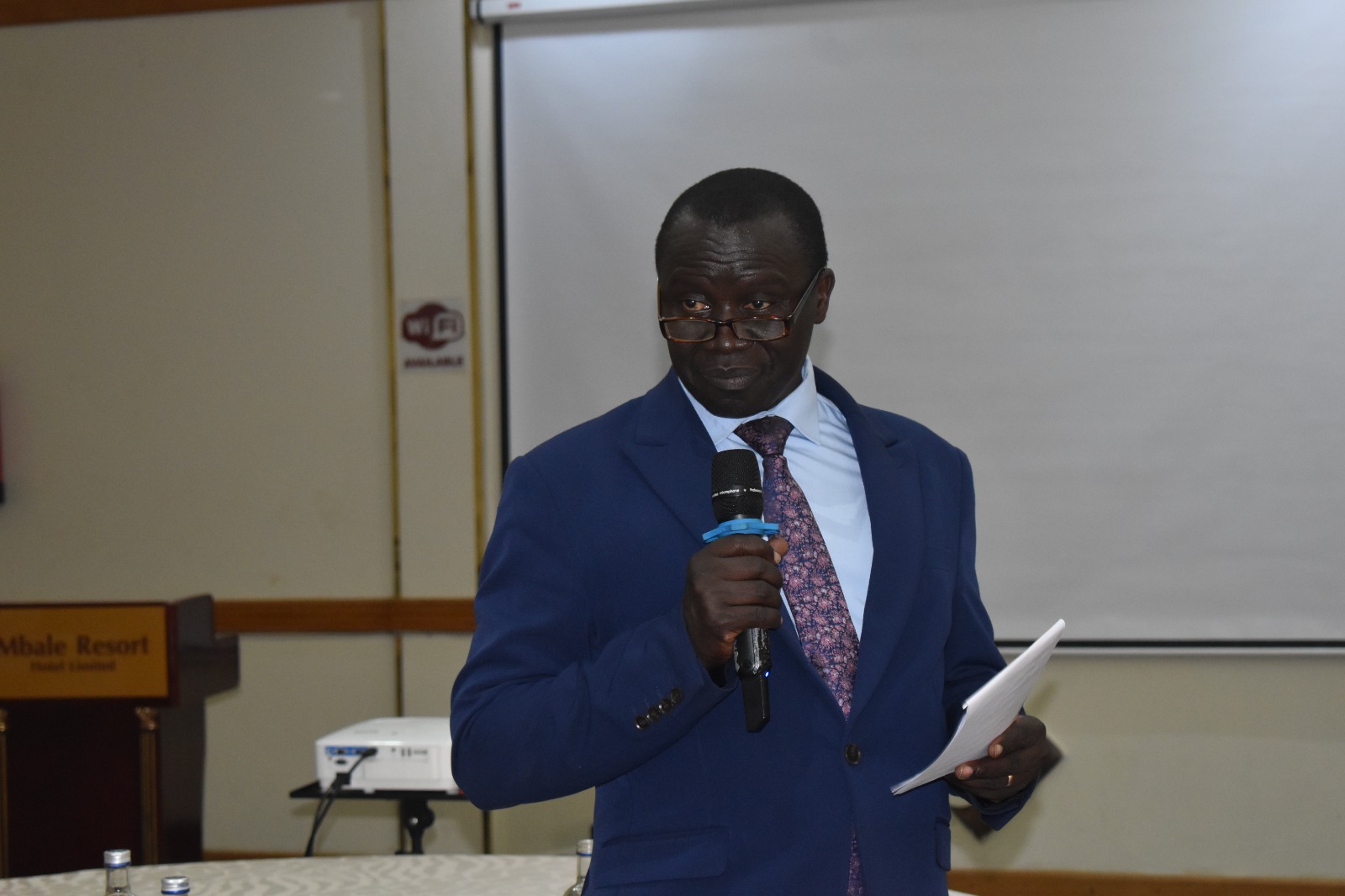
Prof. Waako also called for a shift in the University’s research agenda towards industrial research and commercialisation, including the development of start-ups and production units. He pointed to the potential for Busitema University to contribute to the development of a pharmaceutical industry in Kabwangasi as one area requiring strategic attention.
Student enrolment has risen to 8,341 in the 2026/2027 financial year, while the number of academic programmes has increased to 92, of which 35 per cent are MSc and PhD programmes and 65 per cent are undergraduate programmes.
Prof. Waako continued to challenge Management to make better use of the University’s growing pool of PhD holders to strengthen research output, publication, university rankings and global visibility.
The Chief Human Resources Officer, Dr. Mercy Wanyana, reinforced this message in her presentation on “Alignment of Appraisal with the CEO Assessment Tool.”where she explained how staff appraisal can be linked more closely to the actual responsibilities of each position. Using examples from different University roles, she showed that staff should be assessed on how they carry out the duties assigned to them and deliver the services expected from their offices.
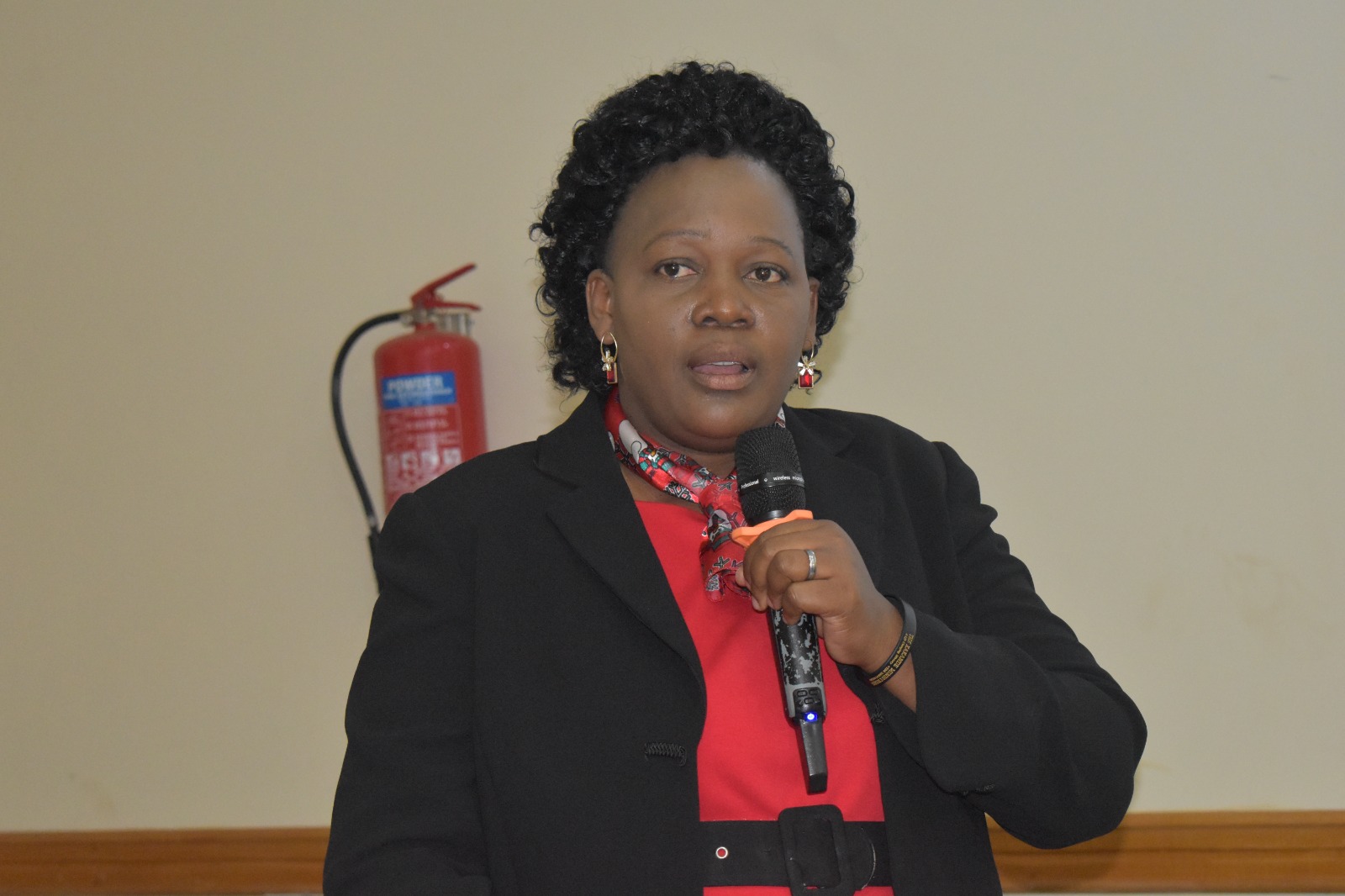
She also highlighted the importance of understanding the needs of clients and stakeholders, improving service delivery and ensuring that heads of departments work against clearly defined performance expectations.
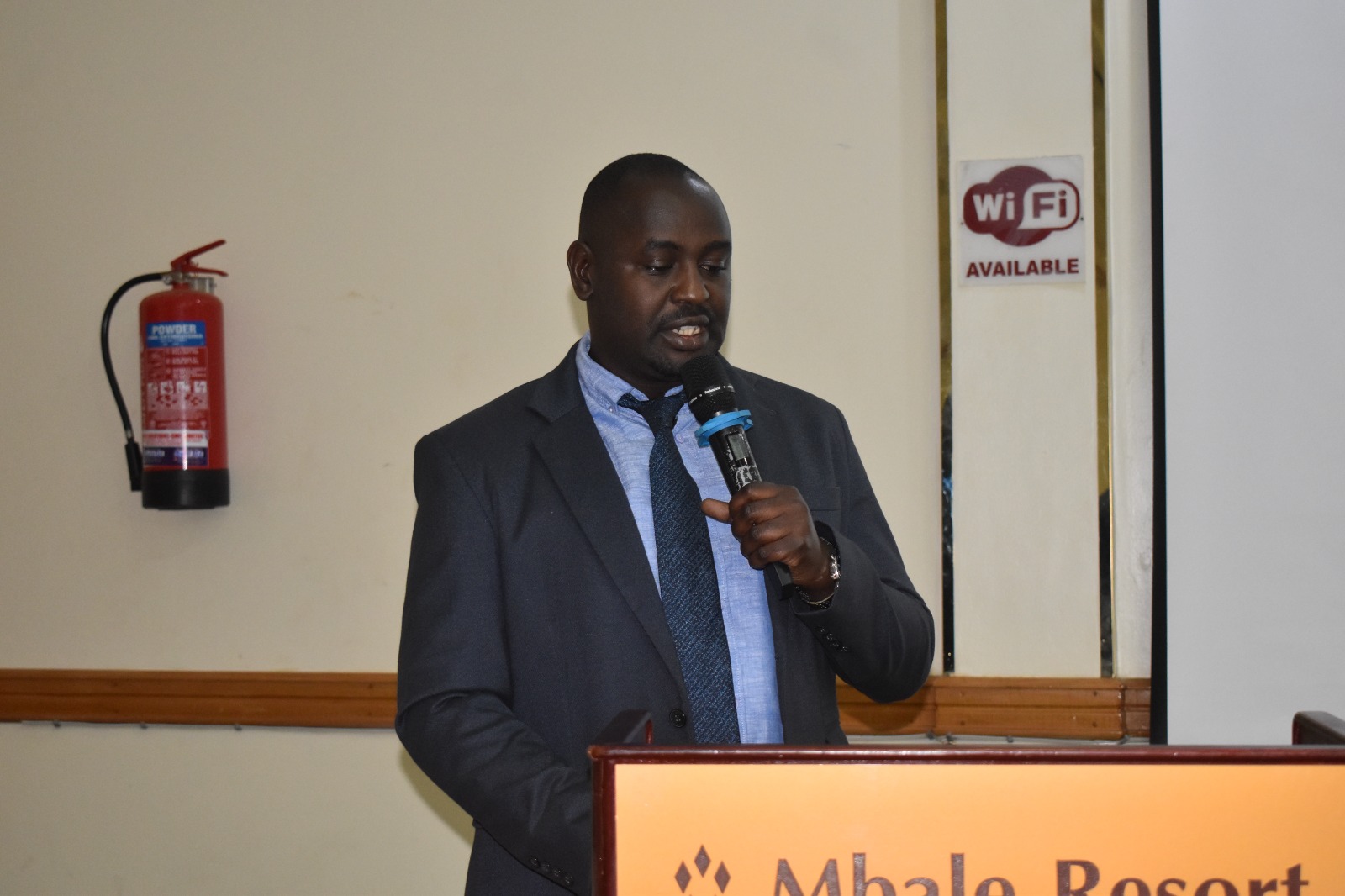
Chief Planner, Paddy Namurebire presented the results of the University’s 2025/2026 performance assessment, which looked at how well all 14 University programmes had met their planned targets.
The assessment reviewed 204 budget outputs. Of these, 191 had clear targets that could be measured, while 13 did not have enough information in the workplans to be properly assessed. Namurebire explained that the exercise was meant to show where the University was performing well, identify areas that needed improvement and help Management make better decisions on how resources should be used.
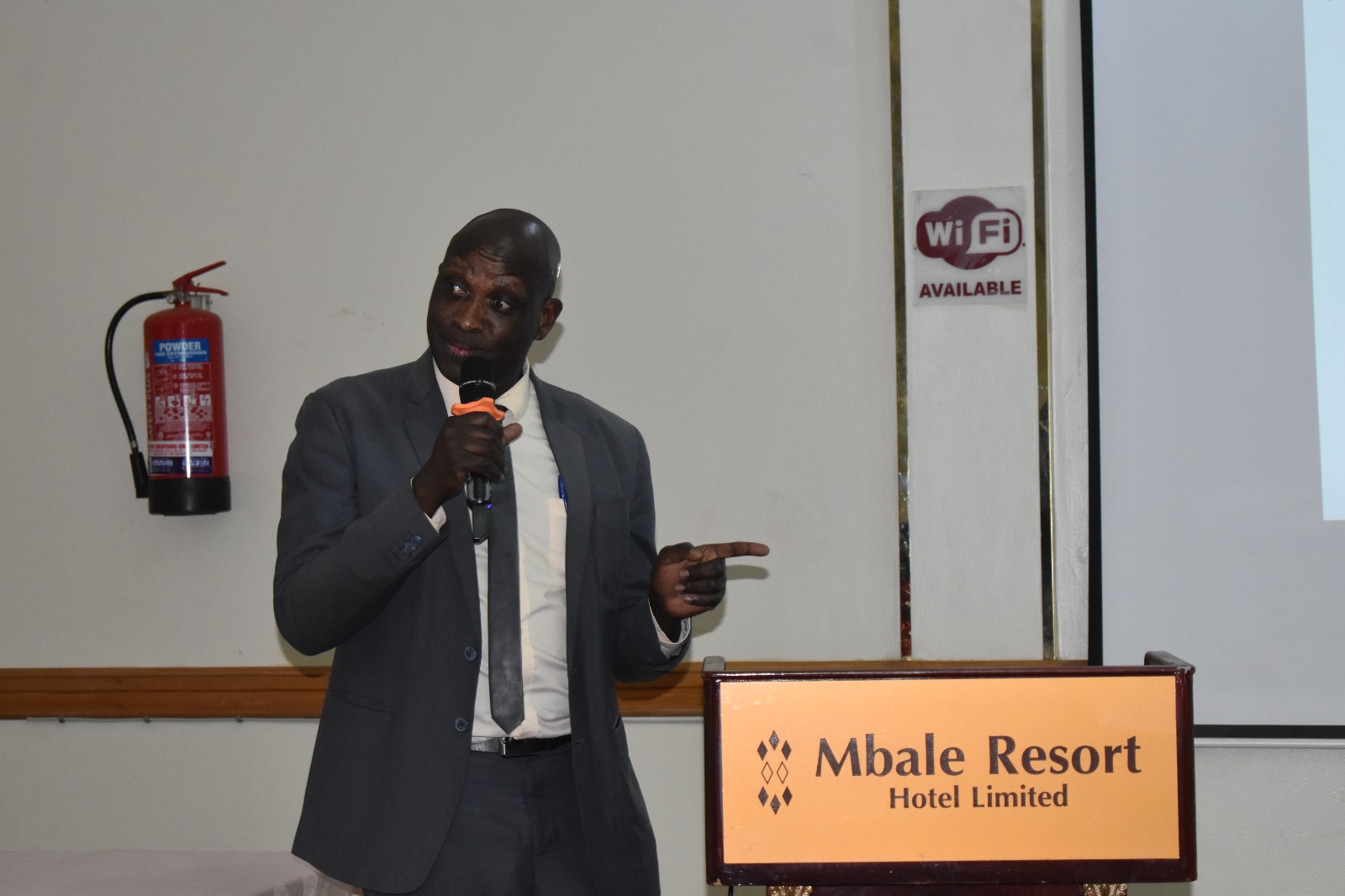
Deputy Vice Chancellor, Finance and Administration, Assoc. Prof. Pakoyo Kamba, spoke about the management of funds that come to the University outside its regular budget. He stressed that such funds must be properly planned for, used according to the law and financial procedures, and fully accounted for.
He added that accountability should go beyond showing how the money was spent. The University should also be able to show what was achieved with the funds and whether the intended results were delivered.
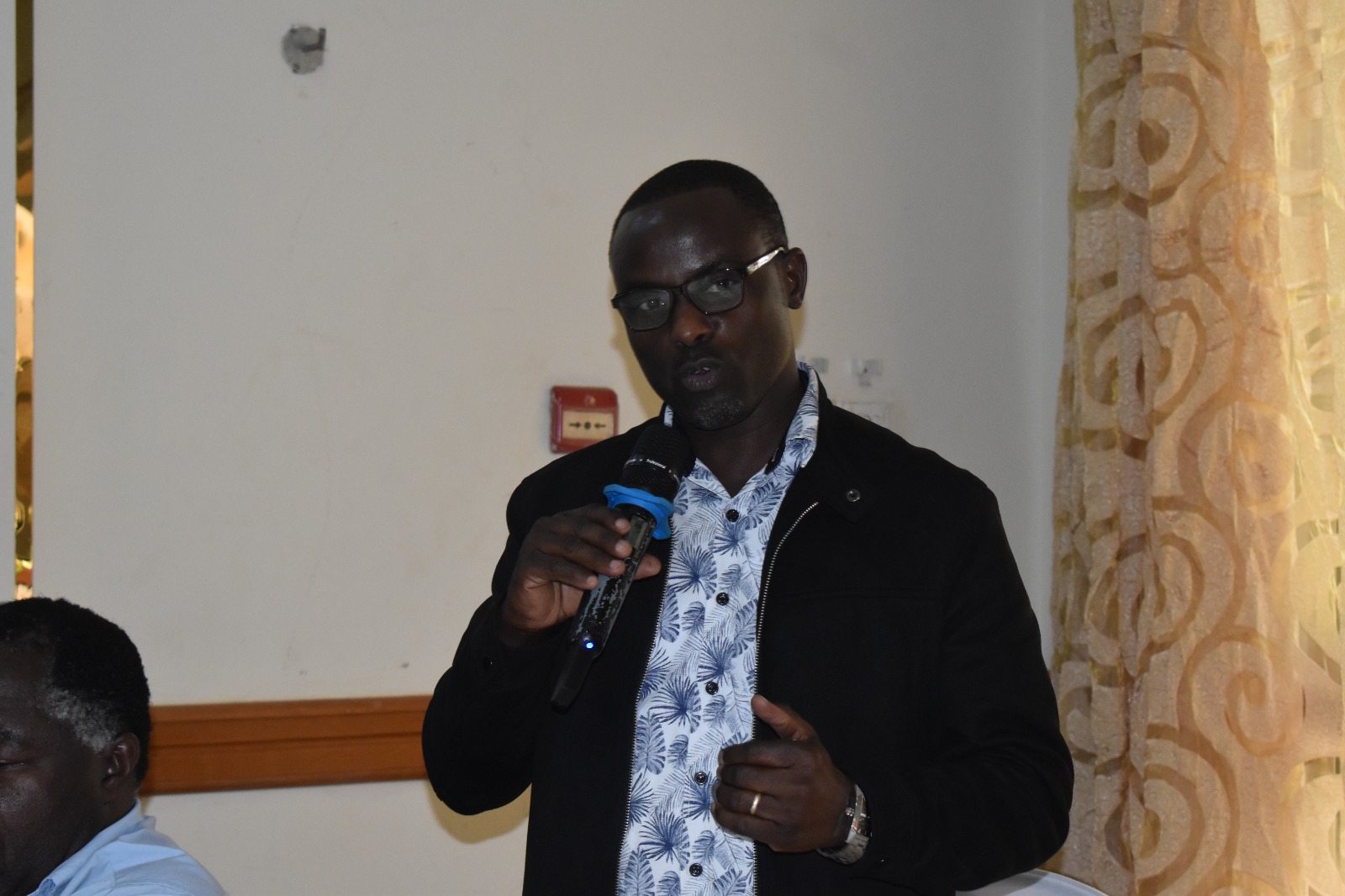
The presentations were followed by a plenary session in which members of Management asked questions, sought clarification and discussed how the issues raised could be addressed in practice.
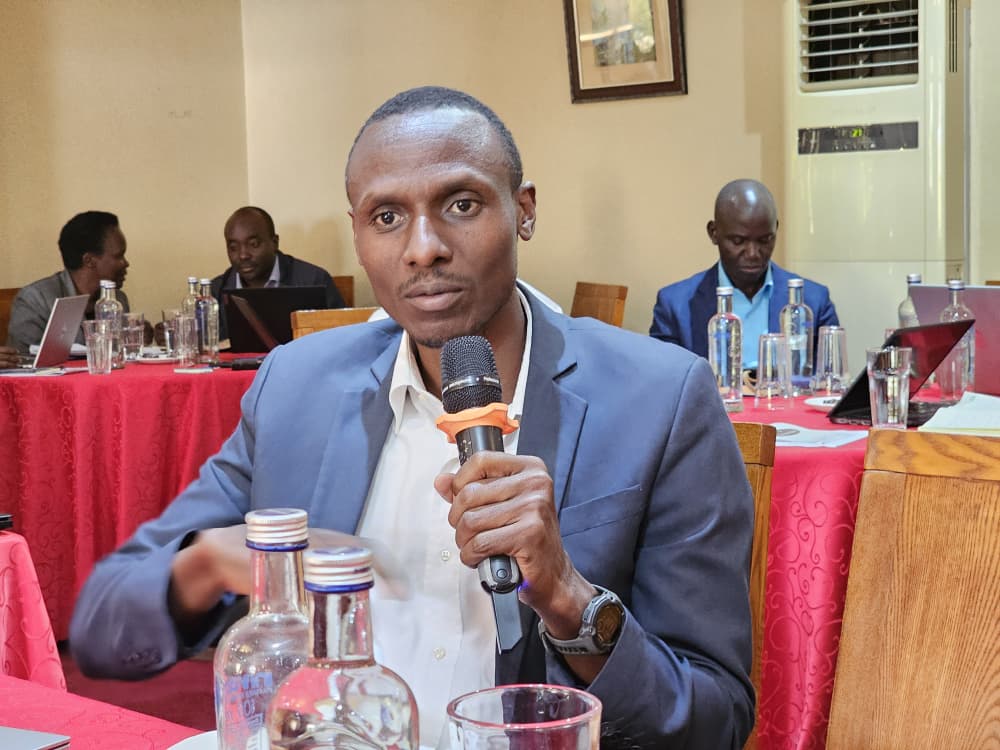
Contributing to the discussion, University Librarian Dr. Fredrick Kiwuwa Lugya highlighted the importance of documenting departmental processes to ensure consistency, accountability and continuity in the way University units operate. He noted that clear process documentation is also critical to strengthening the University’s quality-management systems and supporting its efforts towards ISO certification.
- 131 views