Busitema Study Seeks Earlier Detection of Heavy Menstrual Bleeding

Busitema Study Seeks Earlier Detection of Heavy Menstrual Bleeding
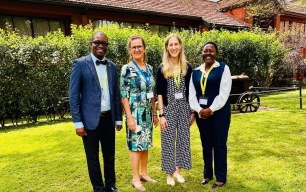
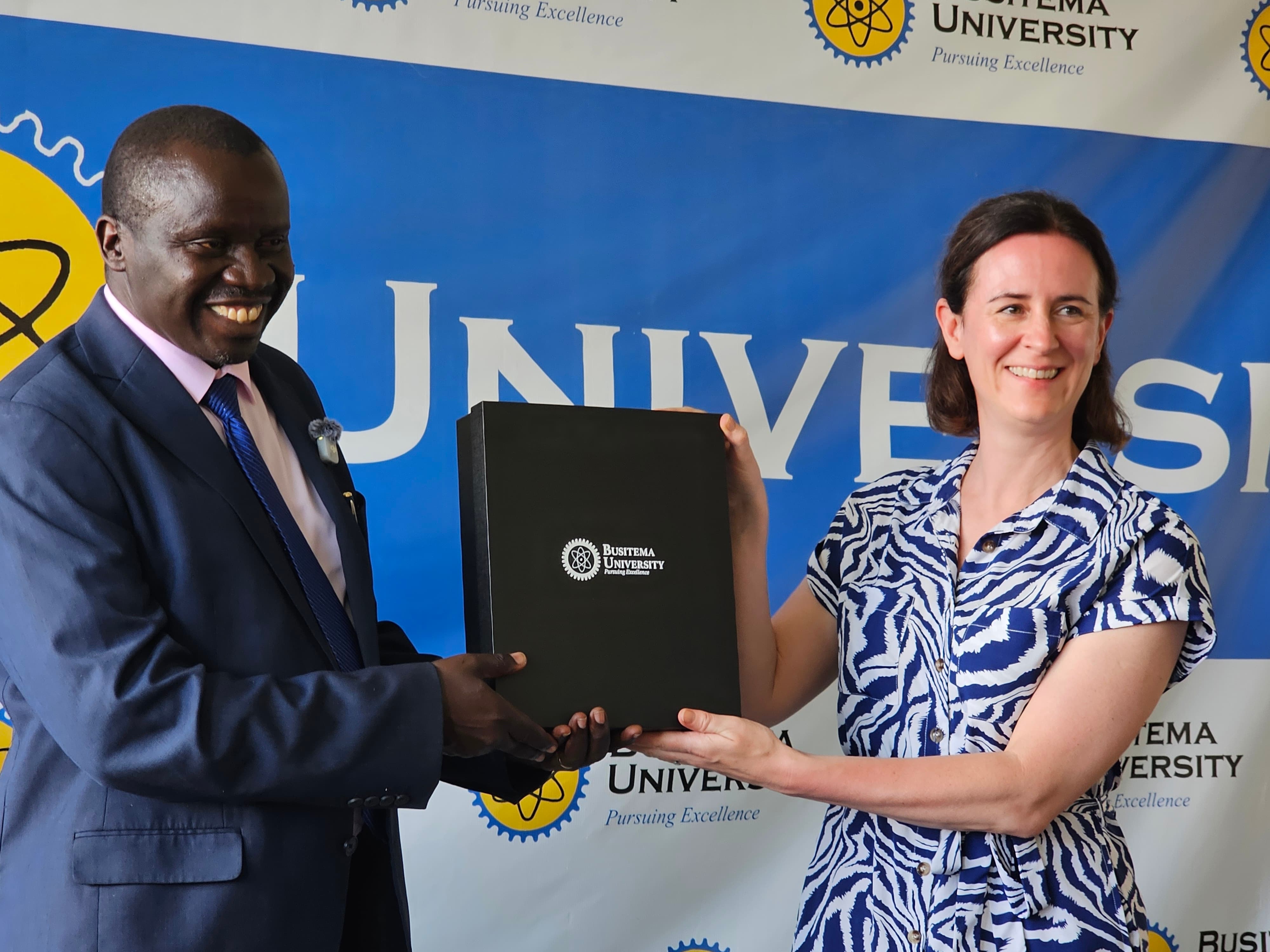
Wellcome Leap Programme Director Dr Jackie Maybin visited Busitema University on Wednesday, 11 November 2026, to review progress on a study seeking better ways to detect heavy menstrual bleeding among adolescent girls before it leads to serious health complications.
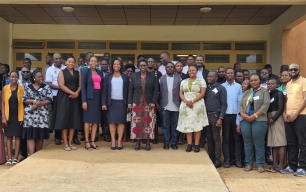
The engagement, held in the Vice Chancellor's Boardroom, was part of a three-day visit to Uganda by a Wellcome Leap delegation to review the implementation of the Vital-HMB Project, which is examining biological markers and other factors that could help identify girls experiencing excessive menstrual bleeding.
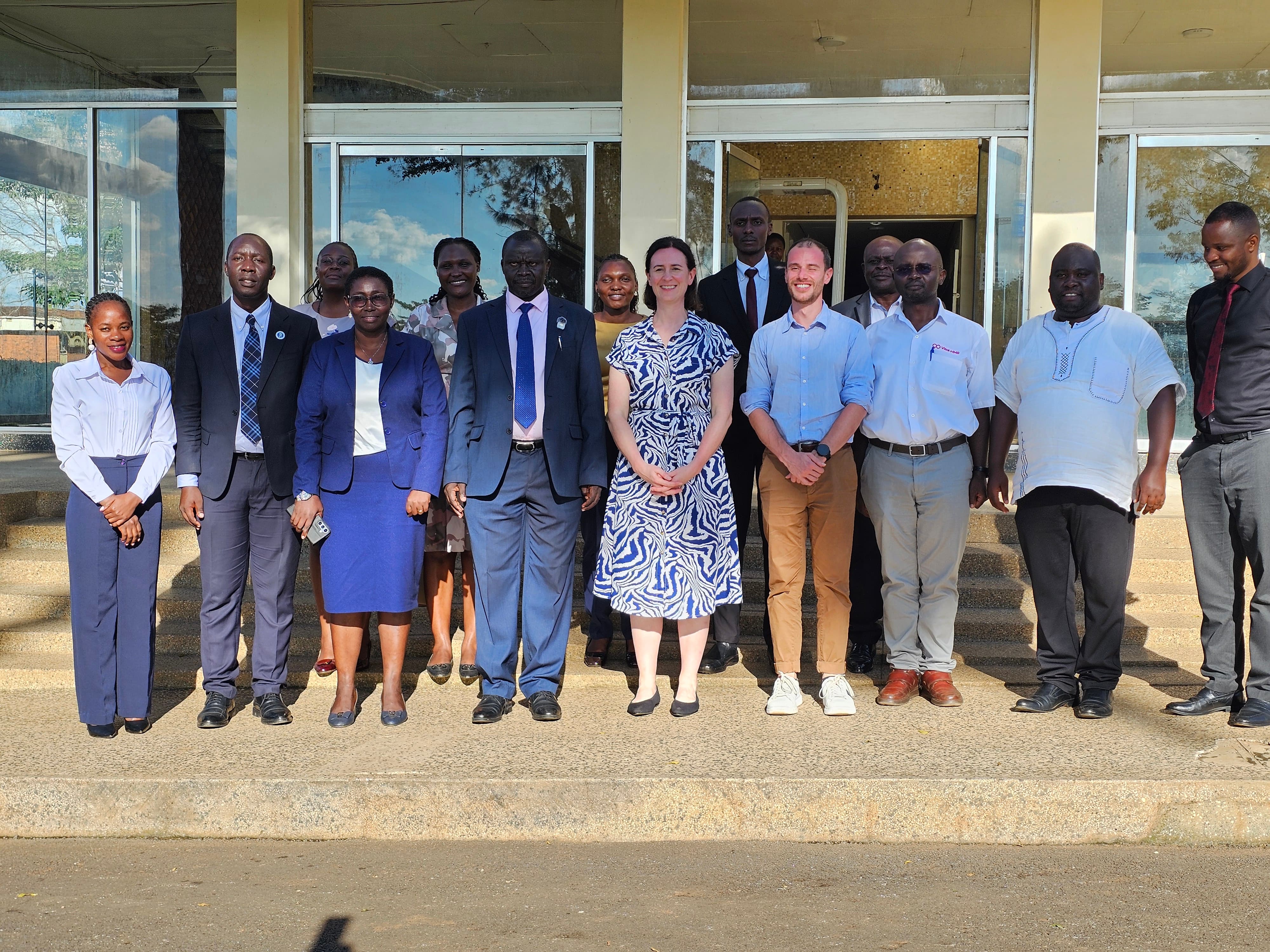
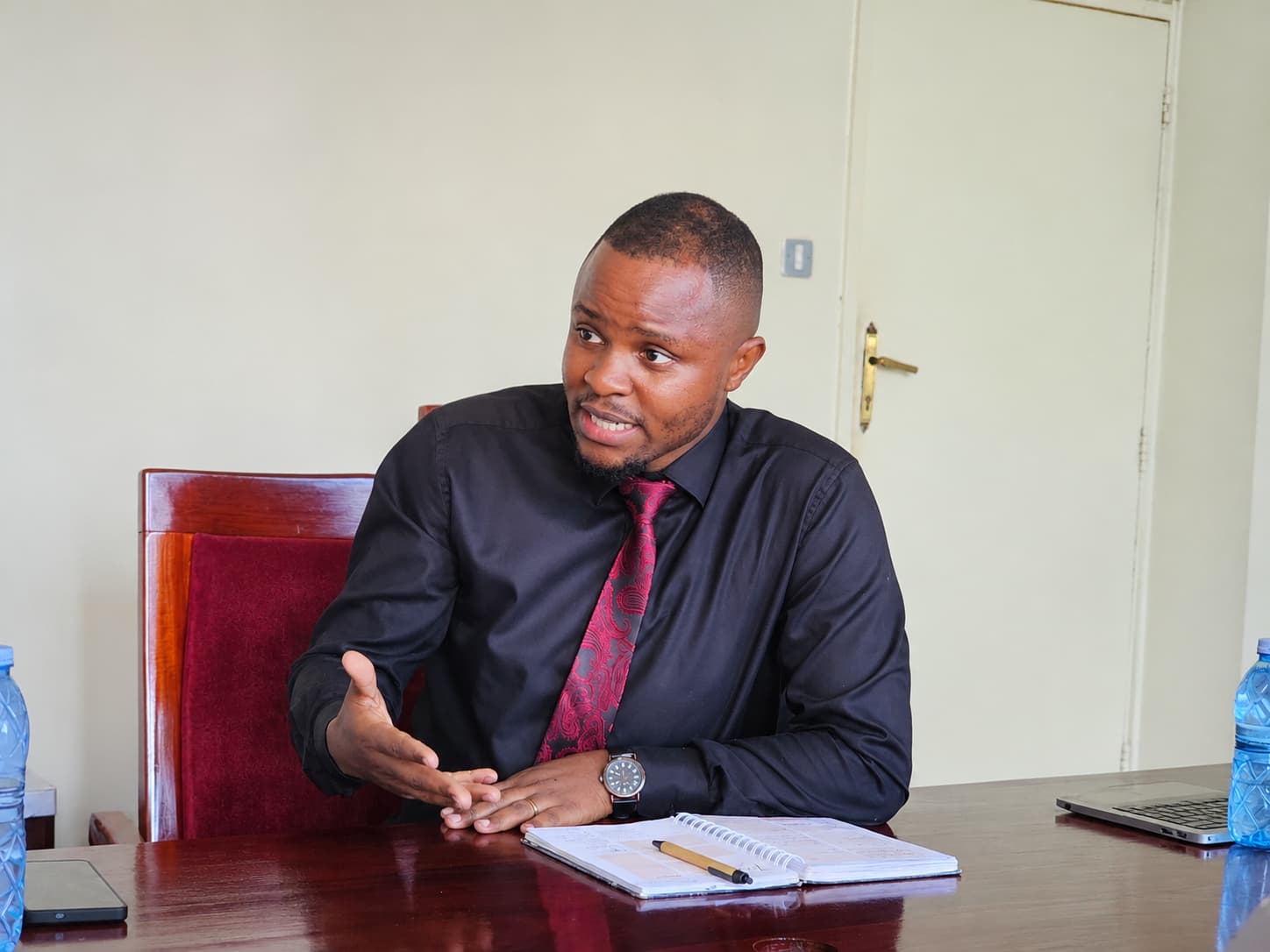
Led by Dr Milton Musaba of Busitema University, the research team is seeking to develop more reliable methods of detecting heavy menstrual bleeding and assessing the risk of iron deficiency, a common complication of prolonged excessive blood loss.
The two-year study, launched in 2025, was designed to involve 5,000 girls drawn from schools, higher education institutions, healthcare facilities and communities across Uganda. Researchers are examining differences between girls experiencing heavy menstrual bleeding and those with normal menstrual patterns, with particular interest in identifying proteins and other biological characteristics that could support earlier diagnosis.
During the visit, Dr Musaba reported on participant recruitment across the study sites, including Tororo, and the ongoing investigations. The research team hopes to use the information collected to develop predictive models that combine biological markers with other health-related factors. Machine-learning methods are expected to support the analysis and eventual development of screening tools that could be used in healthcare settings with limited access to specialist services.
Heavy menstrual bleeding remains an overlooked reproductive health concern despite its effects on women's physical health and daily lives. According to Wellcome Leap, approximately one in three women of reproductive age reports experiencing the condition when directly asked during research. Prolonged excessive bleeding can lead to iron deficiency and anaemia, causing fatigue, dizziness and difficulty concentrating.
For school-going girls, these complications can interfere with learning and participation in everyday activities. Cultural beliefs surrounding menstruation can also discourage open discussion, making it difficult for those affected to recognise when their bleeding requires medical attention.
Associate Professor David Mukunya, a co-investigator on the Vital-HMB Project, explained that although previous research had established the existence of menstrual health challenges, many studies had been relatively small. The ongoing investigation is intended to provide a more comprehensive understanding of heavy menstrual bleeding and its relationship with iron deficiency among adolescent girls.
The Busitema research team is participating in Wellcome Leap's $50 million The Missed Vital Sign programme, which brings together researchers from several countries to address gaps in the diagnosis and treatment of heavy menstrual bleeding. Dr Musaba is among the researchers selected for the programme, with the Busitema-led team representing its African research contribution.
Dr Maybin explained that women experiencing heavy menstrual bleeding often face considerable delays in obtaining appropriate medical care. Some do not seek treatment because they consider excessive bleeding normal, while others undergo lengthy investigations and repeated treatment attempts before finding an effective solution.
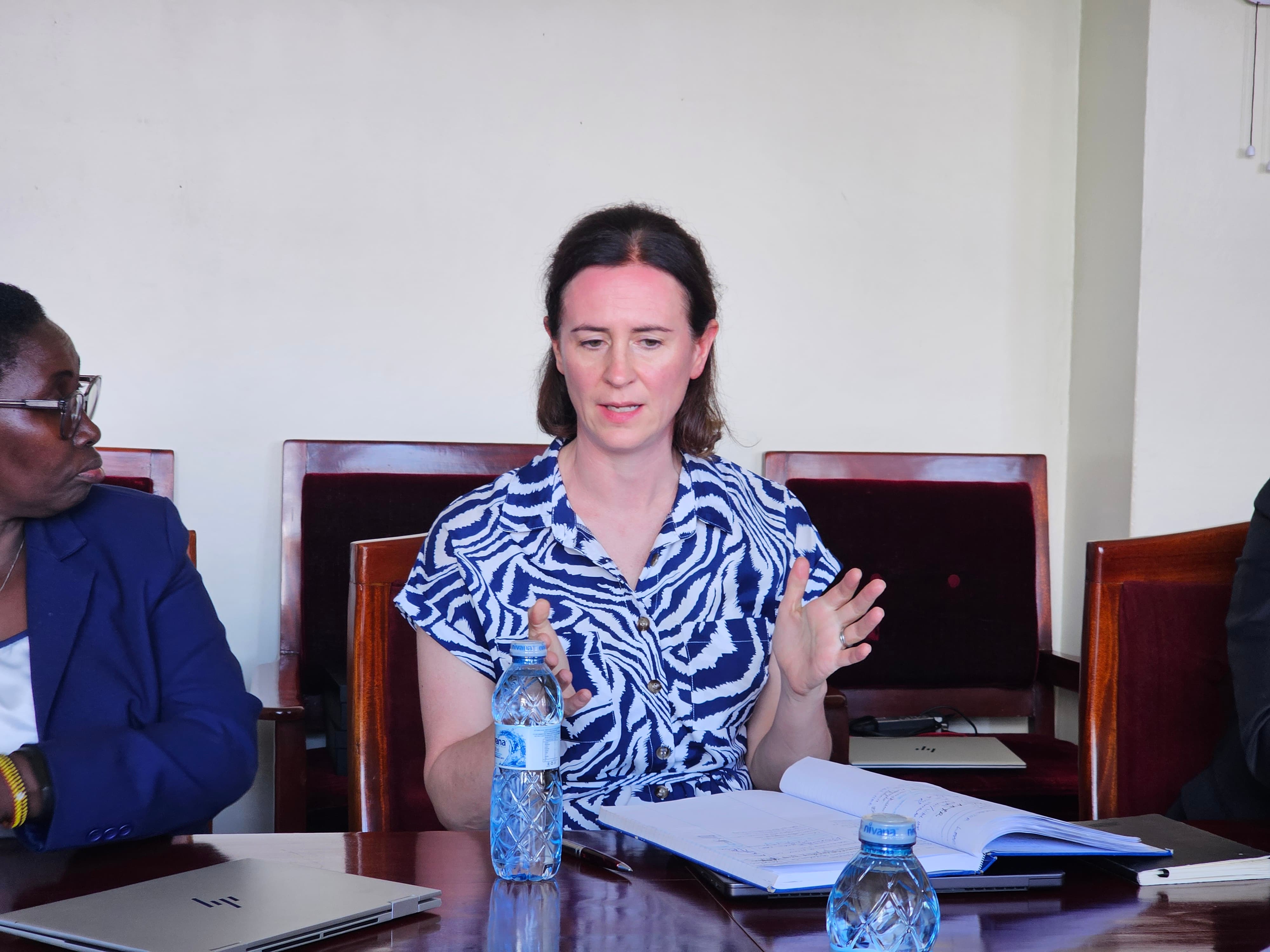
The programme aims to reduce the average time women experience heavy menstrual bleeding before receiving effective treatment from five years to five months. Its research priorities include developing accurate screening methods, improving understanding of the biological causes of excessive bleeding, and identifying more targeted treatment options, particularly those that do not rely on hormonal medication.
A central objective is to develop screening tools that can identify women at risk of iron deficiency without requiring specialist training. Such approaches could eventually allow women to recognise warning signs earlier and seek medical assessment before their condition becomes severe.
Dr Maybin identified the work being undertaken by Dr Musaba's team as an important contribution to this objective, particularly in generating evidence from African populations that can inform diagnostic approaches intended for use across different geographical and healthcare settings.
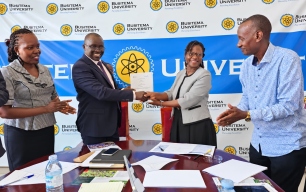
Vice Chancellor Prof. Paul Waako welcomed the delegation and expressed appreciation for Wellcome Leap's support towards reproductive health research at the University. He reaffirmed Busitema's commitment to providing the institutional support needed for the successful implementation of the project.
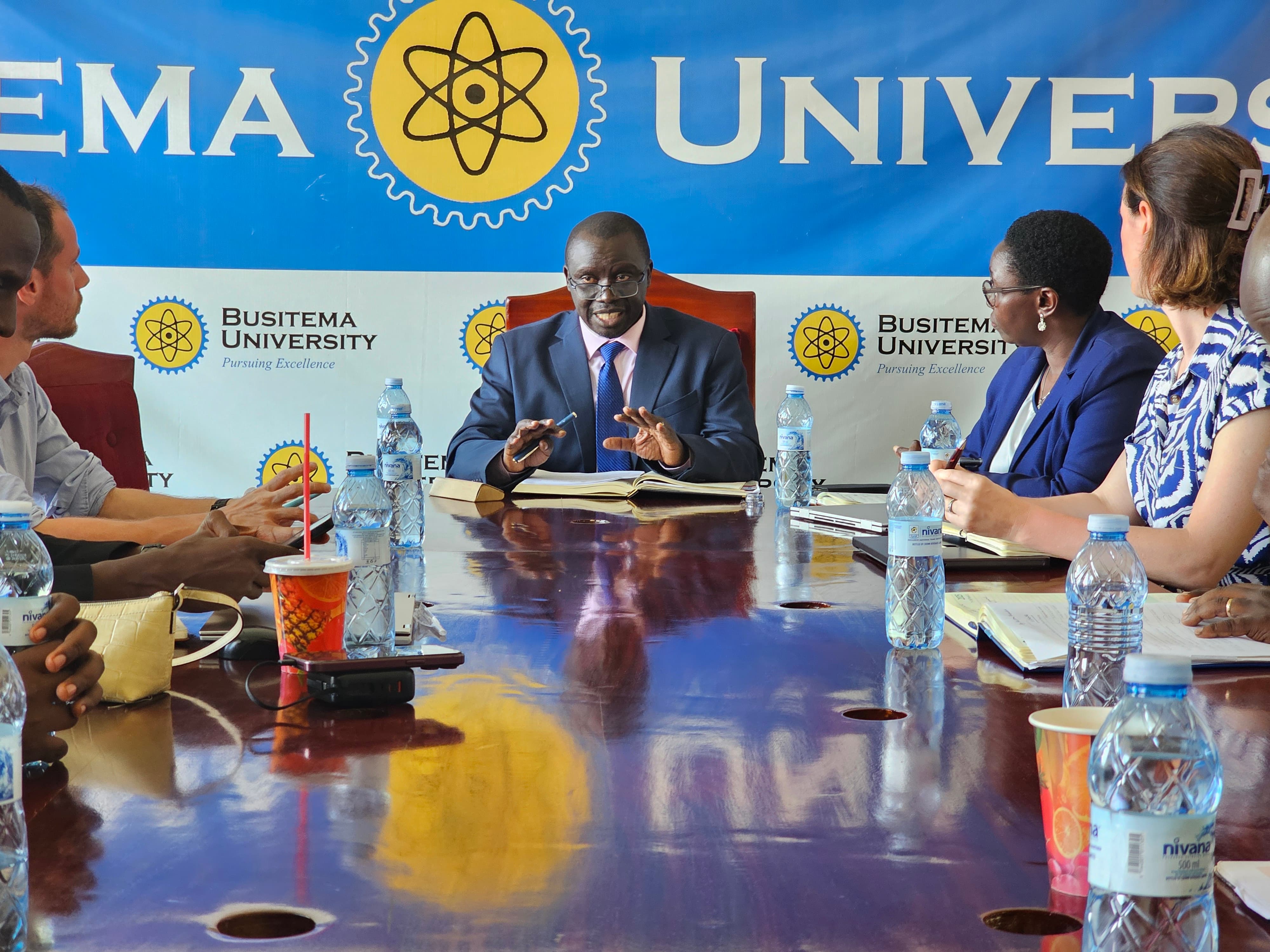
Prof. Waako noted that research and community outreach remain central to the University's work, with several programmes addressing challenges affecting communities around its campuses. He welcomed the project's attention to reproductive health, particularly an area where cultural barriers have historically limited discussion and access to information.
The Vice Chancellor also referred to the University's engagement with schools and communities, observing that research into menstrual health provides an opportunity to address concerns that have often received insufficient attention.
Although the research is still underway, its findings could help improve the identification of heavy menstrual bleeding and associated iron deficiency among adolescent girls. The longer-term aim is to translate that evidence into practical screening methods that support timely diagnosis and treatment, particularly in communities where access to specialised reproductive healthcare remains limited.
- 2 views