Leadership Capacity Strengthened Through Transformative Training on Innovation and Change
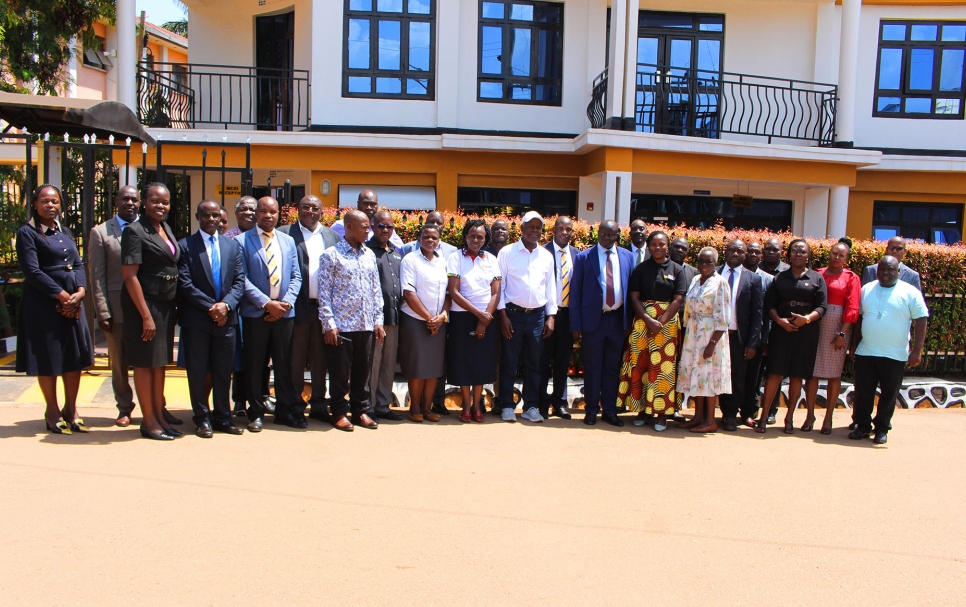
To strengthen leadership and management capacity across the institution, Busitema University convened a leadership training workshop at the Mbale Clinical Research Institute (MCRI) under the theme, “Harnessing Innovation, Change and Team Culture in Leadership for Excellence.” The training, held on June 12, brought together university leaders and staff for a day of reflection, learning, and knowledge sharing on effective
leadership practices in a rapidly changing environment.
The workshop, organized by the University Management, marked the second leadership engagement of its kind, following a similar session held last year. It focused on equipping participants with practical leadership skills, fostering innovation, and enhancing teamwork to drive institutional excellence.
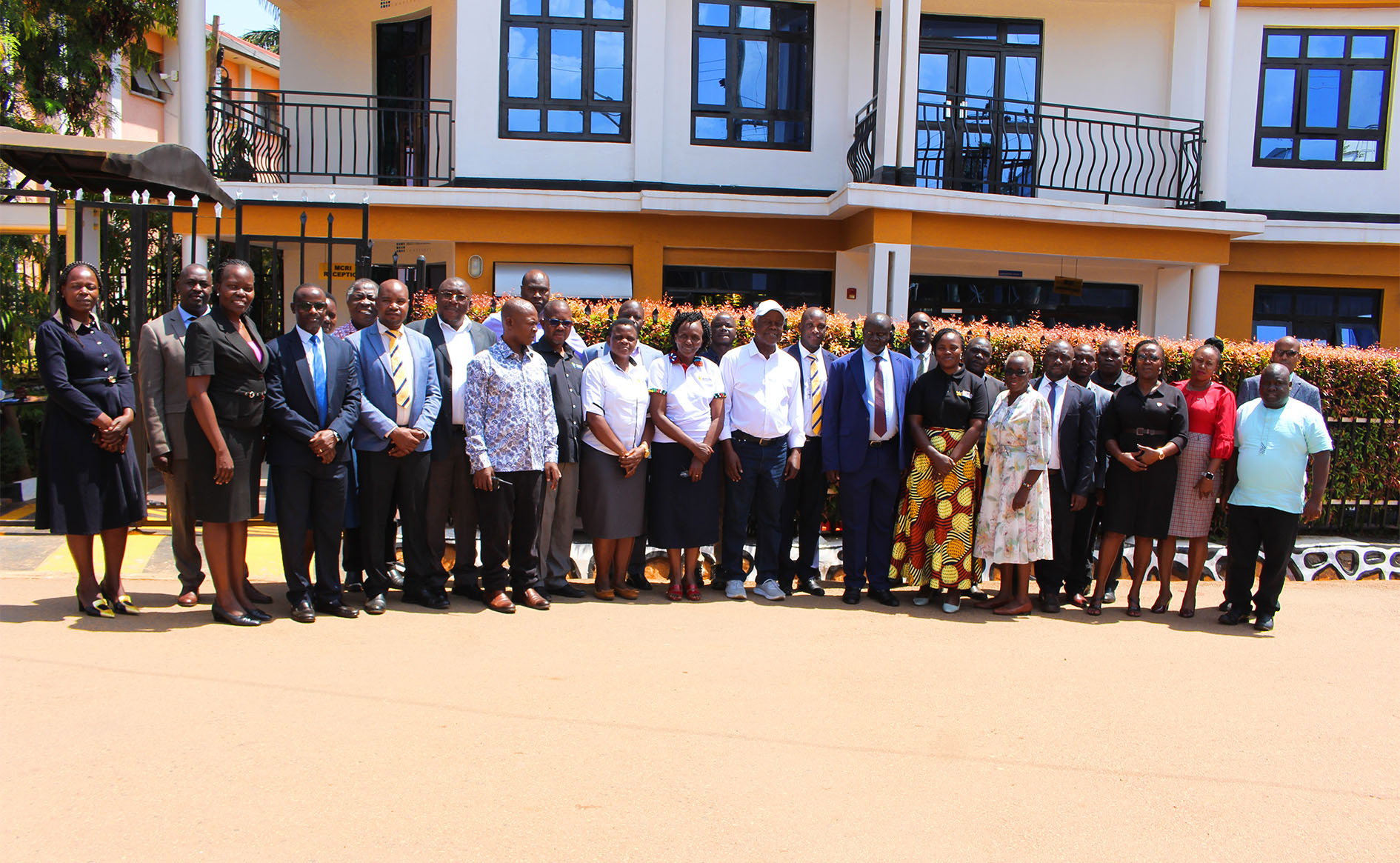
group photograph with Prof. Wasswa Balunywa
Opening the workshop, the Deputy Vice Chancellor for Finance and Administration, Prof. Fadhiru Pakoyo Kamba, underscored the importance of continuous learning in leadership. He noted that while talent is valuable, a willingness to learn and adapt often plays a greater role in effective service delivery.
“Leadership, governance, and management practices are essential in both the public and private sectors,” Prof. Pakayo said, encouraging participants to embrace opportunities for personal and professional growth.
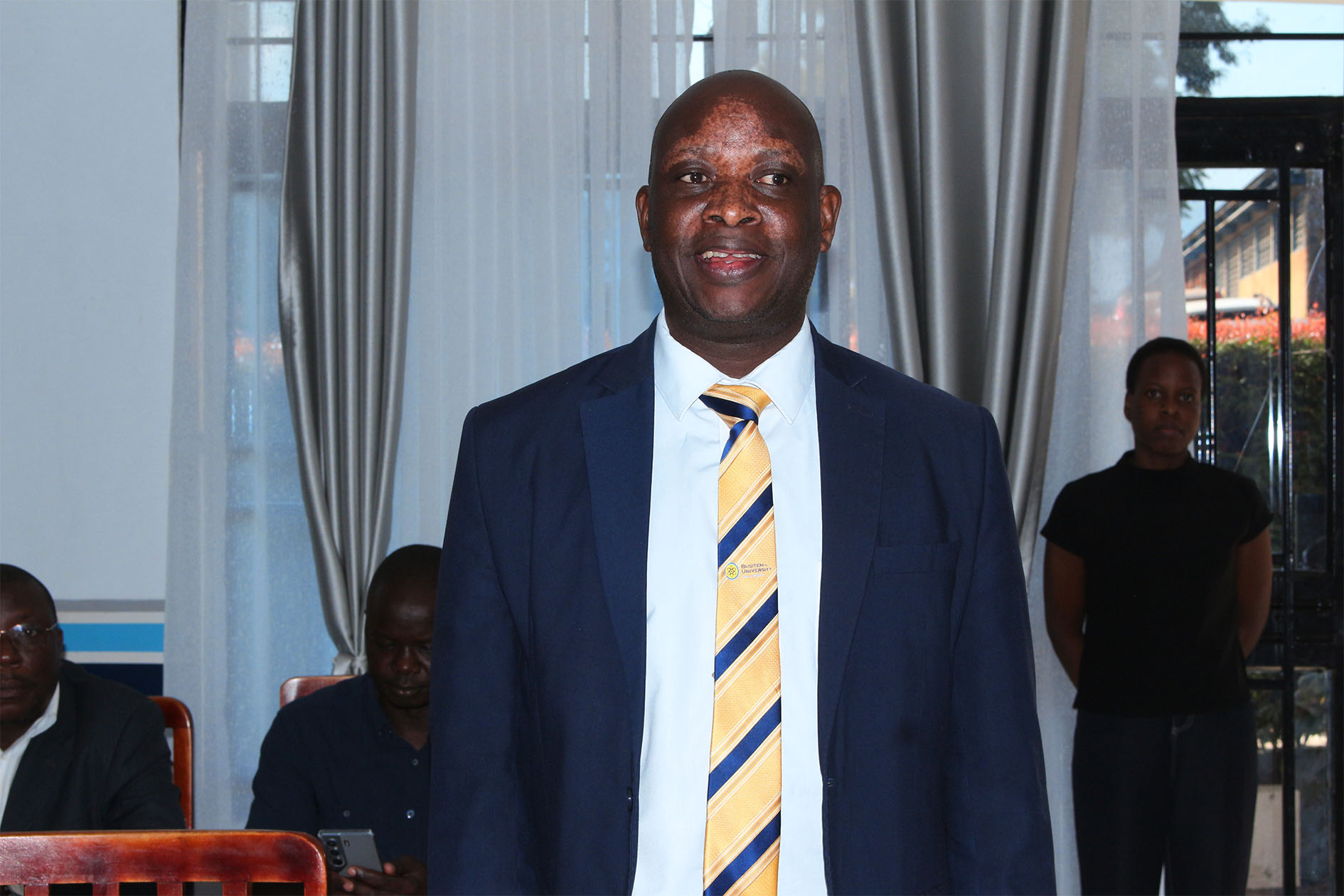
In his remarks, the Vice Chancellor, Prof. Paul Waako, welcomed participants and highlighted the importance of leadership development in building resilient and solution-oriented institutions. He noted that such engagements help nurture transformative leaders who are capable of identifying challenges and developing innovative solutions.
Prof. Waako also paid tribute to the workshop’s chief facilitator, Prof. Wasswa Balunywa, describing him as a long-time mentor and respected academic whose contributions to higher education and entrepreneurship have inspired many. He challenged participants to think beyond conventional approaches and make effective use of available resources to advance the University’s mission.
Drawing from practical examples within the University, the Vice Chancellor observed that impactful leadership often begins with personal initiative and a commitment to institutional development. He cited the construction of the gate at Nagongera Campus as an example of proactive leadership, noting that the project was undertaken through the initiative of the Faculty Dean despite not being included in the University work plan.
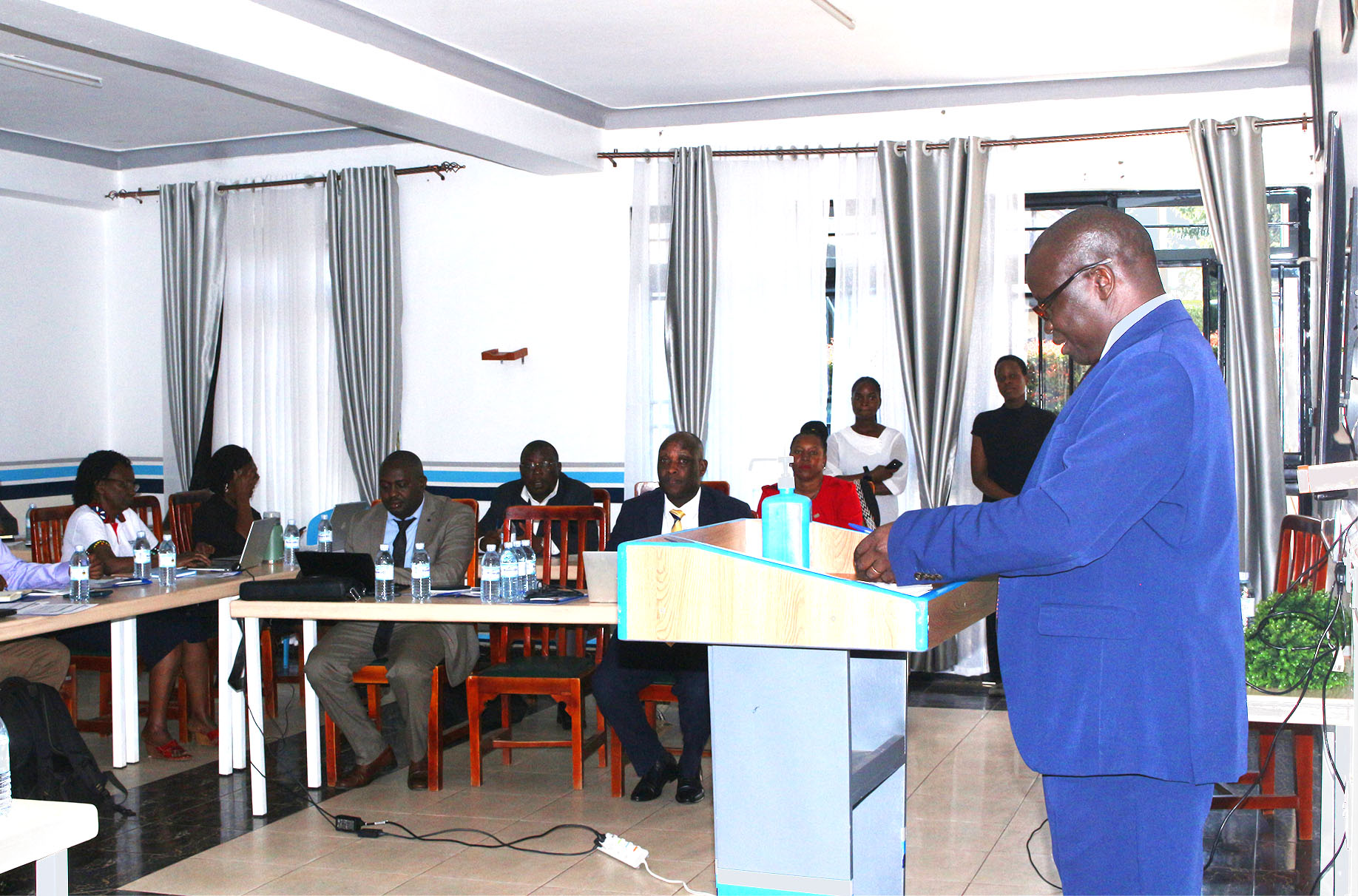
The Dean of the Faculty of Health Sciences, Prof. Dan Kibuule, who hosted the training, welcomed participants and introduced Prof. Balunywa. He highlighted the facilitator’s distinguished academic and professional achievements, including his contributions to entrepreneurship education, leadership development, and service on several corporate and institutional boards.
Delivering the keynote sessions, Prof. Balunywa explored the themes of responsibility, ownership, innovation, and organizational culture. He emphasized that effective leadership is built on strong communication, teamwork, and a shared sense of purpose.
Comparing organizations to successful football teams, he explained that every member has a role to play in achieving institutional goals. Leaders, he noted, must inspire others, communicate effectively, think differently, and foster innovation.
He further encouraged participants to cultivate emotional intelligence and take ownership of their responsibilities, stressing that leadership is not defined by position alone but by the ability to influence positive change and motivate others toward a common goal.
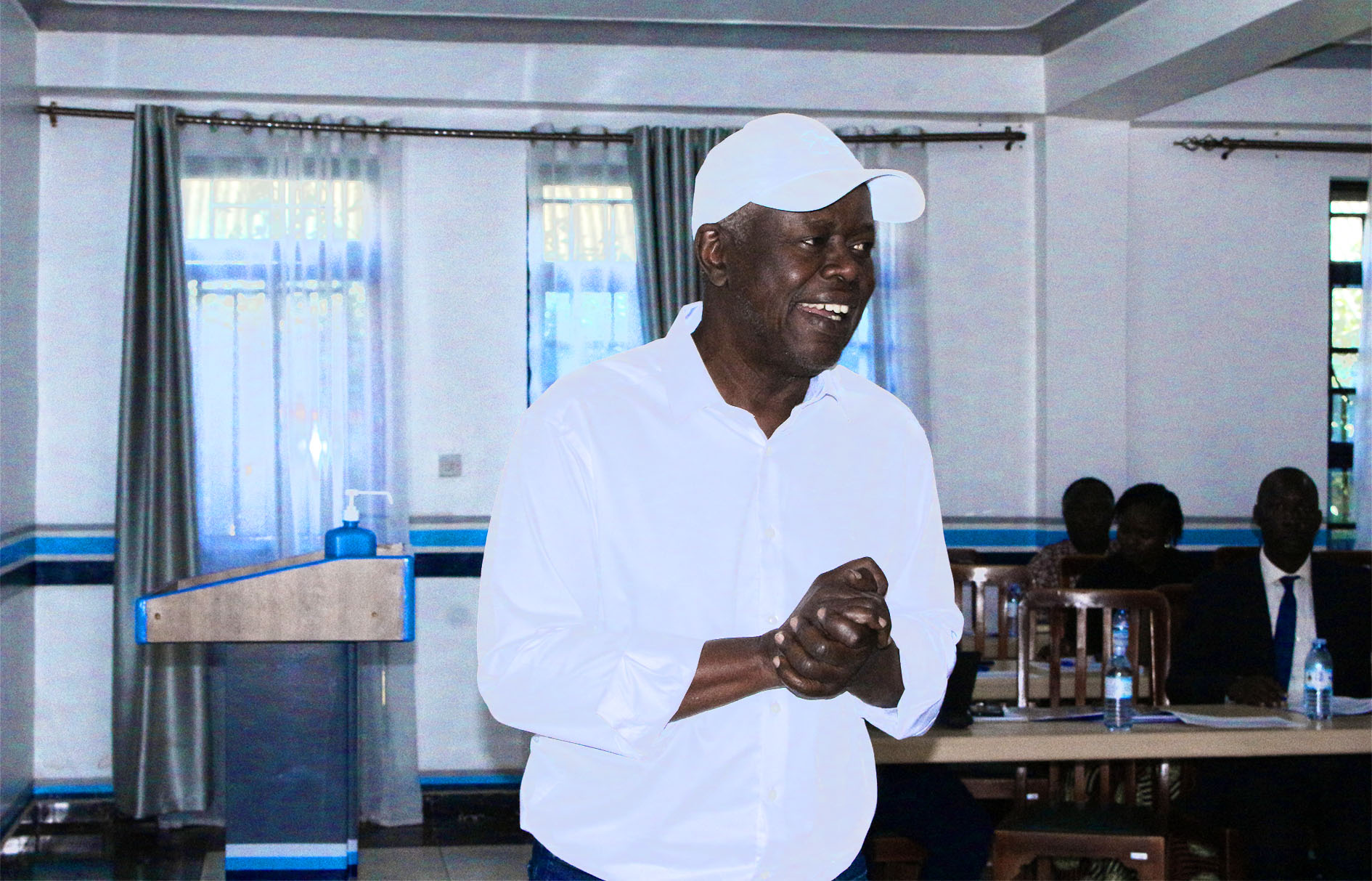
sessions
A significant part of the training focused on leading change in an era shaped by rapid technological advancement. Speaking on innovation and transformation, Prof. Balunywa challenged participants to embrace emerging technologies, including Artificial Intelligence (AI), and adapt to new ways of working.
Quoting the familiar saying, “If you cannot change, change will change you,” he urged leaders to remain open to new ideas and innovations. He also highlighted the growing importance of digital platforms such as podcasts for knowledge sharing and professional engagement, drawing from his own experience of producing more than 1,000 podcast episodes.
Prof. Balunywa encouraged leaders to champion change in products, services, processes, and people while creating organizational structures that support innovation and continuous improvement. He emphasized that institutions must remain responsive to technological developments if they are to remain relevant and competitive.
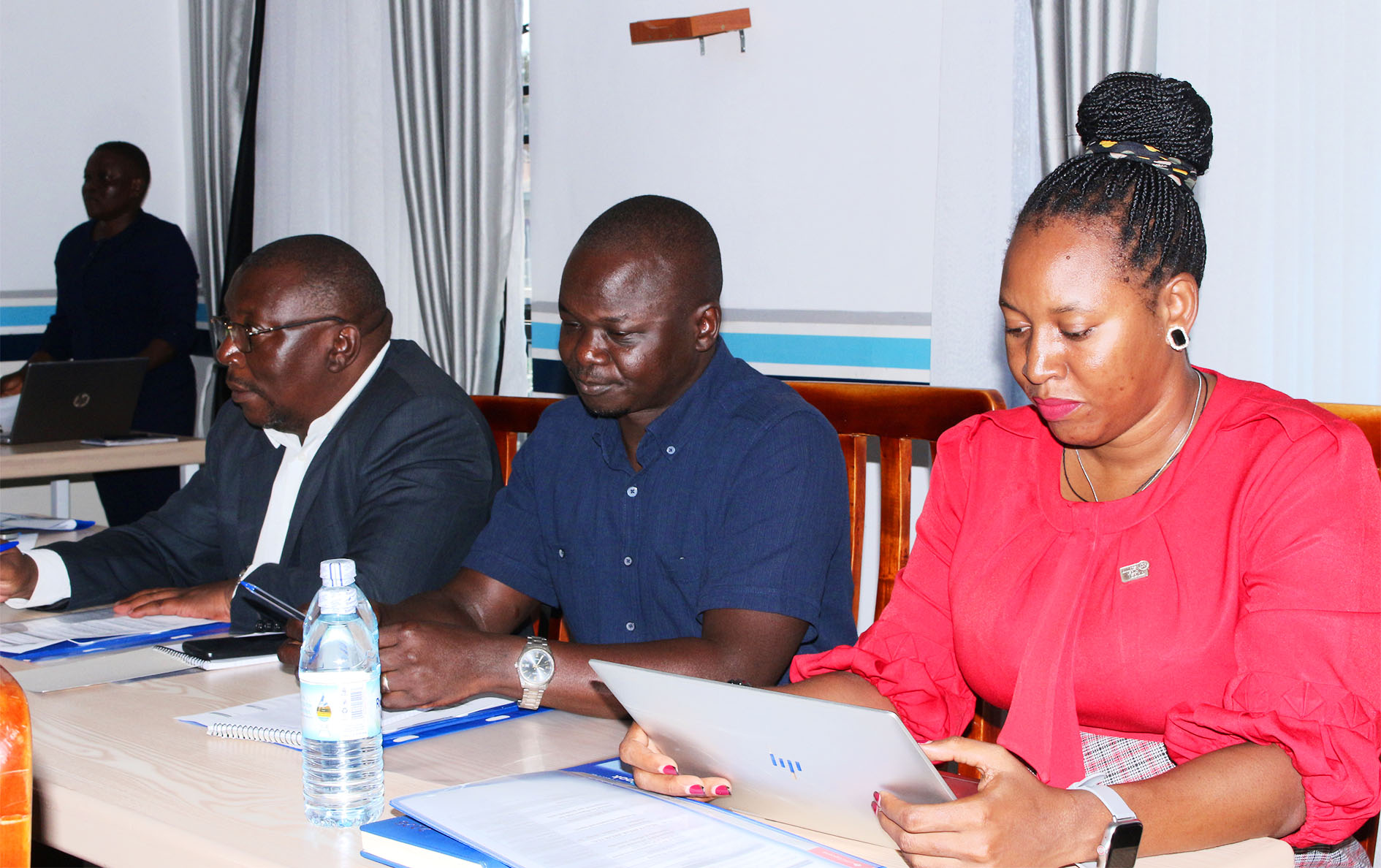
Another session examined workplace dynamics and interpersonal relationships within organizations. Participants discussed the impact of organizational culture, personality differences, and professional conduct on institutional performance. Prof. Balunywa encouraged leaders to foster healthy work environments built on trust, respect, collaboration, and accountability.
Drawing lessons from global success stories, he cited the example of Toyota’s rise through continuous improvement and benchmarking. He noted that institutions can achieve excellence by learning from best practices elsewhere, adapting innovations to their own context, and consistently seeking opportunities for improvement.
The training also featured a presentation by Dr. Godliver Owomugisha, Head of the Artificial Intelligence Department, who introduced participants to AI tools that can support management, research, teaching, and administrative tasks.
Dr. Owomugisha demonstrated how emerging technologies are simplifying processes such as meeting management, information organization, research, data analysis, and content summarization. She emphasized that AI is intended to complement rather than replace human effort and highlighted plans to strengthen AI literacy through dedicated training and learning modules.
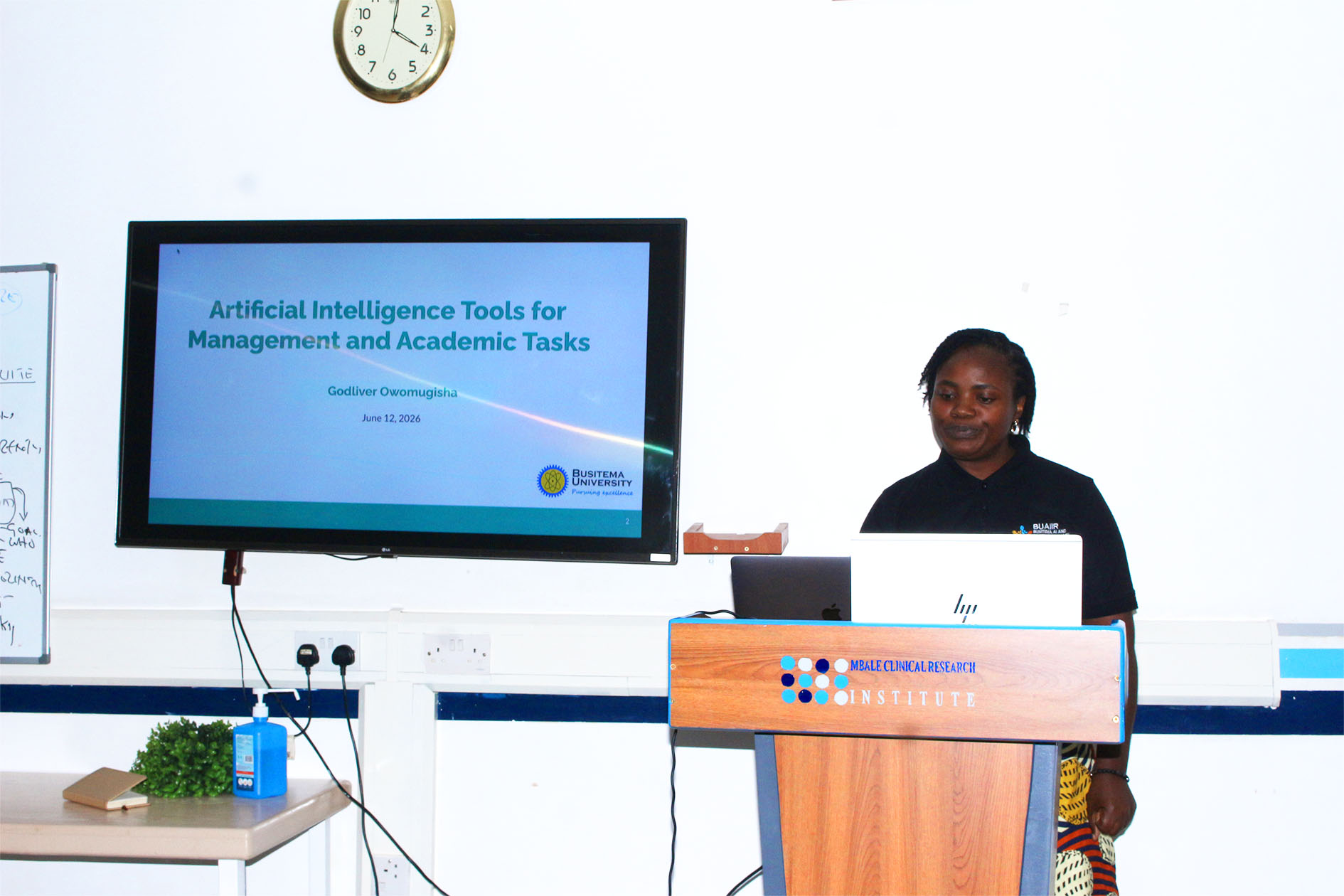
management and academic tasks
Drawing on her academic experience abroad, she noted that technology continues to transform how teaching, learning, and professional interactions take place. She also highlighted the role of tools such as QR codes in streamlining communication and administrative processes.
At the same time, Dr. Owomugisha acknowledged existing challenges associated with AI, including bias in African language representation and the potential for misinformation. Her presentation sparked lively discussions among participants on the ethical and practical implications of AI in higher education, including concerns about authenticity in administrative work and student assessment.
In response to participants’ questions, she emphasized the need for continuous learning and indicated that additional sessions would be organized to address specific AI-related concerns and applications in greater detail.
The workshop concluded with reflections from participants and closing remarks delivered by Dr. Fulgensia Mbabazi, Deputy Director of the Directorate of Graduate Studies, Research and Innovation, and Prof. Pakoyo on behalf of the University leadership. They reaffirmed the institution’s commitment to continuous staff development and leadership excellence.
- 65 views