Study Visit to Uganda 2025 – A Four-Day Story of Collaboration, Learning, and Innovation
The 2025 study visit to Uganda brought together METODIC project partners for a vibrant four-day program filled with training, field visits, and insightful discussions. From academic workshops to hands-on industry experiences, the visit offered a rich look into how universities and textile enterprises in Uganda are shaping the future of sustainable innovation.
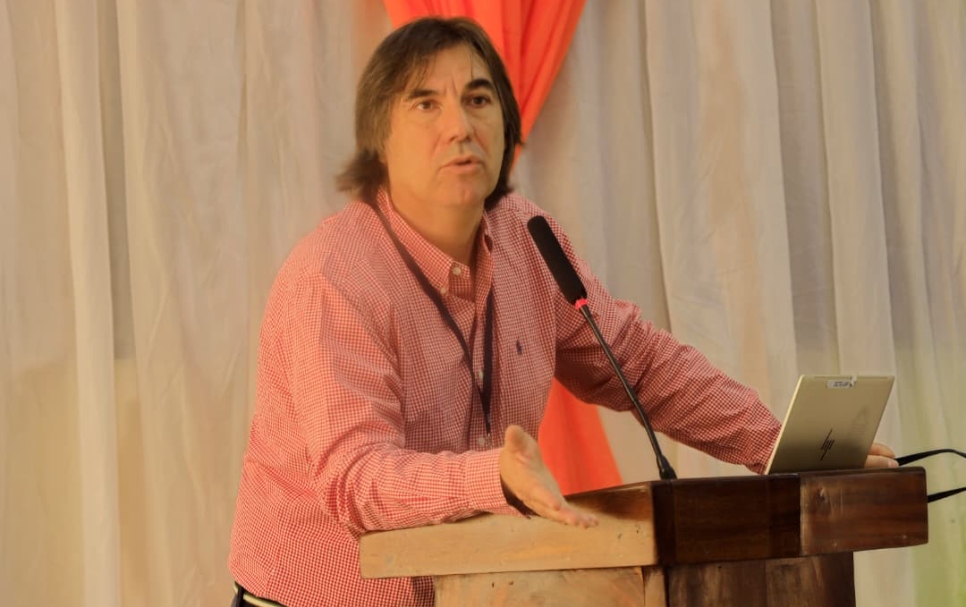
The visit opened with a training session led by Prof. George from the University of West Attica, who shared inspiring examples of how universities and businesses can work together to drive innovation. His presentation also offered a clear walkthrough of the METODIC work packages, helping partners reconnect their institutional priorities with the project’s wider goals.
A dedicated session on strengthening academia–industry collaboration followed, guided by experts from IDEC SA. Partners explored how universities can establish and sustain collaboration offices, the kinds of services these offices can provide, and how they can create mutually beneficial partnerships with industry. Each institution presented its own ideas, challenges, and opportunities, leading to an open, practical exchange of experiences tailored to the Sub-Saharan African context.
In the afternoon, the 3rd Project Meeting was held to review progress under work packages T3.2 and T4.3, followed by a relaxed dinner at Forest Cottages in Bukoto.
Sustainability in Focus: Green Textile Practices
The second day turned attention to the textile industry’s sustainability challenges. IDEC SA facilitated interactive discussions that brought together academic staff and industry practitioners. Mixed working groups tackled topics such as:
- Integrating sustainability into textile education
- Encouraging workers to adopt environmentally responsible behaviors
- Building a workplace culture that supports green transitions
-
Bridging gaps between academic training and industry needs
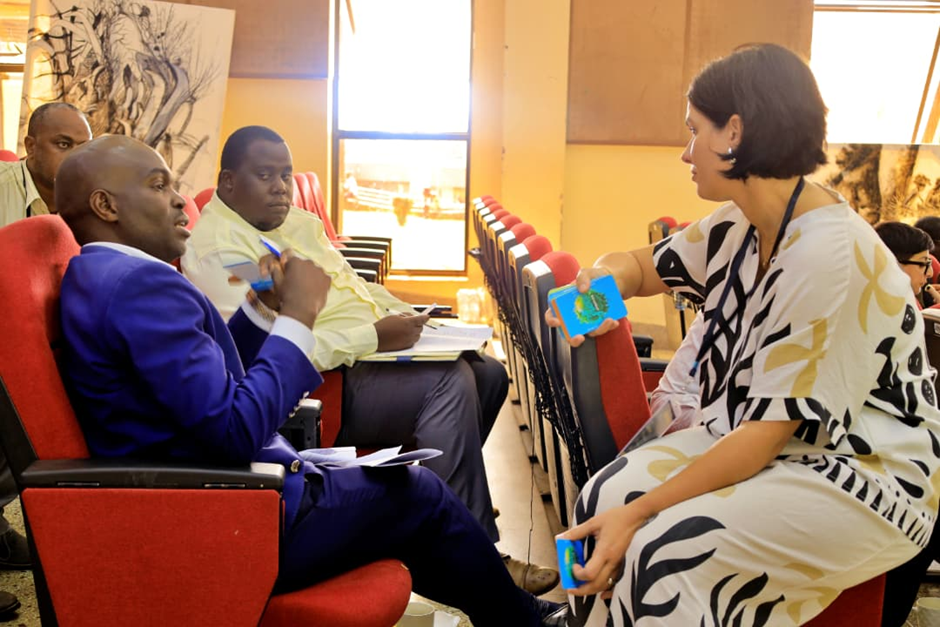
Participants engage in group work during the training session.
The conversations revealed how both sectors can work together to accelerate sustainable transformation. In the afternoon, partners held consultations on improving mobility schemes for staff and students under T4.3. The day later wound down with an informal sightseeing tour around Kampala.
Learning from Practice: Visits to TEXFAD and Fine Spinners
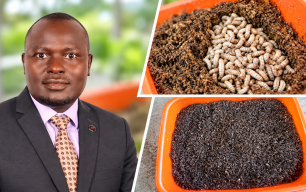
The third day was dedicated to field visits, beginning with a tour of TEXFAD Ltd, a company known for its pioneering work with banana fiber. Partners followed the production process from the preparation of raw banana pseudostems to finished products. Discussions highlighted the enormous potential of agro-waste as a source of sustainable textile materials and how Uganda is positioning itself as a leader in natural fiber innovation.
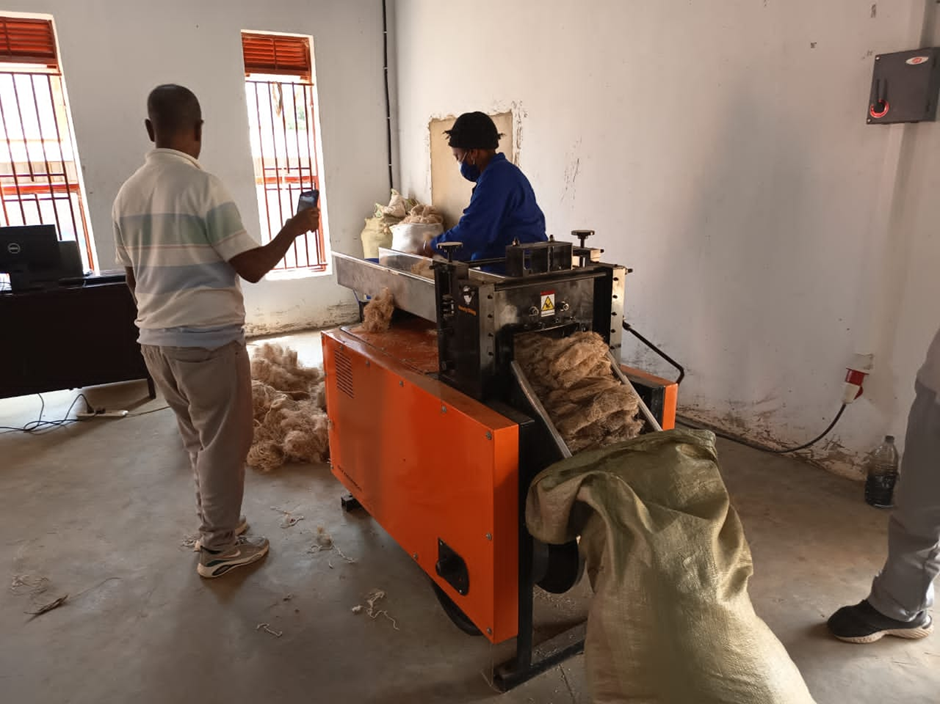
The group then proceeded to Fine Spinners in Bugolobi, one of East Africa’s most advanced textile factories. Here, partners observed large-scale spinning, knitting, dyeing, and finishing operations, all run under strict international standards. Engineers and technicians guided the tour, sharing insights on production processes, sustainability practices, and the company’s export-focused strategies.
The day concluded in high spirits with cultural performances and dinner at the Ndere Cultural Centre.
Research and Capacity Building: UIRI and Busitema University
The final day blended research exposure with academic engagement. Before heading to Busitema University, the team visited the Uganda Industrial Research Institute (UIRI), where they were introduced to ongoing work on fiber incubation, alternative plant-based fibers, and new technologies for textile material development. The visit broadened the consortium’s view of Uganda’s growing textile research landscape and opened doors for potential collaboration.
A member of the IDEC SA team makes a presentation at Busitema University
At Busitema University, the delegation received a warm welcome from the administration. Discussions explored opportunities for deeper cooperation through the METODIC project, including student training, upgrading laboratories, and strengthening innovation hubs. IDEC SA led another training session on establishing collaboration offices (T3.2), followed by a consultation round on mobility schemes (T4.3) after lunch.
A Visit Marked by Learning, Partnership, and New Possibilities
The four days in Uganda offered much more than meetings; they provided shared experiences, strengthened partnerships, and a clearer vision of how academia and industry can work together to support sustainable textile innovation. The insights gained from both institutions and industry players are set to play an important role in shaping the next phases of the METODIC project.
- 176 views