Prof. Waako Calls for Results and Greater Institutional Impact during a Top Management Retreat in Mbale
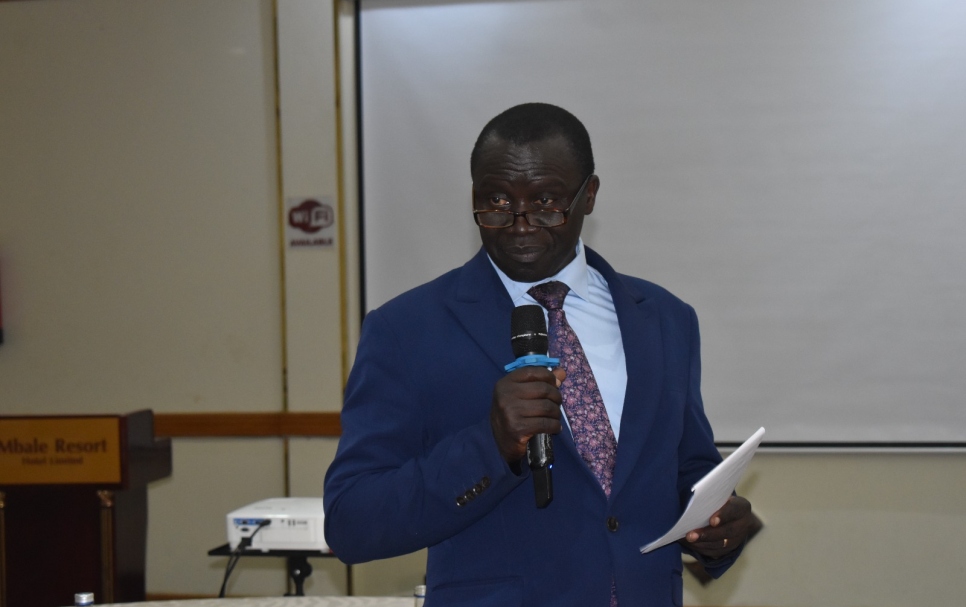
Busitema University Vice Chancellor, Professor Paul Waako, has challenged the University’s top managers to turn plans, resources and ideas into measurable results that create visible impact within the institution, surrounding communities, and the country.
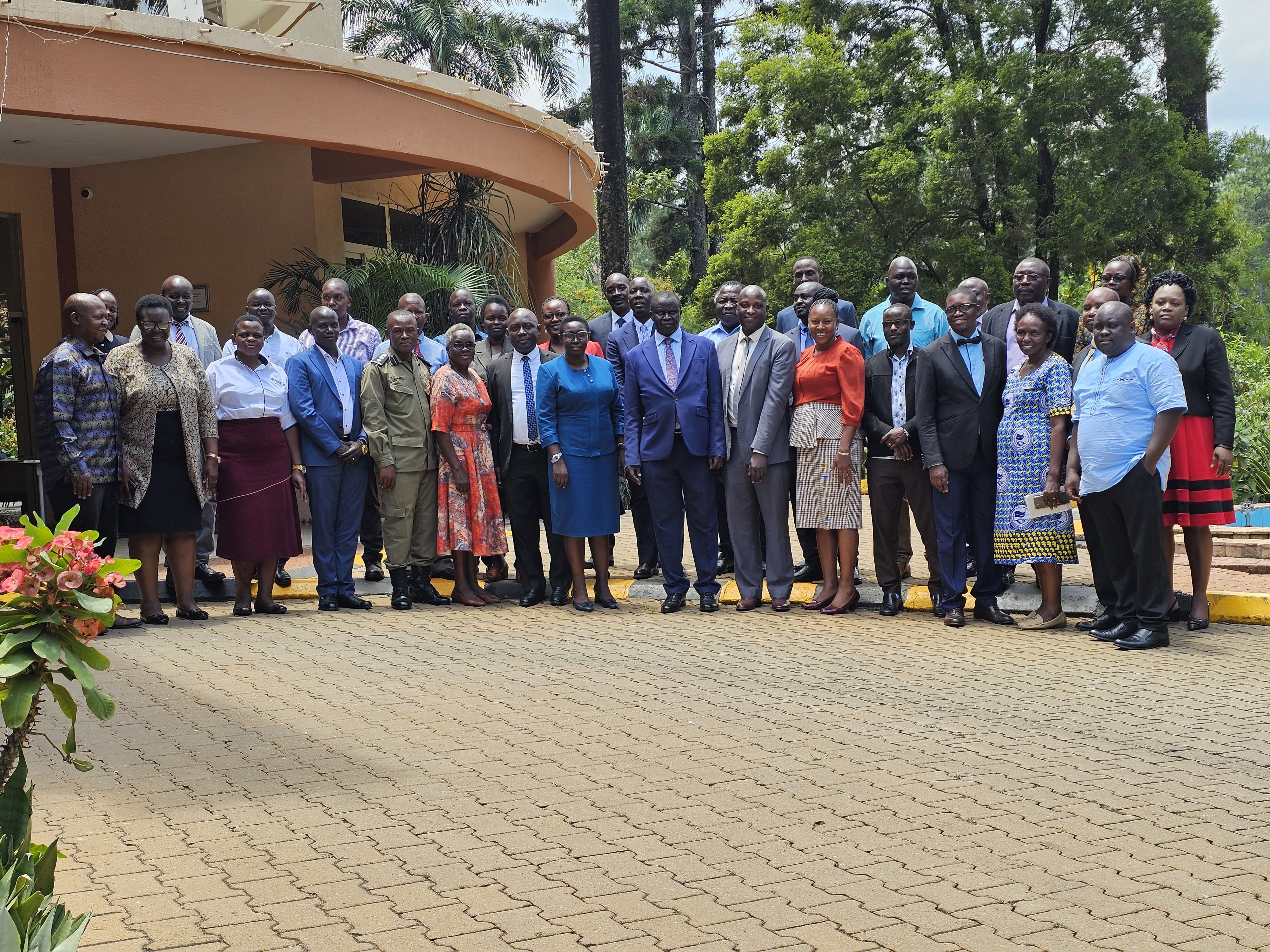
Professor Waako made the call on 2 September 2026 as the University’s two-day Top Management Retreat opened at Mbale Resort Hotel. The retreat brings together senior managers to reflect on performance management, accountability, organisational change and the University’s strategic direction as it continues to grow.
Setting the tone for the discussions, the Vice Chancellor urged managers to focus on delivery, noting that public institutions are increasingly assessed not only by the activities they undertake but also by the outputs and outcomes they can demonstrate.
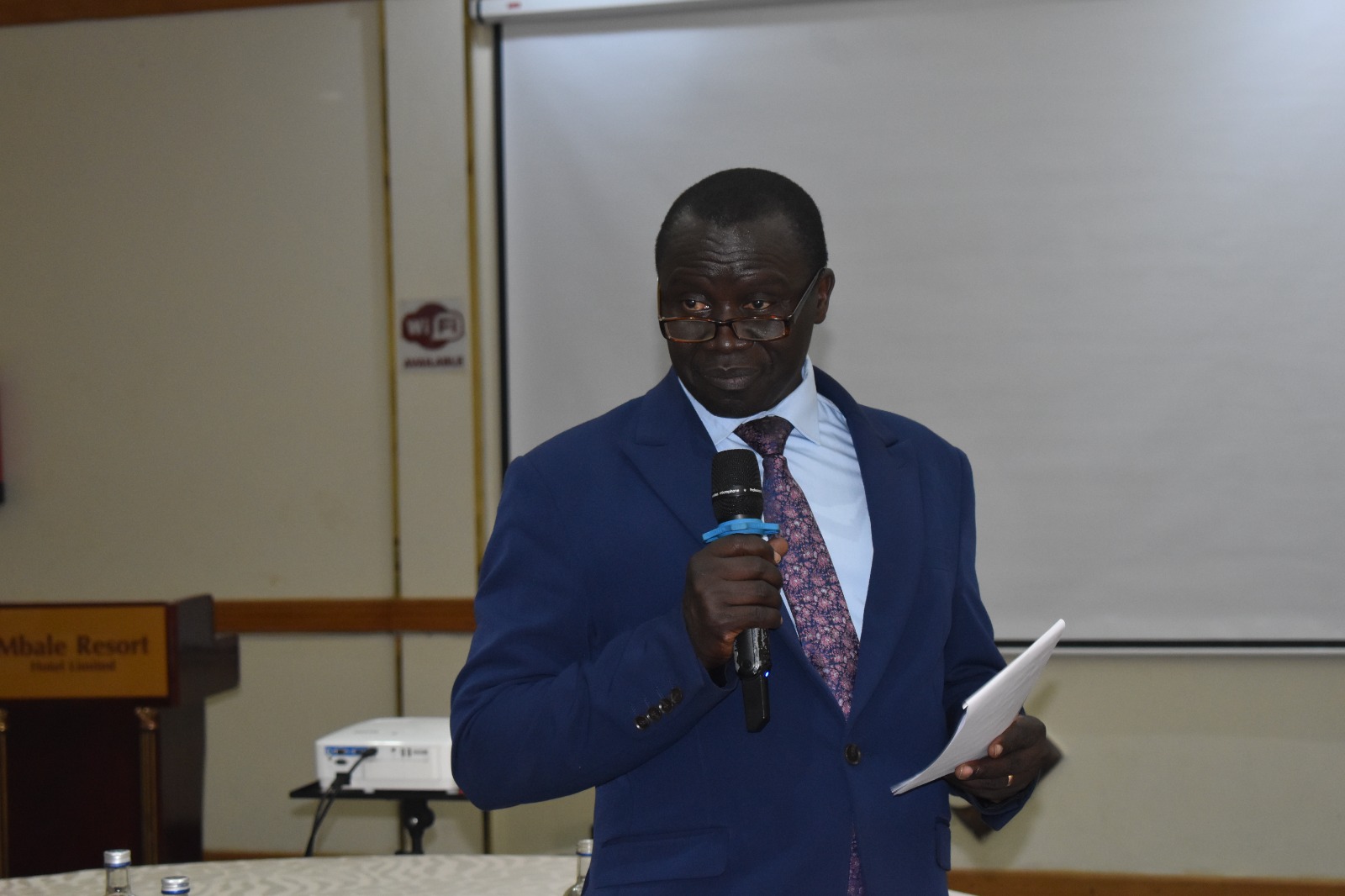
He pointed to the introduction of biometric machines and reforms in staff appraisal as part of efforts to strengthen performance management, but emphasised that the bigger question is what individual staff, units and managers actually deliver.
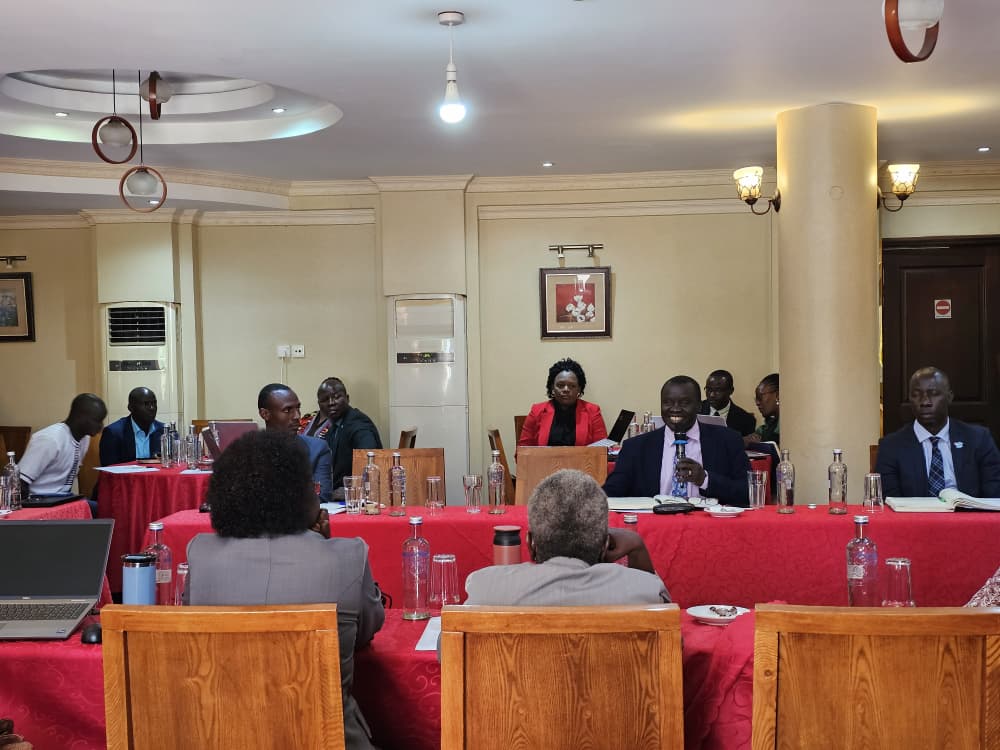
The need for measurable performance was reinforced by a presentation from Chief Planner Paddy Namurebire, which showed that of 204 budget outputs assessed, 191 had quantifiable targets while 13 could not be quantified. The figures highlighted the importance of setting clear, measurable targets that can be tracked to completion.
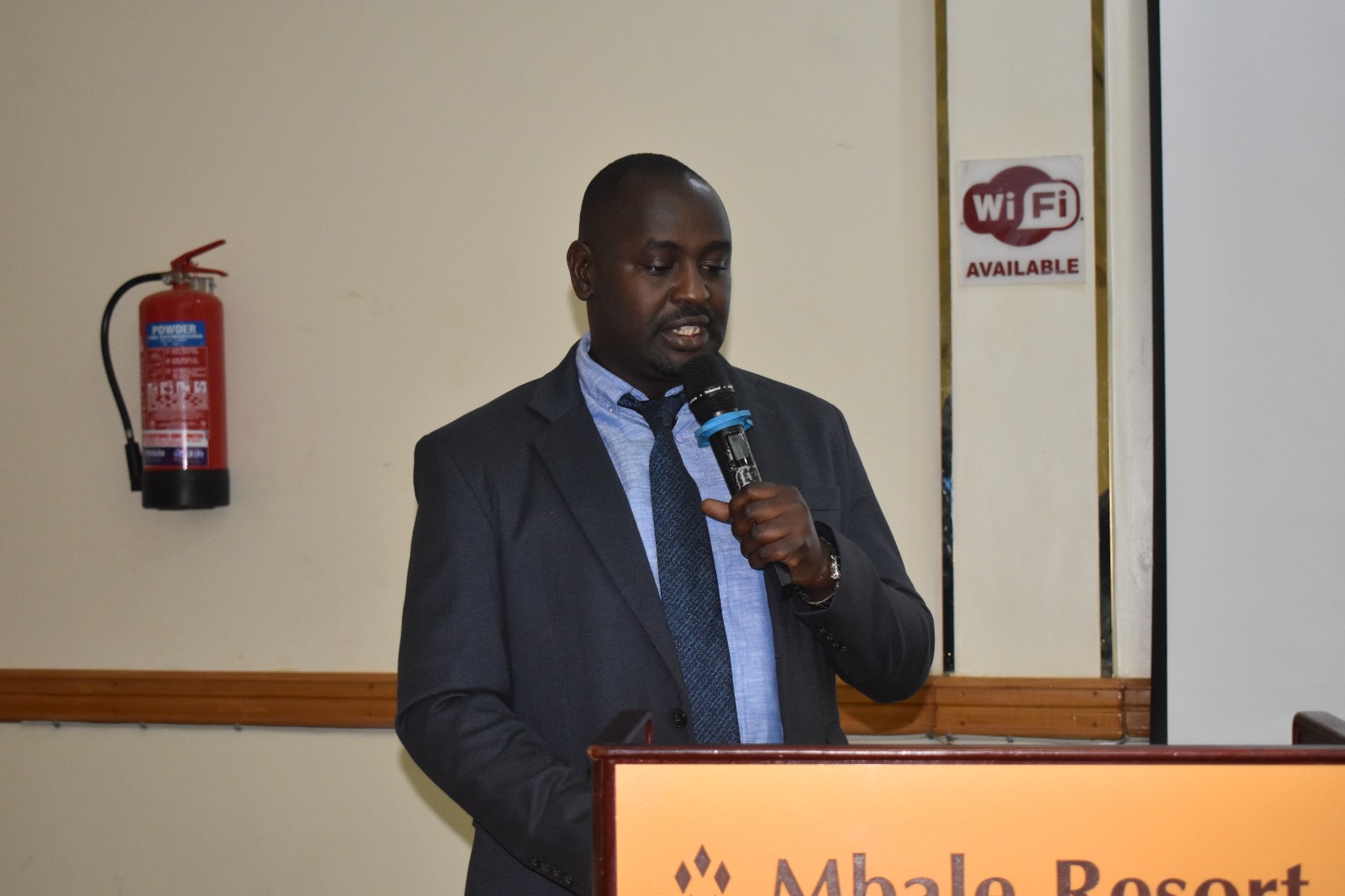
Prof. Waako also challenged management to ensure that planning keeps pace with the University’s growth. He cited a deficit of about 3,000 chairs and pressure on accommodation, stressing the need to anticipate requirements for classrooms, furniture, beds, roads, internet connectivity and other infrastructure as student enrolment increases.
At Nagongera Campus, he highlighted planned improvements to the campus gate and road network, describing the gate as part of “branding infrastructure” intended to strengthen a recognisable Busitema University identity across its campuses.
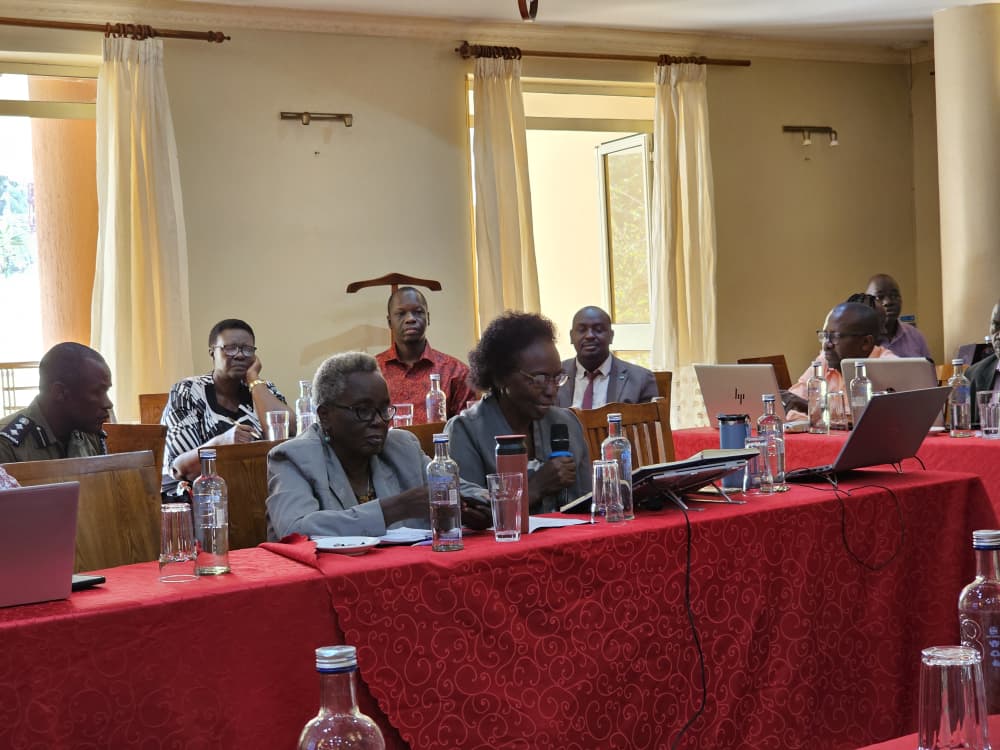
The Vice Chancellor further challenged managers to improve the University’s visibility and competitiveness, including its position in university rankings and its digital presence. He questioned whether the University’s current ranking adequately reflects its growing academic capacity and called for deliberate action to improve its performance and visibility.
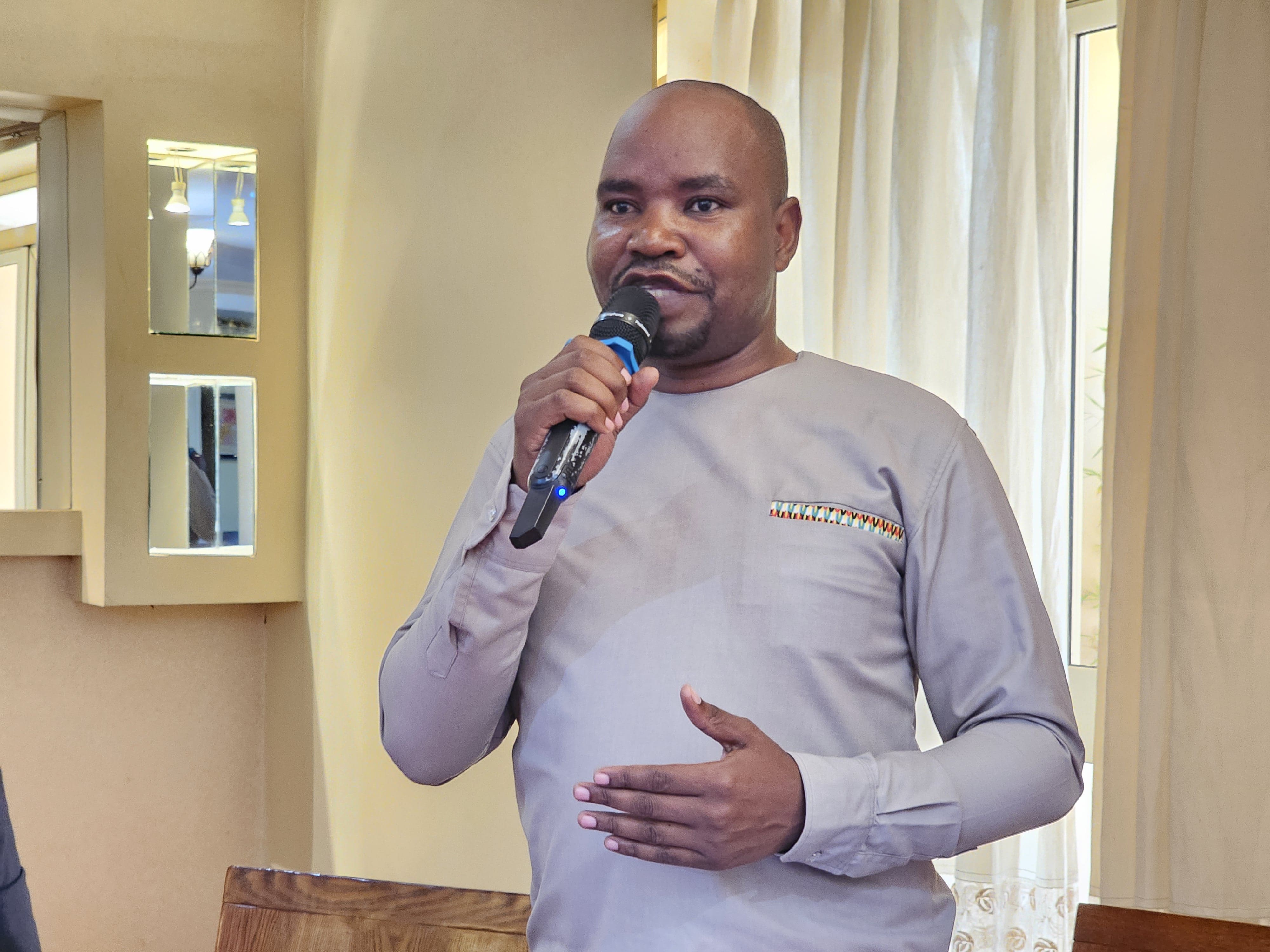
Research and innovation emerged as another major area of focus. Prof. Waako urged the University to move beyond displaying innovations at exhibitions and instead develop promising products to the point where they can reach the market, create value for consumers and contribute to Uganda’s economic transformation.
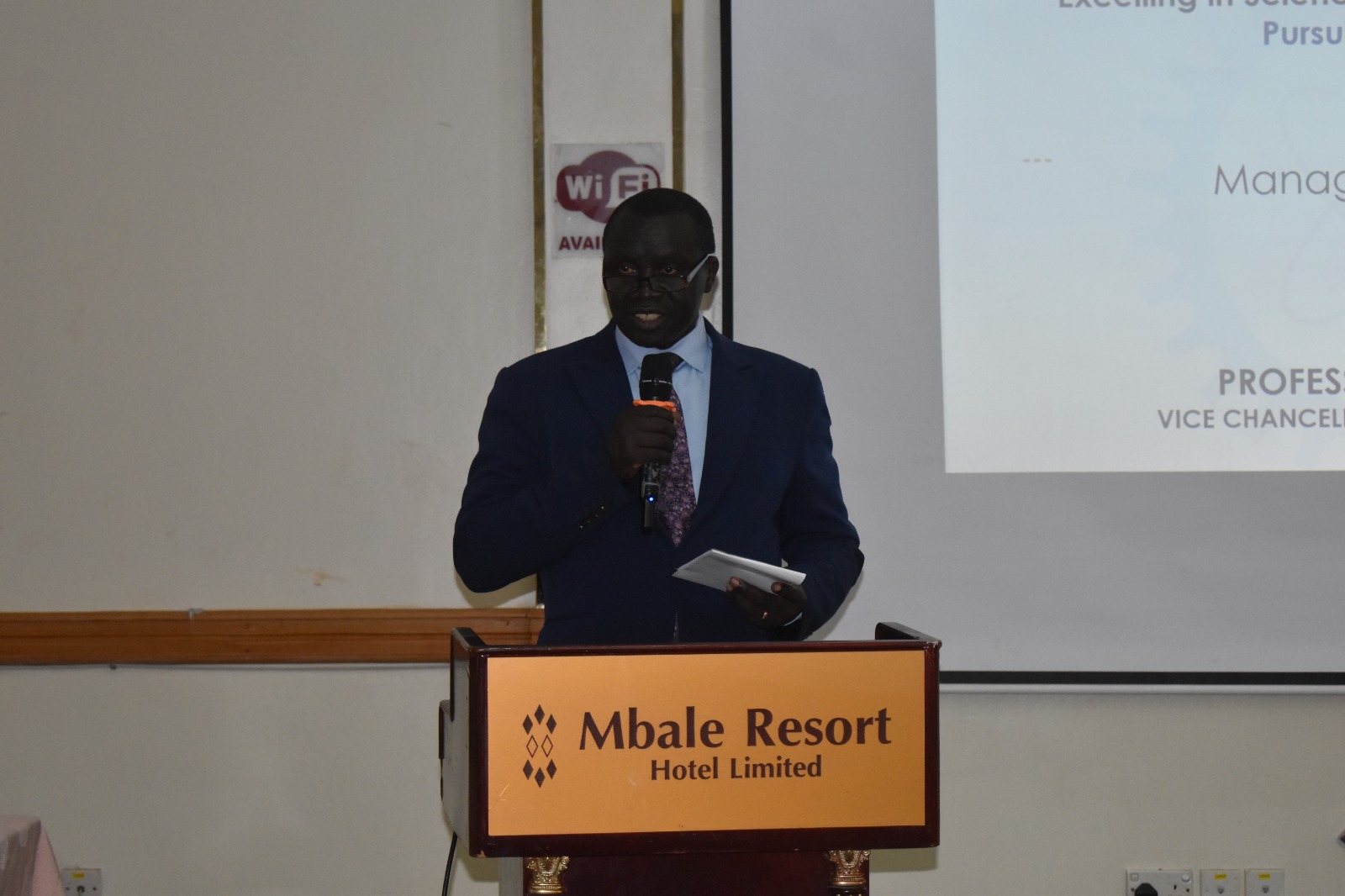
He also called for greater attention to competency-based education, modular academic programmes and the development of courses that can be delivered fully online, while emphasising the strategic importance of practical and technical training, including Technical and Vocational Education and Training.
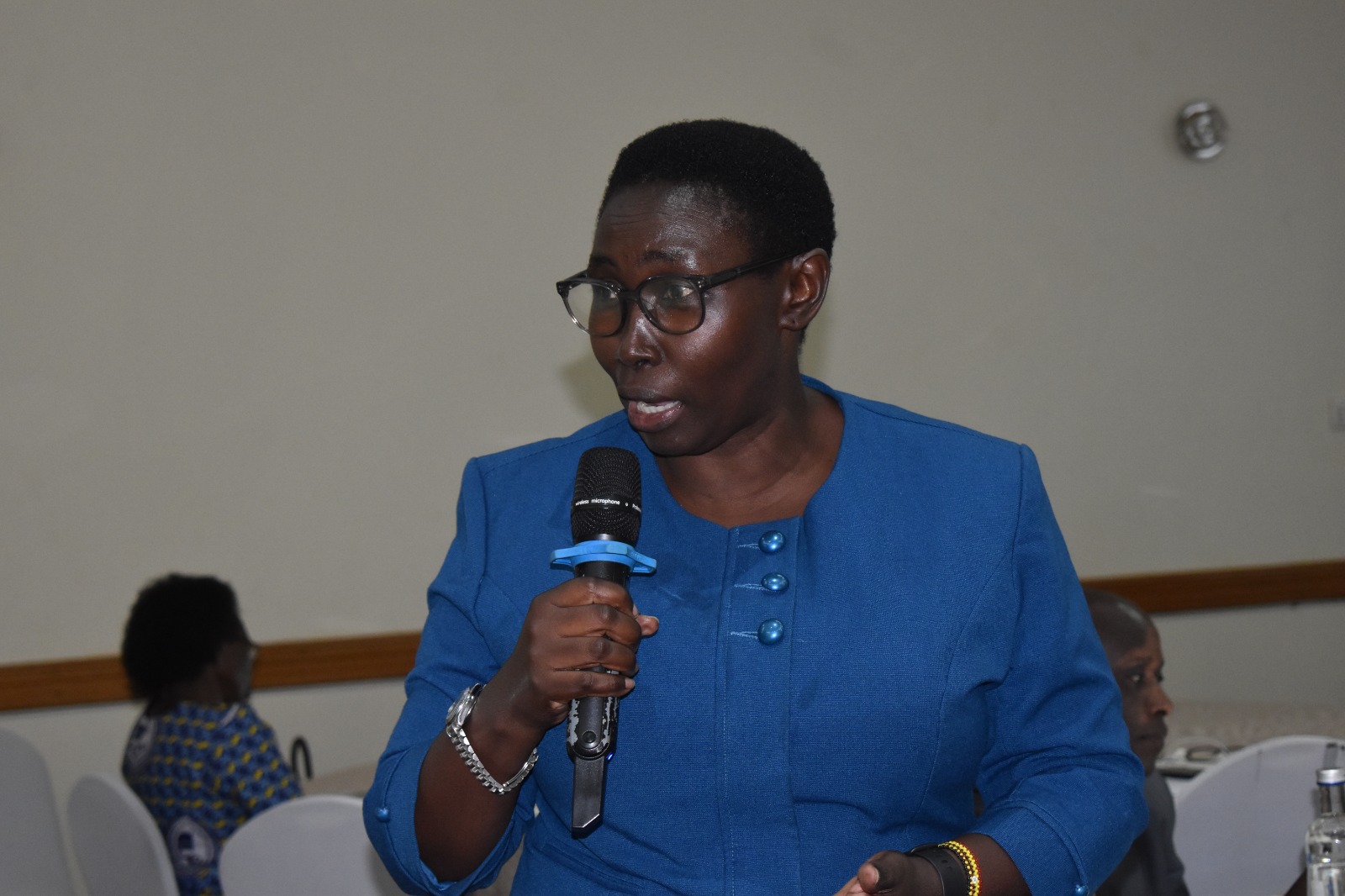
The retreat also addressed institutional inclusion and responsibility. Prof. Waako noted that some facilities inherited by the University were not designed with adequate access for persons with disabilities and stressed that accessibility must be considered as infrastructure is upgraded.
He further challenged the University to measure its accountability not only through financial and administrative processes but also through its social and economic impact on communities surrounding its campuses.
The discussions also highlighted the importance of strengthening internal systems, including documentation of departmental processes, clear organisational structures, regular preparation of key University statistics and stronger support for staff and students.
On management of grants and other off-budget resources, Deputy Vice Chancellor Finance and Administration, Assoc. Professor Pakoyo Fadhiru Kamba, reminded managers that although externally funded projects may be implemented by principal investigators and project teams, the funding is ultimately awarded to the institution. The University therefore bears responsibility for the success or failure of such projects and may face financial, legal and reputational consequences where they are poorly managed.
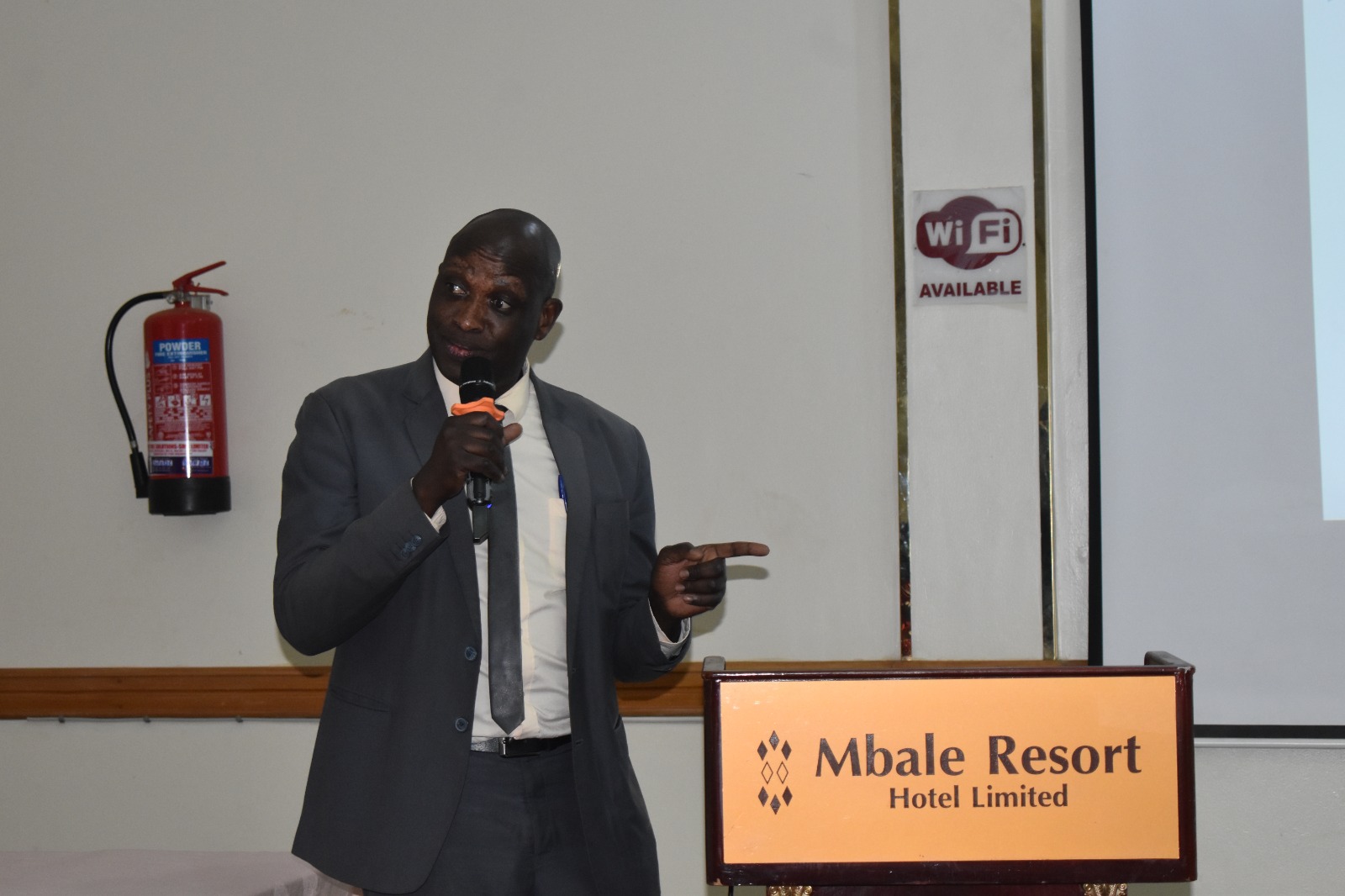
Prof. Kamba emphasised the need for relevant University offices to have access to project proposals, budgets, grant agreements and other documentation required to effectively oversee externally funded activities. He stressed that accountability should ultimately demonstrate that the outputs for which resources were provided have been delivered.
As the retreat continues, the discussions are placing a clear challenge before Busitema University’s leadership to ensure that planning, investment and institutional effort translate into measurable results and tangible impact.
- 155 views