Busitema University Reviews Funding Priorities Ahead of FY 2027/2028 Budget
23 October 2026
Busitema University has reviewed funding priorities for the 2027/2028 financial year, with faculties and departments presenting proposals covering infrastructure improvements, academic programmes, student welfare and operational requirements.
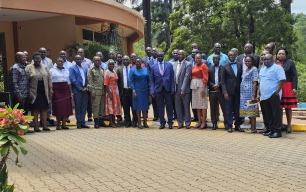
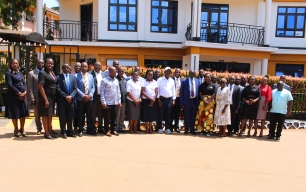
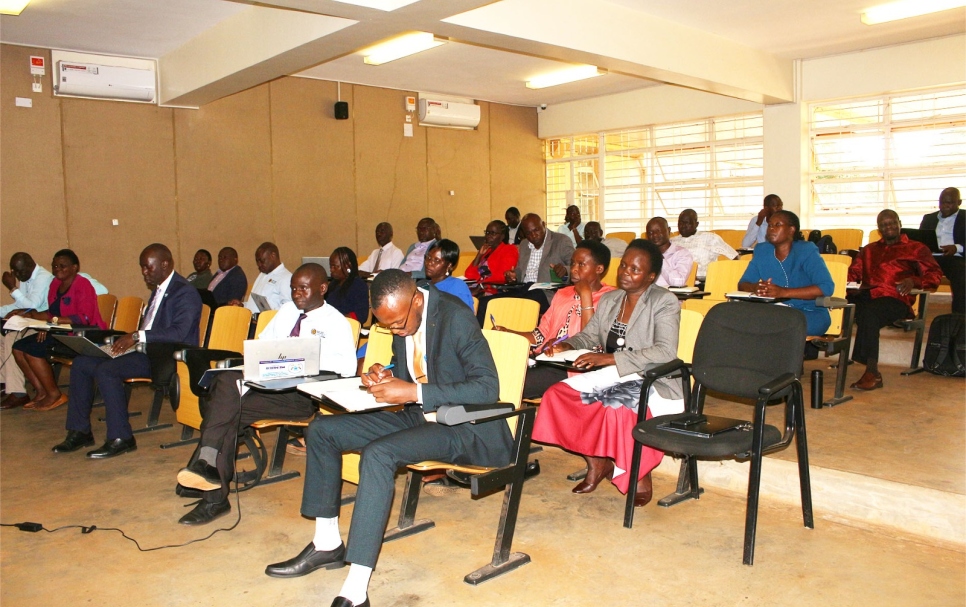
The proposals were discussed during a Budget Conference held on Friday, 23 October 2026, at the Faculty of Engineering and Technology Conference Hall, Busitema Campus. Organised by the Directorate of Planning and Development, the meeting brought together University Management, Faculty Deans, Heads of Department and staff to review workplans and identify activities requiring funding.
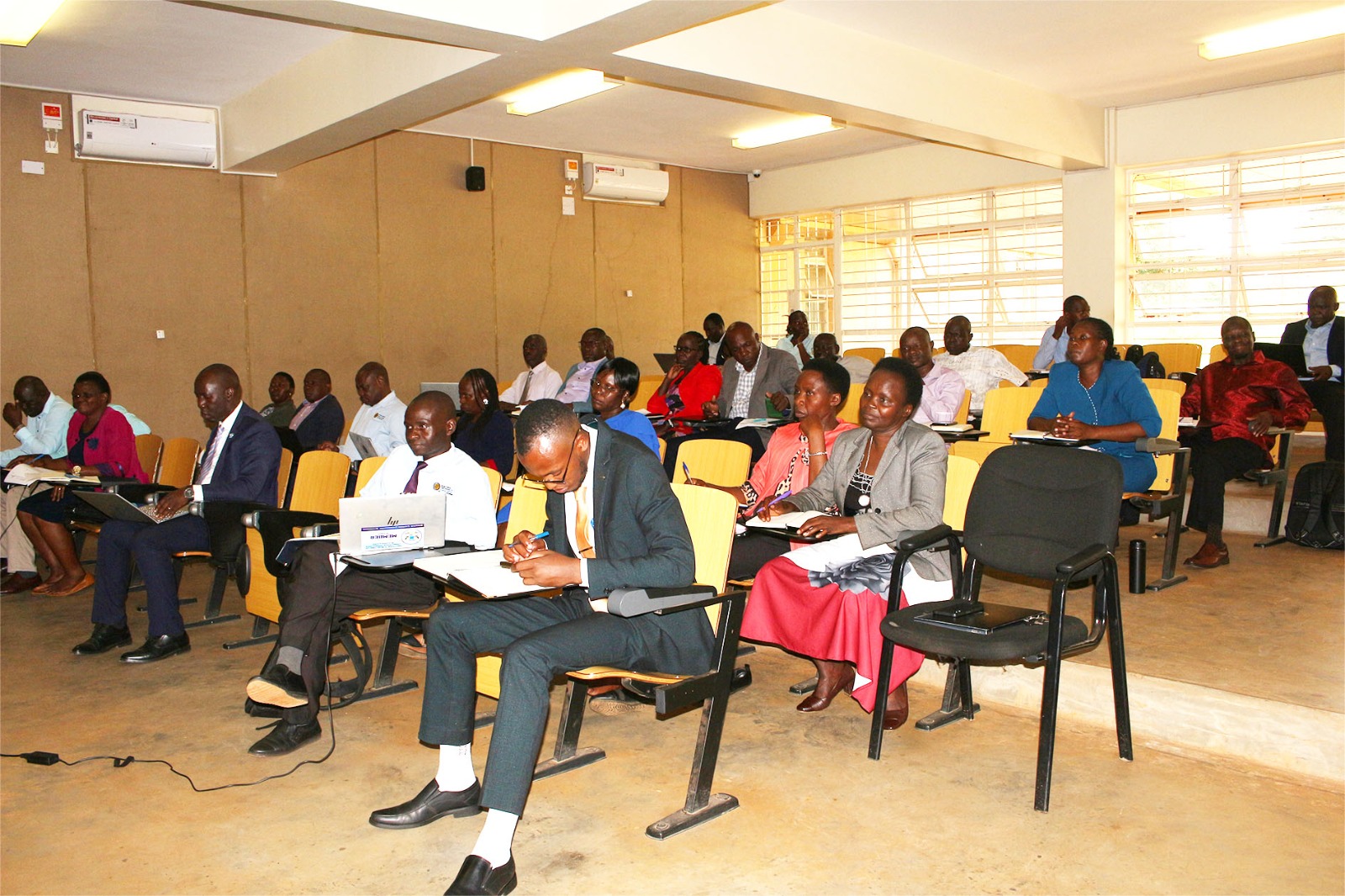
The conference followed an earlier budget retreat at Wash and Wills Hotel in Mbale, where University leaders called for spending plans aligned with institutional priorities and measurable results. The follow-up engagement provided an opportunity to examine proposals from individual units and consider their implications for the University's next budget.
Discussions covered the University's achievements and strategic direction, the available resource envelope, Indicative Planning Figures (IPFs) and the preparation of the Budget Framework Paper (BFP). Top Managers and Faculty Deans also presented their respective workplans.
Addressing participants, Vice Chancellor Prof. Paul Waako described the conference as a follow-up to the Mbale retreat, intended to refine the University's budget plans ahead of the next financial year.
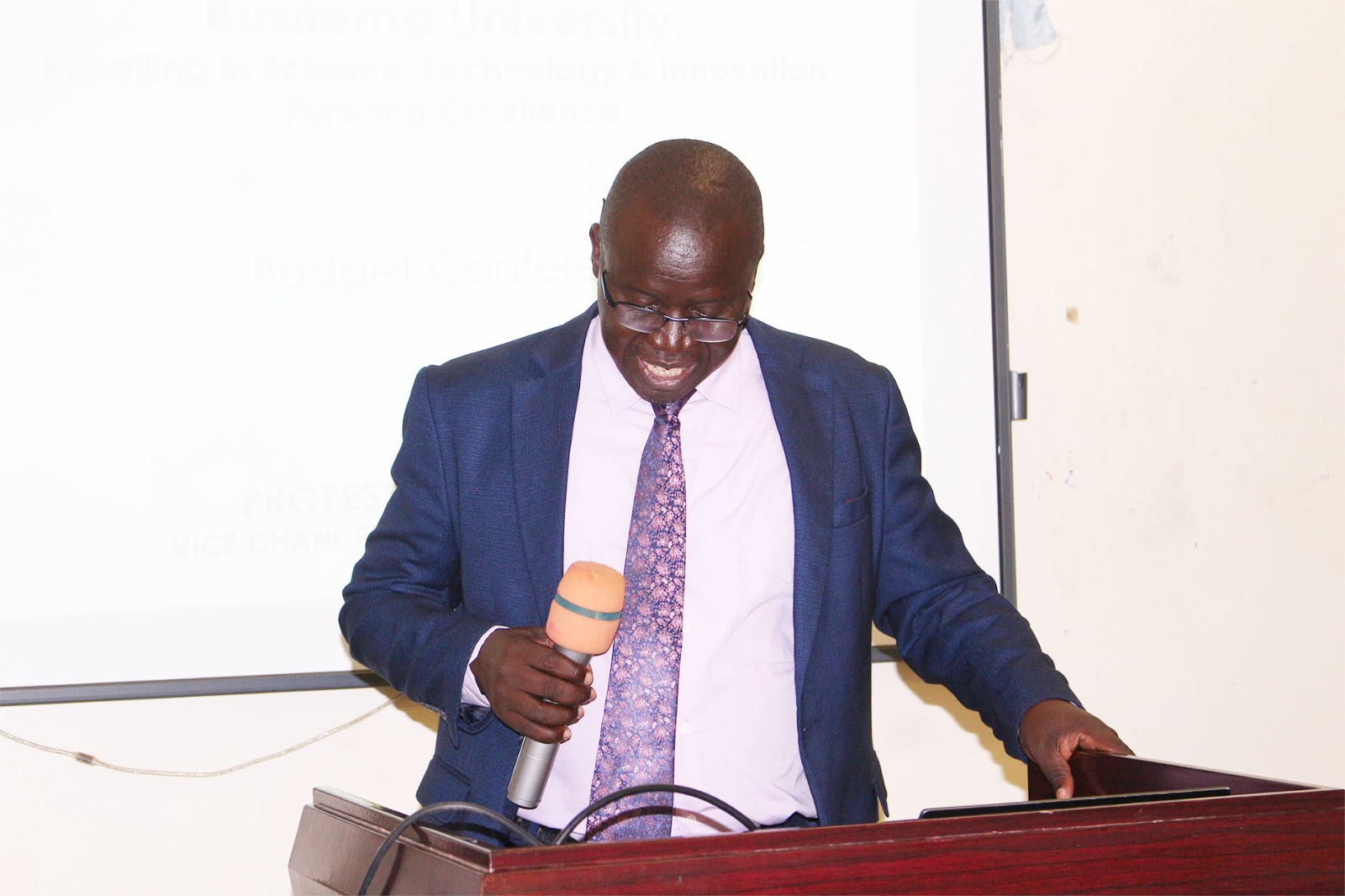
Prof. Waako also congratulated the University on the adoption of the Busitema University Service Delivery Standards, launched during its 17th Graduation Ceremony on 3 October 2026. He described Busitema as the first university in the region to adopt the service delivery framework and urged staff to observe University rules and regulations to strengthen service delivery.
The standards establish expectations for the quality, timeliness and accountability of academic and administrative services across the University. Mr. Paddy Namurebire, Director of Planning and Institutional Development, explained that the conference would help departments review activities that could affect their proposed budgets.
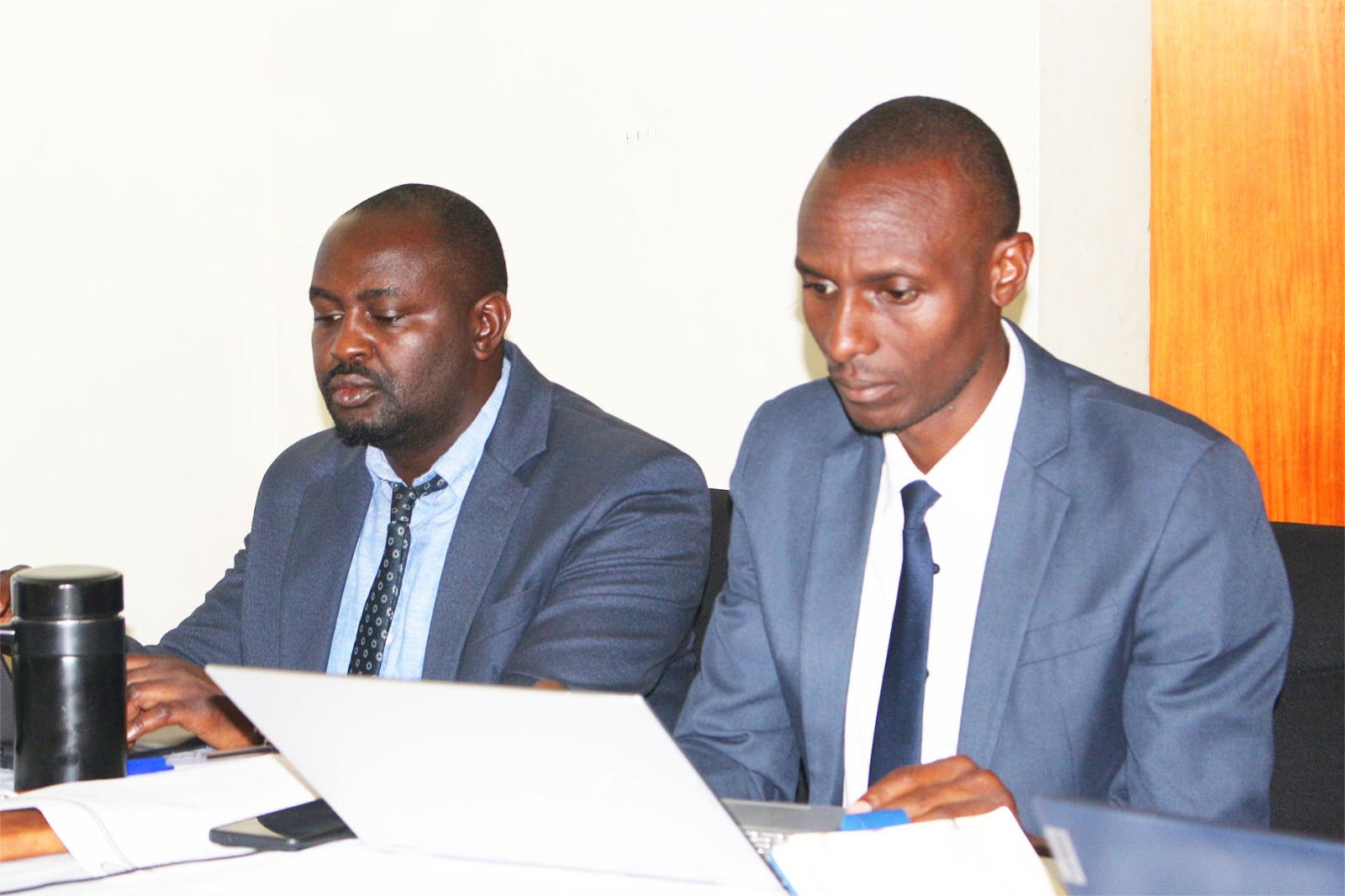
He outlined the stages of the annual planning process and emphasised the need to prioritise funding requests according to their expected outputs. His presentation addressed how departments should plan their activities and allocate resources to areas considered most important. Mr. Namurebire also reminded participants that annual budget submissions were due by 26 October 2026.
University Secretary Dr. Gregory Tweheyo emphasised the importance of building agreement among University stakeholders on planning priorities and ensuring that expenditure is linked to measurable performance. He discussed SMART performance planning and explained how institutional resources should translate into activities, outputs, outcomes and long-term impact.
Using examples from University operations, Dr. Tweheyo referred to documents and reports as planning inputs, teaching and stationery purchases as activities, and publications and graduates as outputs. He also discussed the commercialisation of prototypes, graduate employment and improvements in household livelihoods as examples of results considered within the planning model.
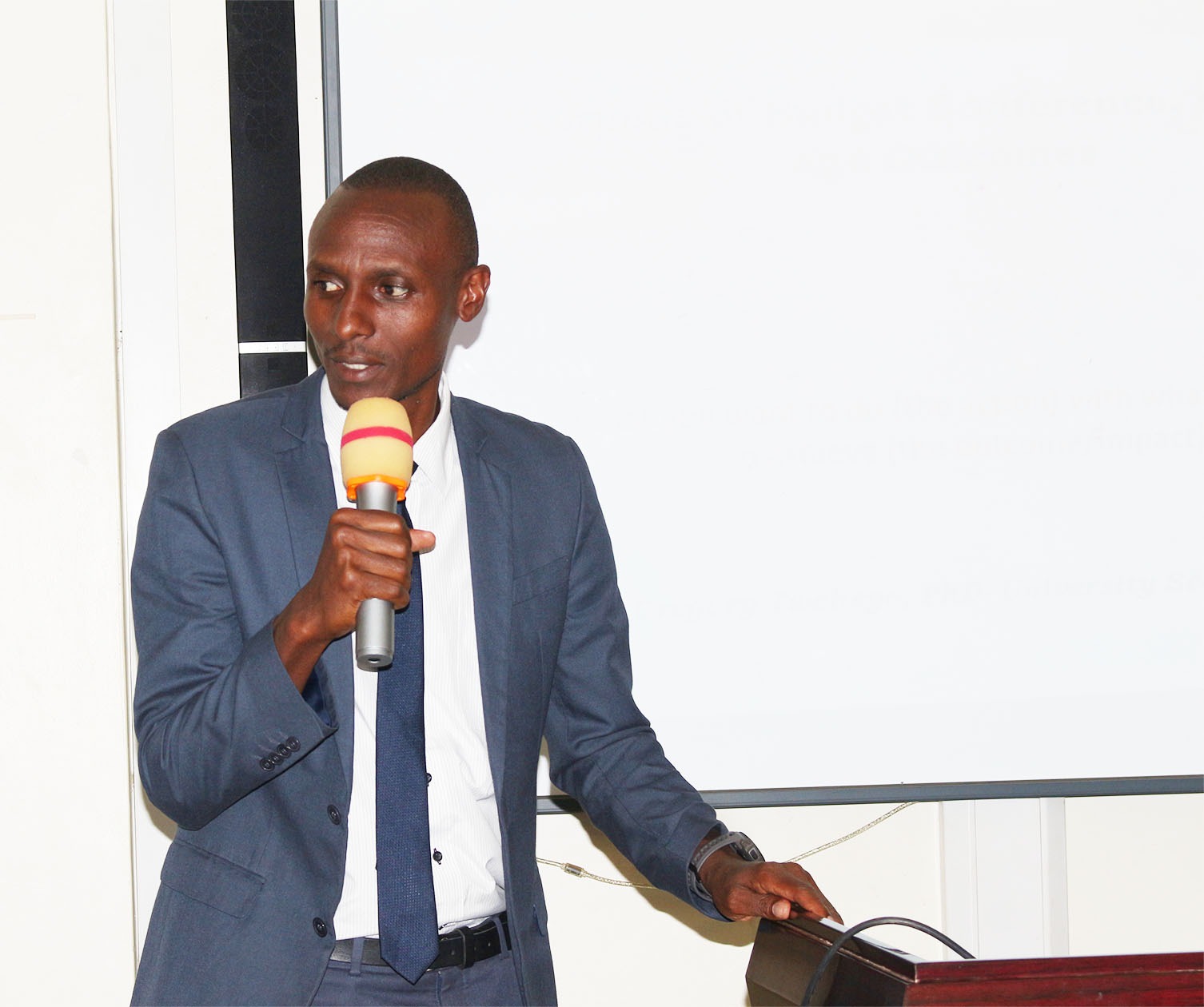
His presentation further examined the relationship between time, cost and quality, highlighting the need to balance these factors when implementing planned activities.
The departmental budget proposals brought attention to a wide range of academic and operational needs.
Academic priorities included the adoption of Technical and Vocational Education and Training (TVET), implementation of Competence-Based Education and Training (CBET), admission of students to new programmes, industrial training and the expansion of internship opportunities to additional programmes.
Departments also raised concerns about operational costs, resource mobilisation for unfunded activities, student welfare and assessment requirements, as well as the eligibility of staff to receive allowances.
Infrastructure proposals covered the furnishing of laboratories, upgrading of on-campus studios, renovation of ageing University facilities and improvement of roads leading to campuses. Other requests included the purchase of land for expansion, provision of desktop computers to relevant staff and extension of internet connectivity to teaching complexes.
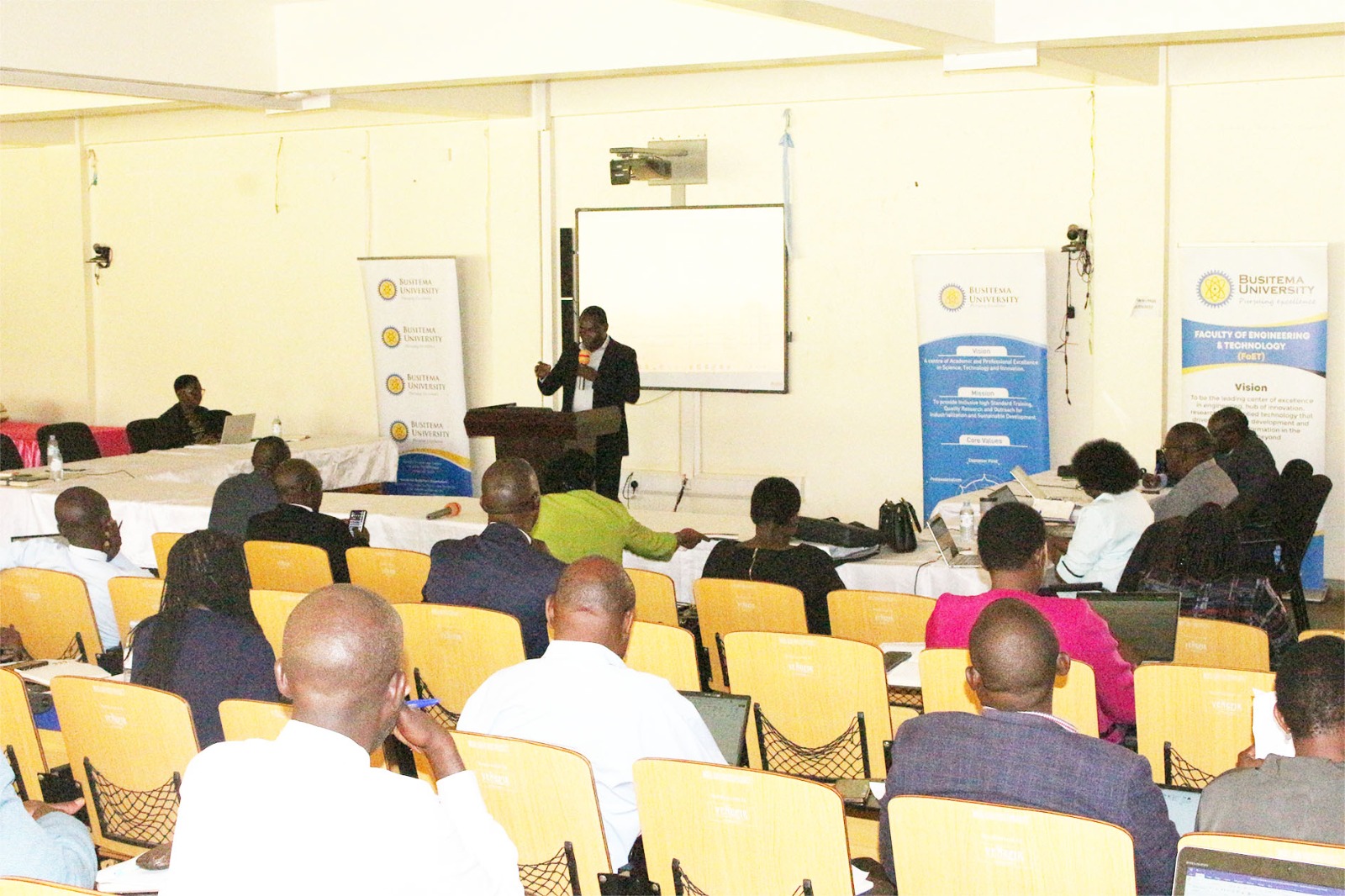
The need to strengthen alternative power systems through solar energy and generators was also discussed, alongside the assessment of ongoing projects to determine those requiring funding for completion. Taken together, the submissions reflected the range of academic, infrastructure and administrative needs that the University must consider when determining how available resources will be allocated.
University Management responded to several concerns raised during the presentations, including staff allowances and other operational requirements.
Management indicated that security allowances would be included in budget planning and directed the relevant units to submit allowance schedules to the University Bursar. Other matters were referred for further consultation with the responsible University offices.
The discussions formed part of the University's continuing budget preparation process, with the departmental submissions providing a basis for reviewing activities and determining funding priorities for FY 2027/2028.
- 60 views