Busitema University Turns Banana Waste into Sustainable Manufacturing Opportunities
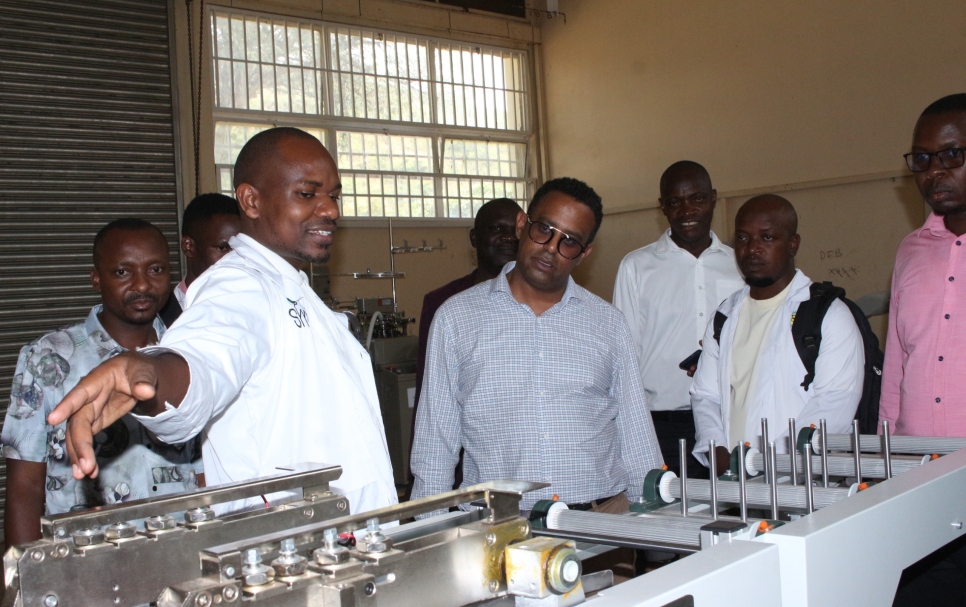
Busitema University is turning one of Uganda’s most abundant agricultural wastes into opportunities for sustainable manufacturing, with research under the BANATEX-EA project producing innovations in textiles, renewable energy, organic fertiliser and digital traceability.
The progress was showcased during a two-day monitoring and engagement visit by Mr. Robi Redda, Director at SouthSouthNorth (SSN), the implementing partner for the UK Government-funded Sustainable Manufacturing and Environmental Pollution Programme (SMEP), on 6–7 August 2026.
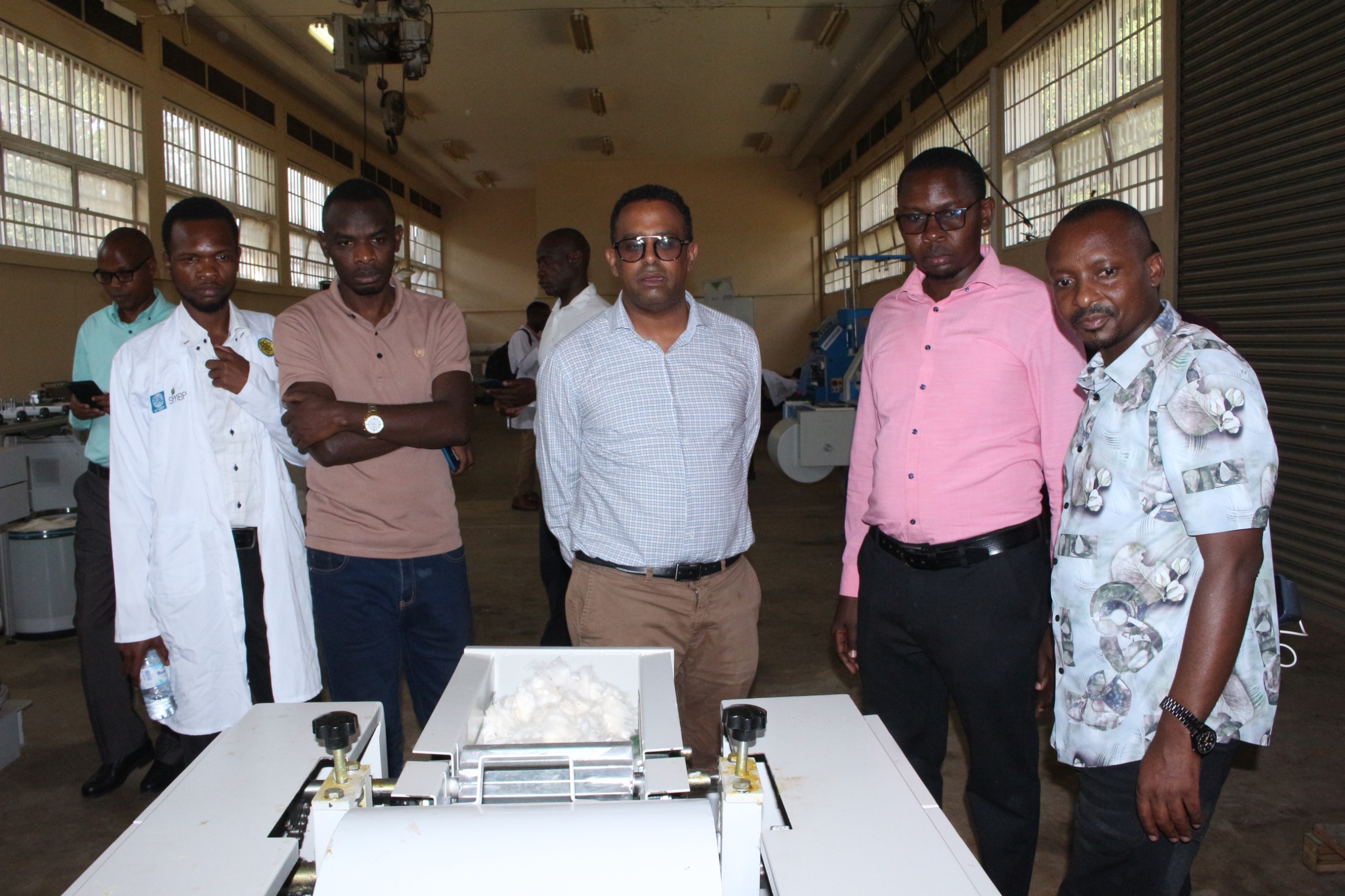
The visit provided an opportunity to assess progress under the BANATEX-EA (Sustainable Textiles through Upscaling and Commercialisation of Banana Fibre Value Addition in East Africa) project, review its achievements and discuss how the technologies, infrastructure and skills developed through the project can be sustained beyond the current funding period.
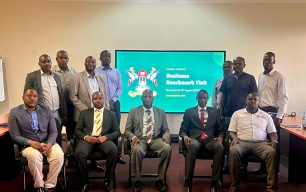
Mr. Redda met with University leadership, the BANATEX-EA project team, Grants Management Unit, Faculty of Engineering staff and postgraduate students, with discussions focusing on project implementation, sustainability, technology transfer and opportunities for future collaboration.
During a courtesy call on the University's Top Management, led by the Acting Vice Chancellor and Deputy Vice Chancellor (Academic Affairs and Research), Assoc. Prof. Saphina Biira, the University acknowledged the support of the UK Government, the SMEP Programme and SouthSouthNorth in strengthening research and innovation at Busitema University.
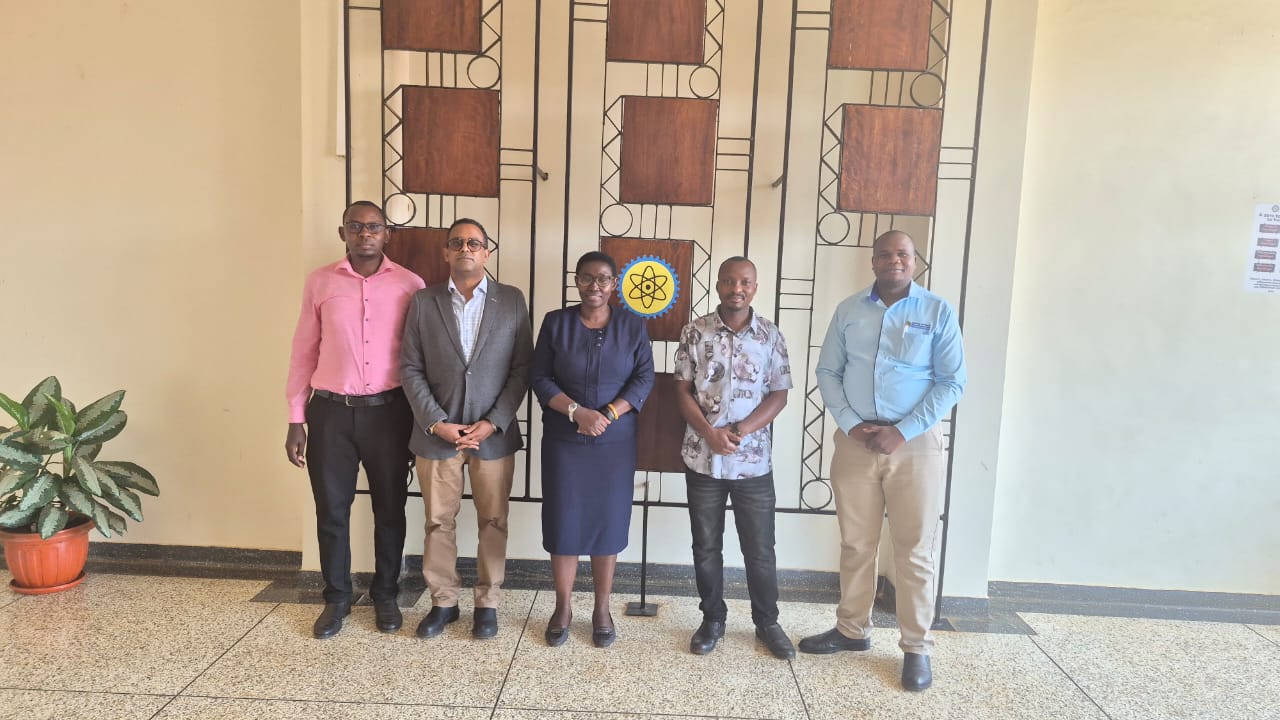
Assoc. Prof. Biira highlighted the potential of natural fibres, particularly banana fibre, to support Uganda's industrialisation and environmental sustainability. She noted that converting agricultural waste into useful products could create opportunities for farmers, contribute to sustainable livelihoods and help address environmental challenges.
The Ag.Vice Chancellor also commended the BANATEX-EA project team, led by Principal Investigator Dr. Edwin Kamalha, for its commitment to delivering the project's objectives and working closely with University Management.
Mr. Redda congratulated Busitema University on the milestones achieved during the two-year implementation period. He commended the University for establishing research infrastructure and developing technologies that demonstrate the potential to turn banana agricultural waste into commercially relevant products.
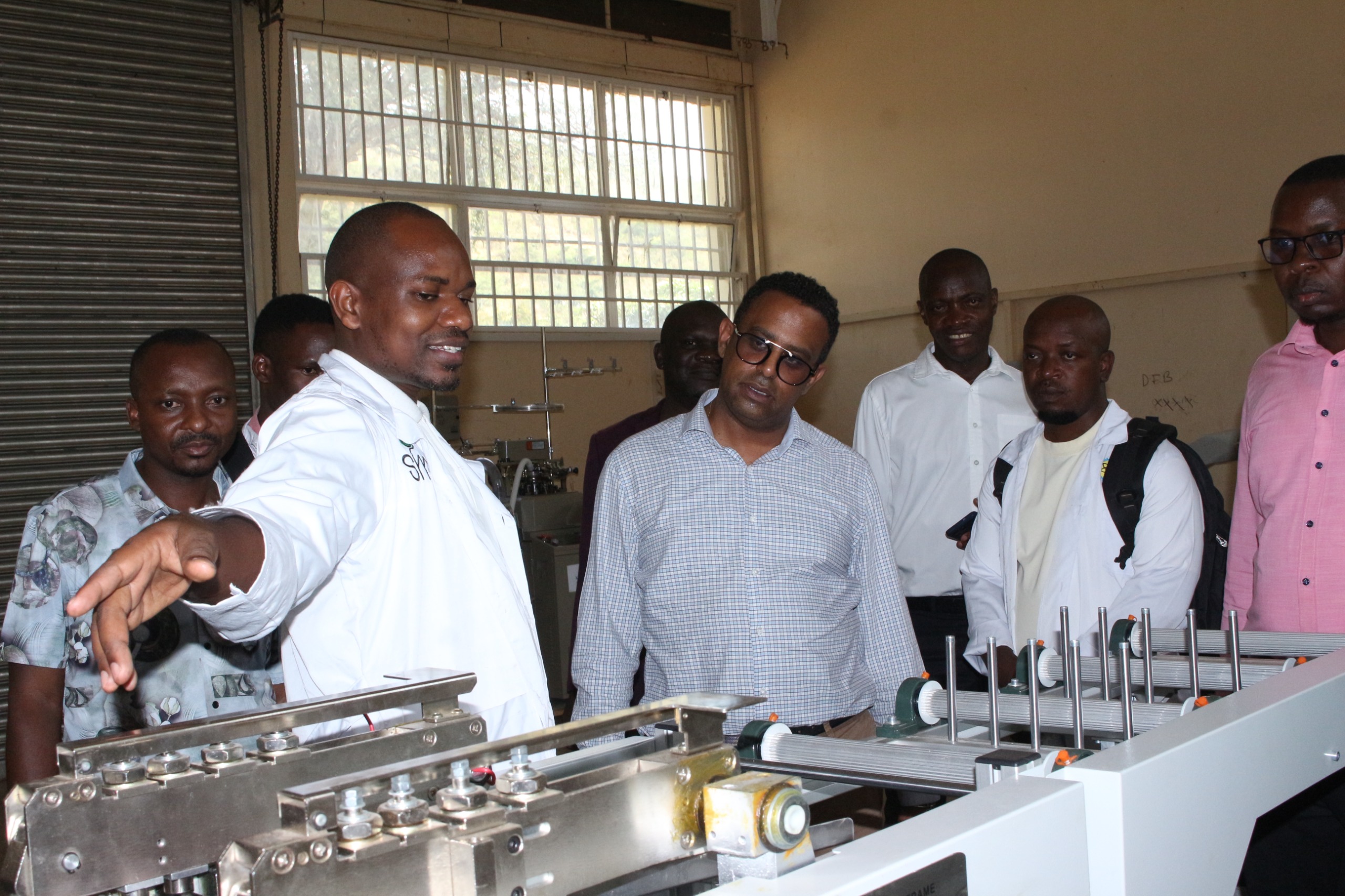
A key highlight of the visit was an inspection of the newly established banana fibre spinning laboratory, equipped through support from the SMEP Programme.
The project team demonstrated the operation of the fibre preparation, spinning and associated laboratory equipment, showing how banana fibres can be processed into value-added textile materials.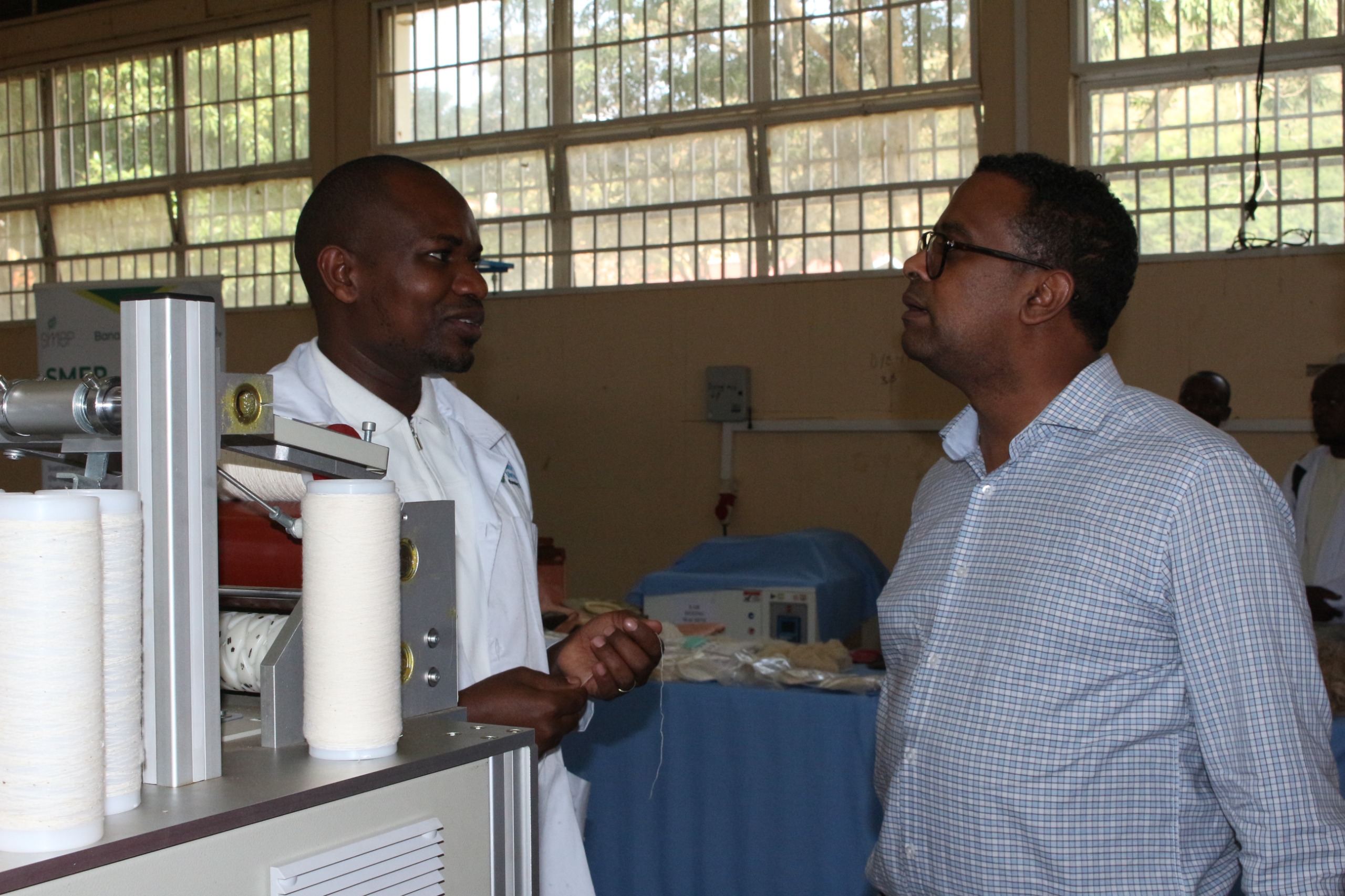
The team also presented ongoing efforts to optimise fibre processing technologies, improve product quality and expand the potential applications of banana fibre in the textile industry.
The investment in the laboratory has strengthened Busitema University's capacity to undertake research and development in sustainable textiles while providing students and researchers with practical opportunities to work with specialised equipment.
Beyond the laboratory demonstration, discussions during the visit focused on how the gains made under BANATEX-EA can be sustained after the current funding period. Mr. Redda held focused discussions with the BANATEX-EA Project Team and the Grants Management Unit to review implementation progress, outstanding deliverables and close-out activities.
The discussions considered how the University can maintain the research infrastructure, build on the skills developed through the project and position itself for future partnerships and funding opportunities. The project team and Grants Management Unit reaffirmed their commitment to completing the remaining activities and ensuring that the investment continues to support research, training and innovation at the University.
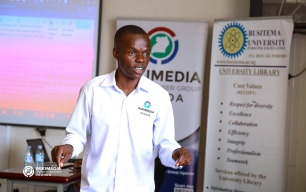
Postgraduate students supported through BANATEX-EA provided another highlight of the visit, presenting research aimed at finding new uses for banana waste while contributing to a circular bioeconomy.
Their research covered the optimisation of banana fibre spinning and fibre blend development for textile applications; production of renewable biogas from banana pseudo-stem waste; development of pelletised organic fertiliser from banana pseudo-stem sap; and development of a traceability framework leading to a Digital Product Passport for banana fibre value chains.
The Digital Product Passport initiative is expected to strengthen sustainability and transparency within the banana fibre value chain while supporting future access to international markets.
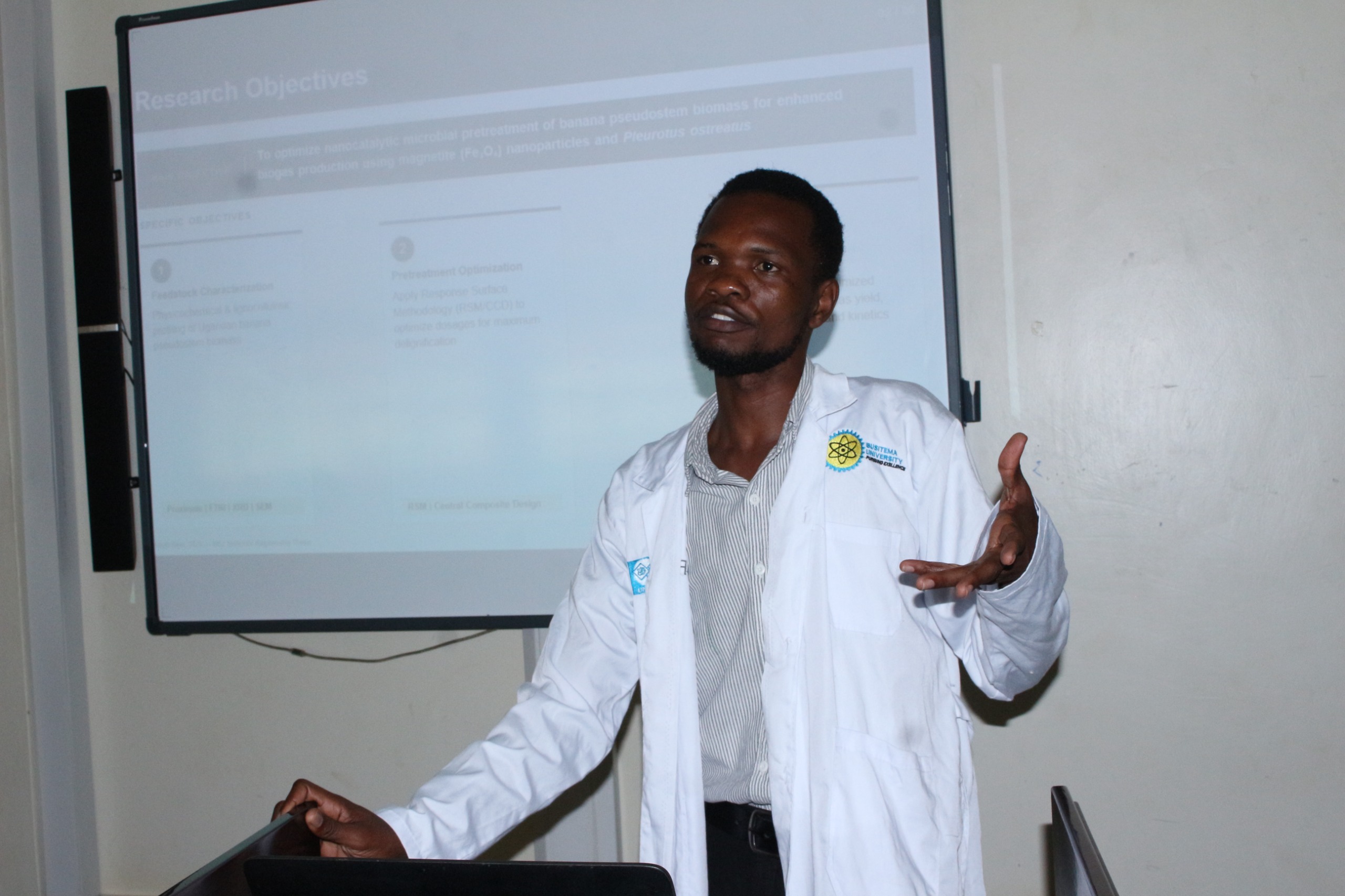
The presentations demonstrated the breadth of research emerging from the project and its potential to address challenges extending beyond textile production, including renewable energy, agricultural productivity, environmental sustainability and digital technologies.
Representing the Dean of the Faculty of Engineering, Prof. Ildephonse Nibikora, Deputy Dean, welcomed Mr. Redda and expressed appreciation to the SMEP Programme for its investment in research infrastructure, staff capacity development and postgraduate training.
He encouraged the researchers to move beyond generating knowledge and focus on translating research outputs into practical and commercially viable applications capable of delivering national and regional impact.
Dr. Edwin Kamalha, Principal Investigator of the BANATEX-EA Project, and Mr. Godias Tumusiime, Co-Principal Investigator, thanked University Management, the Faculty of Engineering, the Grants Management Unit, project staff and students for their support.
They reaffirmed their commitment to ensuring that BANATEX-EA leaves a lasting legacy through technology transfer, strengthened institutional research capacity, human resource development and sustainable partnerships with industry.
As the BANATEX-EA project approaches the end of its current implementation period, the visit highlighted the progress made in building Busitema University's capacity to transform agricultural waste into useful products and commercially relevant technologies.
The project demonstrates how investment in research infrastructure, skills and partnerships can help turn an abundant agricultural resource into new industrial opportunities. For Busitema University, the work is strengthening its contribution to Uganda's transition towards greener manufacturing while developing researchers and technologies with potential application across agriculture, textiles, energy and other sectors.
- 120 views