Busitema University Calls for Results-Driven Budgeting for FY 2027/2028
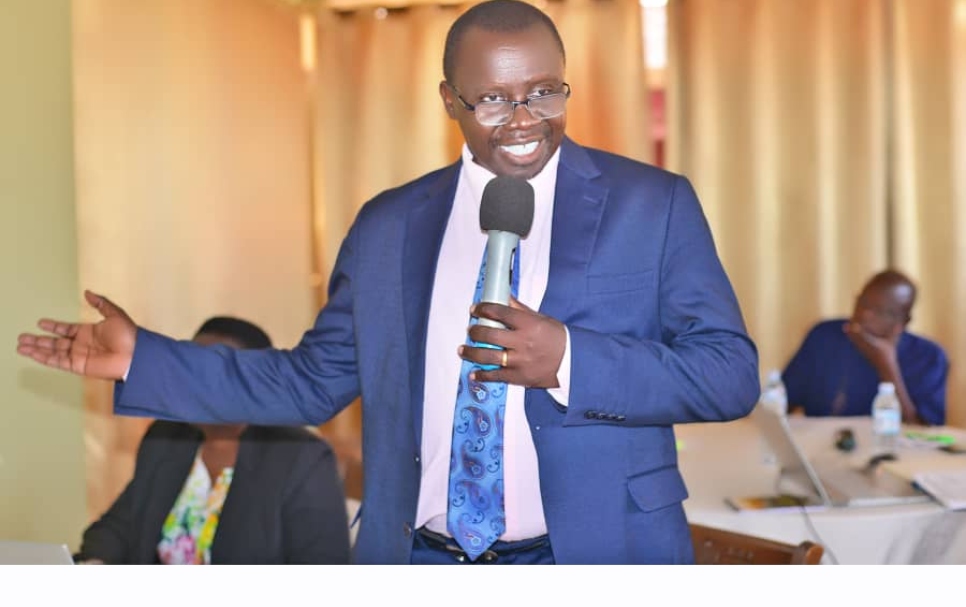
Busitema University has held a budget retreat at Wash and Wills Hotel in Mbale to guide planning and resource allocation for the 2027/2028 Financial Year, with a call on University units to align their budgets with institutional priorities and focus on delivering measurable results.
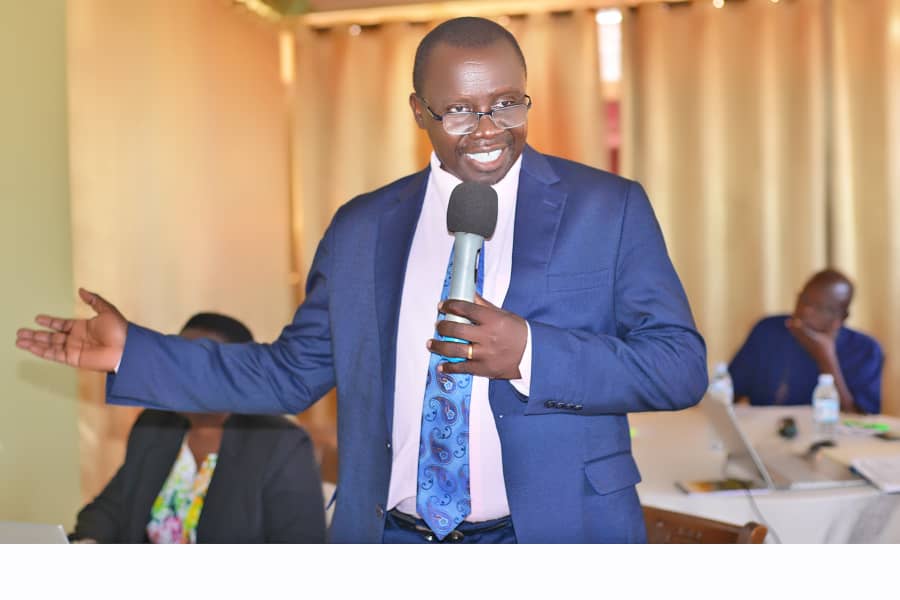
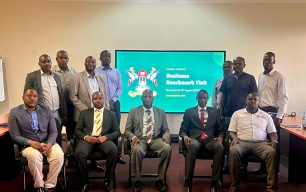
Held under the theme “Accelerating Socio-economic Transformation through Enhanced Efficiency and Sustainable Growth,” the retreat brought together Top Management, Deans, Directors, Programme Controllers, the Students’ Guild President and staff representatives to discuss emerging priorities, funding requirements and ways of improving efficiency in the use of University resources.
In his welcome remarks, the Deputy Vice Chancellor, Finance and Administration, Assoc. Prof. Pakoyo F. Kamba, thanked staff for their commitment and teamwork. He highlighted the current budget position and urged Deans and Heads of Departments to ensure that activities included in their workplans and budgets are implemented as planned.
University Secretary Dr. Gregory Tweheyo, while outlining the objectives and rules of engagement, highlighted several issues that should inform the University’s planning for the coming financial year. These include growing undergraduate enrolment, expanding graduate and specialist training, transitioning to Competence-Based Education and Training (CBET) and Technical and Vocational Education and Training (TVET), and aligning institutional priorities with the ATMS Tenfold Growth Strategy, which focuses on agro-industrialisation, tourism, minerals, and science, technology and innovation.
He also emphasised the need to explore alternative revenue sources, commercialise research, strengthen community outreach through a Busitema model parish and improve performance monitoring. Other priorities included aligning the University’s plans with the Fourth National Development Plan (NDP IV) and addressing the gap between industry requirements and graduate employability.
Dr. Tweheyo outlined the key considerations for allocating resources, including student enrolment, staffing levels, new academic programmes, ICT requirements, unit costs, mandatory budget provisions, approved policies, revenue-generating opportunities, completion of ongoing projects and risk management. He urged University units to make deliberate choices about their priorities, noting that budgeting should go beyond meeting reporting requirements to delivering tangible results.
In his keynote address on the University Strategy and Emerging Issues, Vice Chancellor Prof. Paul Waako called on staff to review their budgets and ensure they are aligned with the University Strategic Plan. He stressed the importance of translating the University’s Service Delivery Standards into improved performance and tangible outcomes, particularly in view of the significant investments made by the institution.
Prof. Waako also urged the Directorate of Graduate Studies, Research and Innovations to introduce post doctoral programmes to help retain PhD graduates at the University and strengthen its research capacity. He further called for greater emphasis on industrialisation and digitalisation as part of the University’s contribution to socio-economic transformation.
The University’s digital transformation agenda was also discussed through a presentation of the ICT Strategy and Roadmap by the Director of ICT, Assoc. Prof. Gilbert Gilibrays Ocen. The presentation highlighted the role of ICT in supporting e-learning and Open, Distance and e-Learning (ODeL), strengthening the Human Resource Information Management (HRIM) system and automating registry services. These areas are expected to support teaching and learning, streamline administrative processes and improve access to information and service delivery.
Chief Planner Mr. Paddy Namurebire thanked participants for sharing their funding priorities and presented an overview of budget allocations across the University’s programmes and the outlook for the FY 2027/2028 resource envelope.
He reported that Uganda’s national budget was projected to decline from UGX 84 trillion in FY 2026/2027 to UGX 79.22 trillion in FY 2027/2028, representing an estimated six per cent reduction. Although Busitema University’s budget ceiling had not yet been formally communicated, its allocation was expected to remain at UGX 100.55 billion.
Against this background, Mr. Namurebeire cautioned that not all proposed activities might receive funding and urged units to prioritise requests in line with available resources. He advised them to prepare realistic, detailed workplans once programme ceilings are communicated and ensure these are ready for presentation at the Budget Conference.
Closing the retreat, Prof. Waako thanked participants for making time to plan for the coming financial year and commended the organising team for coordinating the discussions. He reminded participants that they represented a wider group of University stakeholders and urged them to consult their respective departments to ensure that the priorities identified reflect the needs of their units.
He also welcomed the participation of staff and student representatives, encouraging them to share the outcomes of the retreat with the wider University community and contribute to shaping institutional priorities.
The Vice Chancellor called on University units to demonstrate the value of allocated resources through tangible outputs, supported by detailed workplans and realistic cost estimates. He cautioned against lump-sum budgeting, emphasising the need for clear activities, costs and expected results.
As the University prepares for FY 2027/2028, the retreat reinforced the importance of prioritising resources, strengthening accountability and ensuring that budgets translate into measurable results in support of Busitema University’s strategic objectives and sustainable growth.
- 3 views