Busitema University Powers Uganda's Green Energy Future Through International Solar Training
Busitema University has strengthened its position as a hub for renewable energy innovation after hosting an international solar installation training programme that equipped engineers, technicians, graduates and students with practical skills needed to support Uganda's growing clean energy sector.
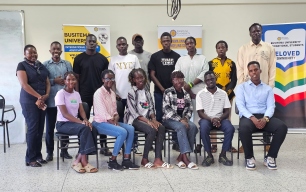
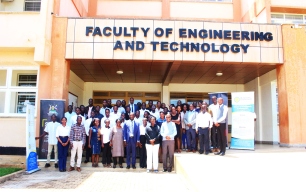
The 19-day training, organised under the International Solar Alliance (ISA) and facilitated by First Green Consultancy (FGC) Ltd of India, brought together participants from across Eastern Uganda for intensive theoretical and practical instruction at the Faculty of Engineering and Technology. Through the University's Eastern Uganda Solar Training and Resource Centre (STAR-C Centre), the initiative is helping to build a skilled workforce capable of supporting the country's transition to sustainable energy solutions.
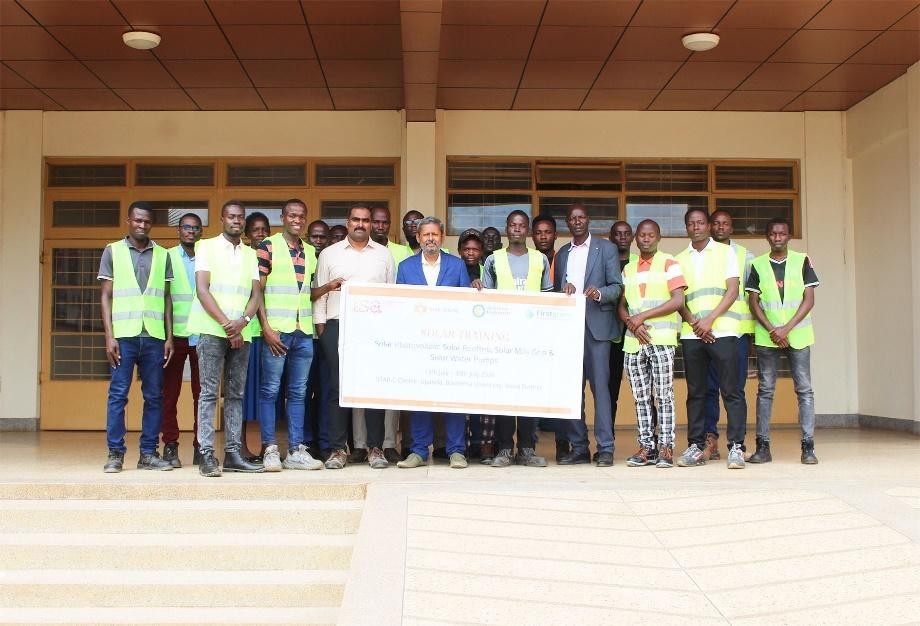
The programme was delivered in two cohorts, from 13th–21th July and 22nd–30th July 2026, with participants drawn from engineering, technical and vocational institutions, as well as recent graduates and university students. On successful completion of the training, participants received certificates recognising their newly acquired competencies in solar photovoltaic installation.
Speaking on behalf of University Management, the Dean of the Faculty of Engineering and Technology, Eng. Dr. Joseph Lwanyaga Ddumba, congratulated the participants for embracing a field that is increasingly shaping the future of energy and economic development.
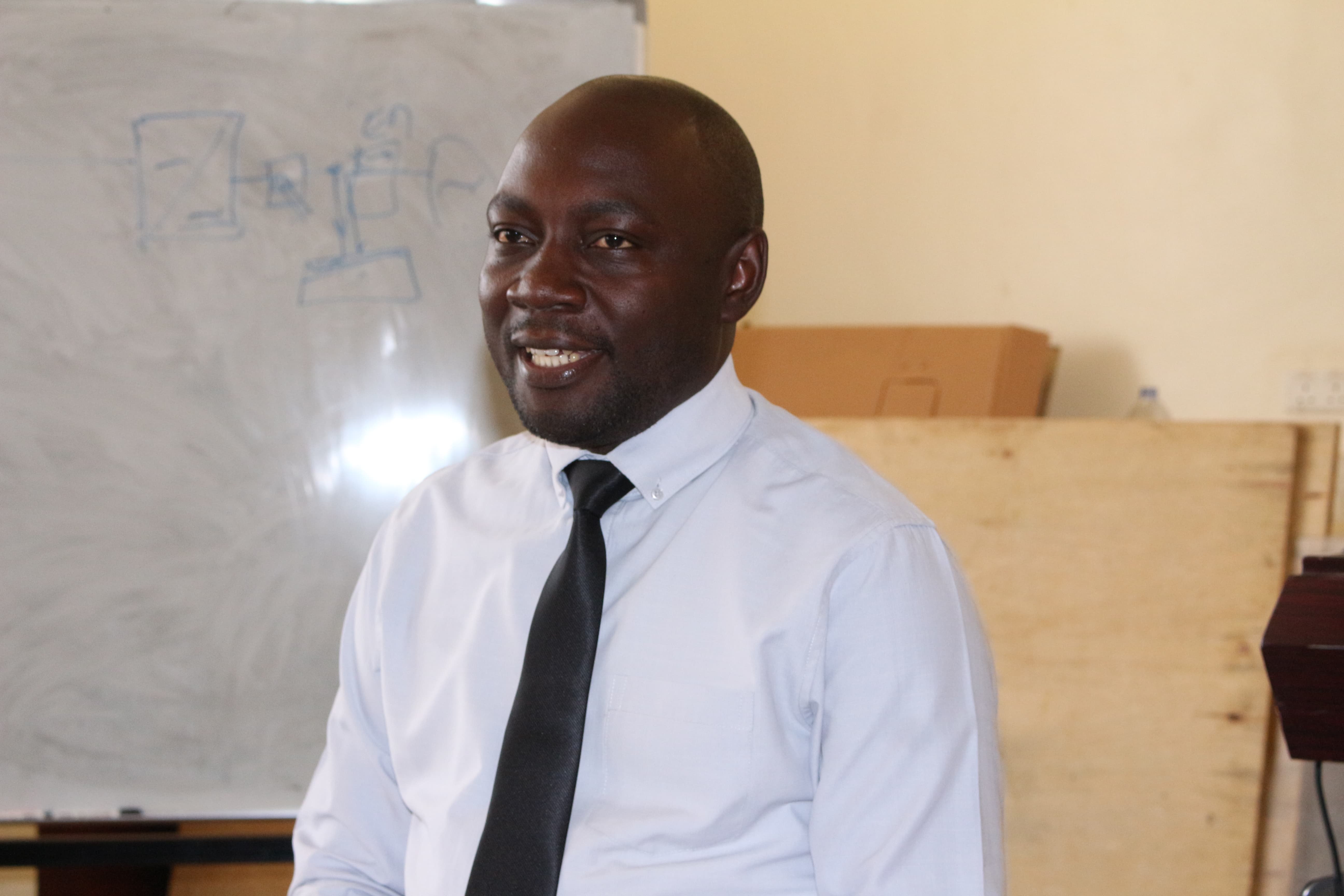
He encouraged them to apply the practical knowledge gained during the training to address real-world energy challenges, emphasizing that a solid understanding of concepts and hands-on experience are the foundation of lasting professional competence.
The training was facilitated by renewable energy experts Mr. S. Pavithran and Mr. G. Sivarama Krishnan from First Green Consultancy Ltd, who shared global best practices drawn from the consultancy's work on large-scale solar projects across Asia, the Pacific and Africa.
Introducing the consultancy, Mr. Pavithran explained that First Green Consultancy supports governments, development agencies and private institutions in planning and implementing renewable energy projects. He noted that the consultancy's work is guided by the principle of "Energy Efficiency, Renewables and Sustainability" and currently spans six African countries, including Uganda.
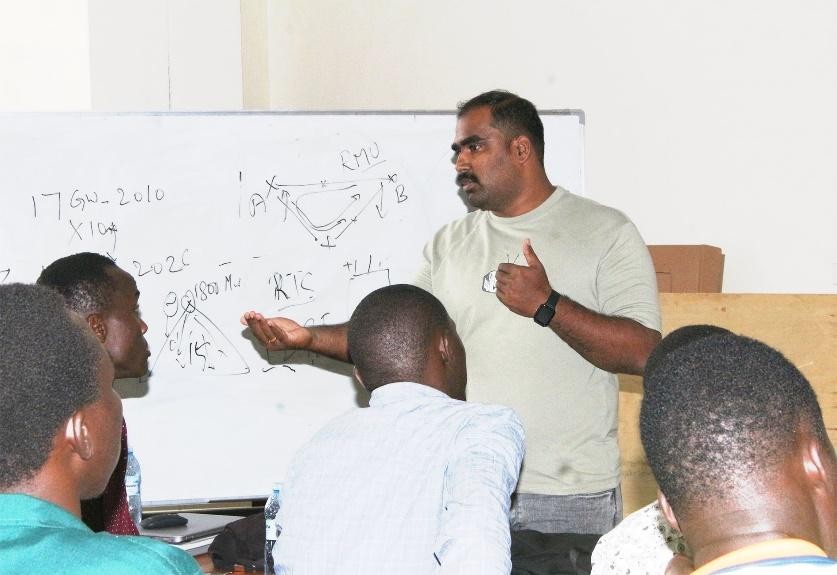
He further highlighted the consultancy's online Learning Management System, which enables trainees and partner institutions to continue exchanging knowledge and technical expertise beyond the classroom, fostering long-term collaboration within the renewable energy sector.
The Head of the Department of Electrical Engineering, Eng. George Kilama, said the training was organised through the International Solar Alliance to strengthen Uganda's technical capacity in solar energy technologies, particularly rooftop installations, solar-powered water pumping systems and mini-grids.
He revealed that the partnership will extend beyond the current training, announcing that the International Solar Alliance will sponsor Mr. Ekuu Aaron, a Graduate Fellow at Busitema University, to pursue a 10-month Postgraduate Diploma at the Indian Institute of Technology Madras. The opportunity is expected to further enhance the University's expertise in renewable energy and support the development of local trainers who will continue transferring these skills to future learners.
On the final day of the programme, Mr. Noah Kyeyune, the STAR-C Centre Coordinator from the Ministry of Energy and Mineral Development, commended the International Solar Alliance and Busitema University for their commitment to advancing renewable energy technologies in Uganda. He revealed that the STAR-C Centre had initially been earmarked for Nakawa Technical Institute, but when the opportunity was presented to Busitema University, the University's leadership embraced the initiative with enthusiasm.
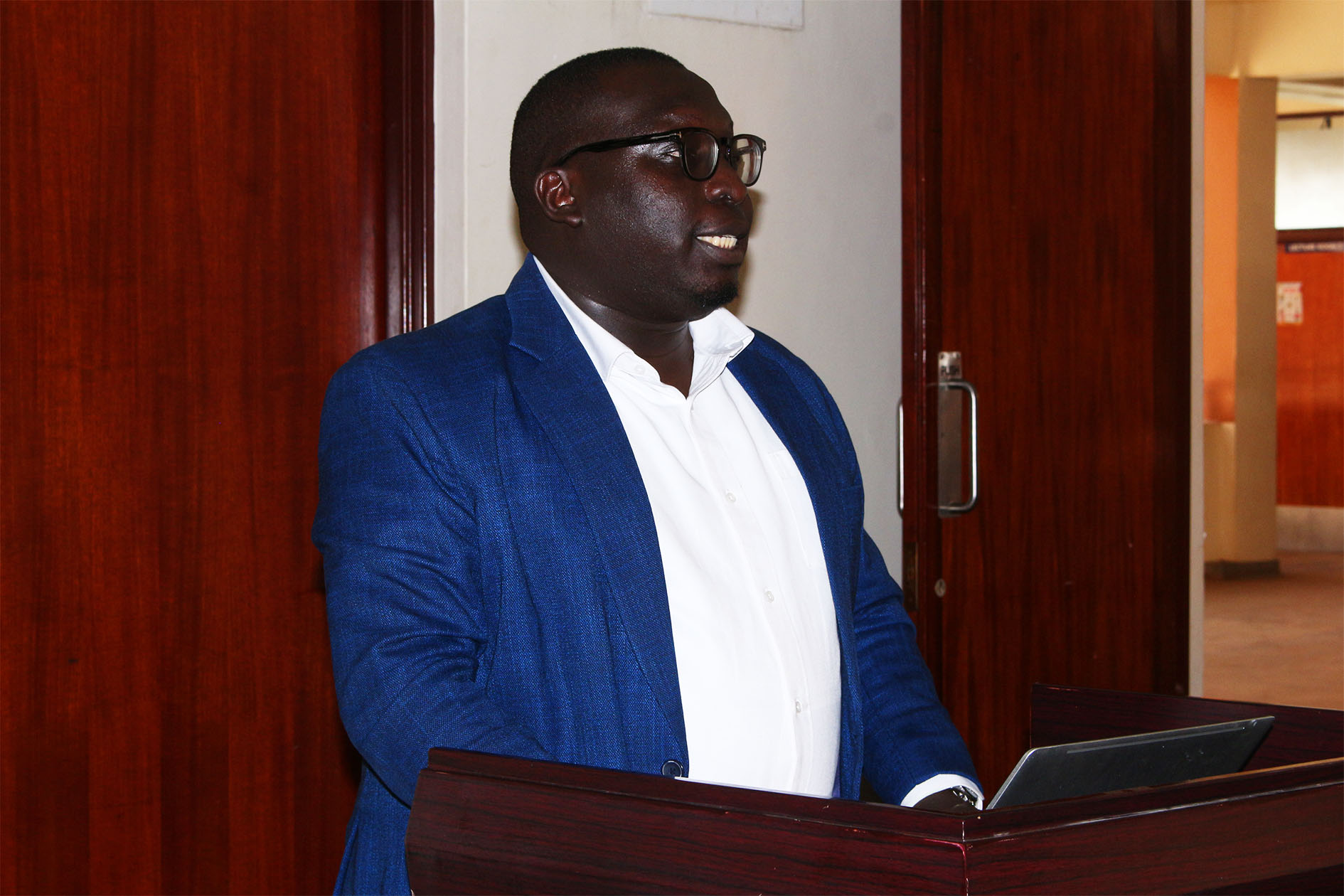
Mr. Kyeyune noted that the Government of Uganda recognises renewable energy as a key driver of socio-economic transformation. He described the STAR-C Centre as an important link between national energy policies and their practical implementation, adding that expanding the adoption of solar technologies offers a sustainable solution to the longstanding challenge of limited electricity access in many rural communities.
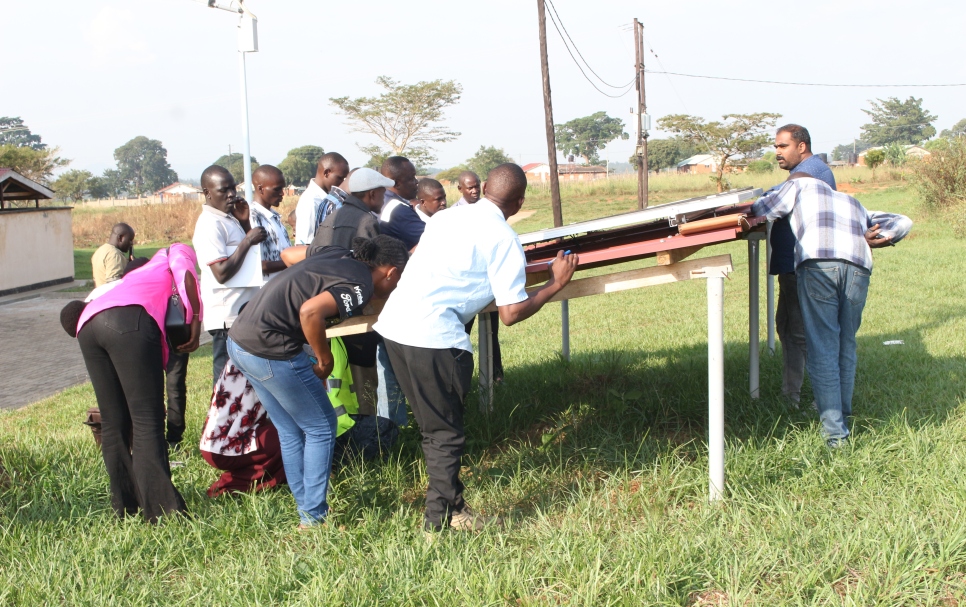
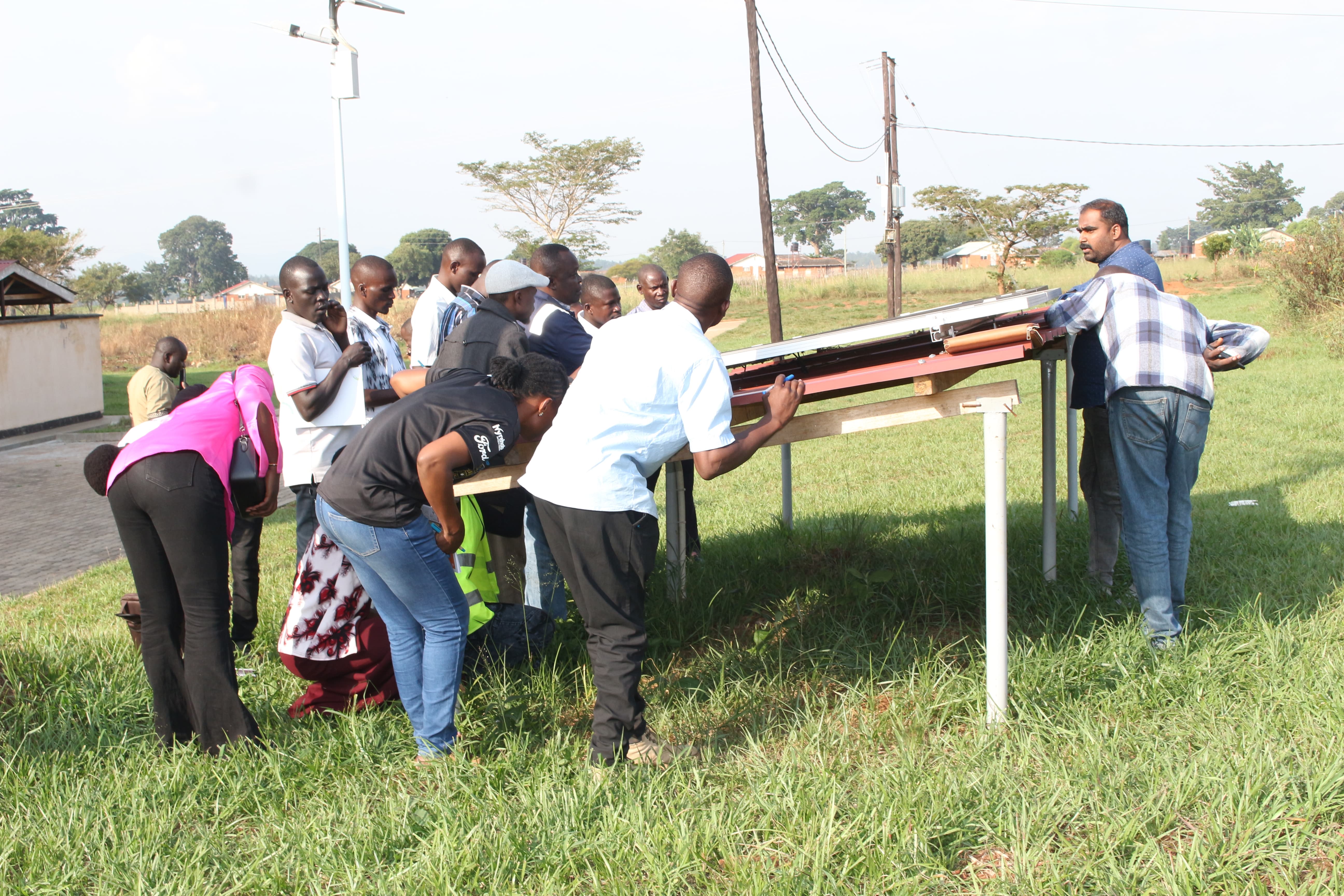
The practical sessions provided participants with hands-on experience in system design, installation, site assessment, component selection and maintenance. Mr. Krishnan guided trainees through the technical considerations required for successful solar projects, including structural design, system logistics, power distribution and performance optimization.
Representing the Vice Chancellor at the closing ceremony, the Deputy Vice Chancellor (Academic Affairs), Assoc. Prof. Saphina Biira, congratulated the participants on successfully completing the programme and challenged them to apply their newly acquired knowledge to address energy challenges in their communities. She revealed that the University is developing a business model and sustainability plan for the STAR-C Centre to ensure its long-term viability and impact.
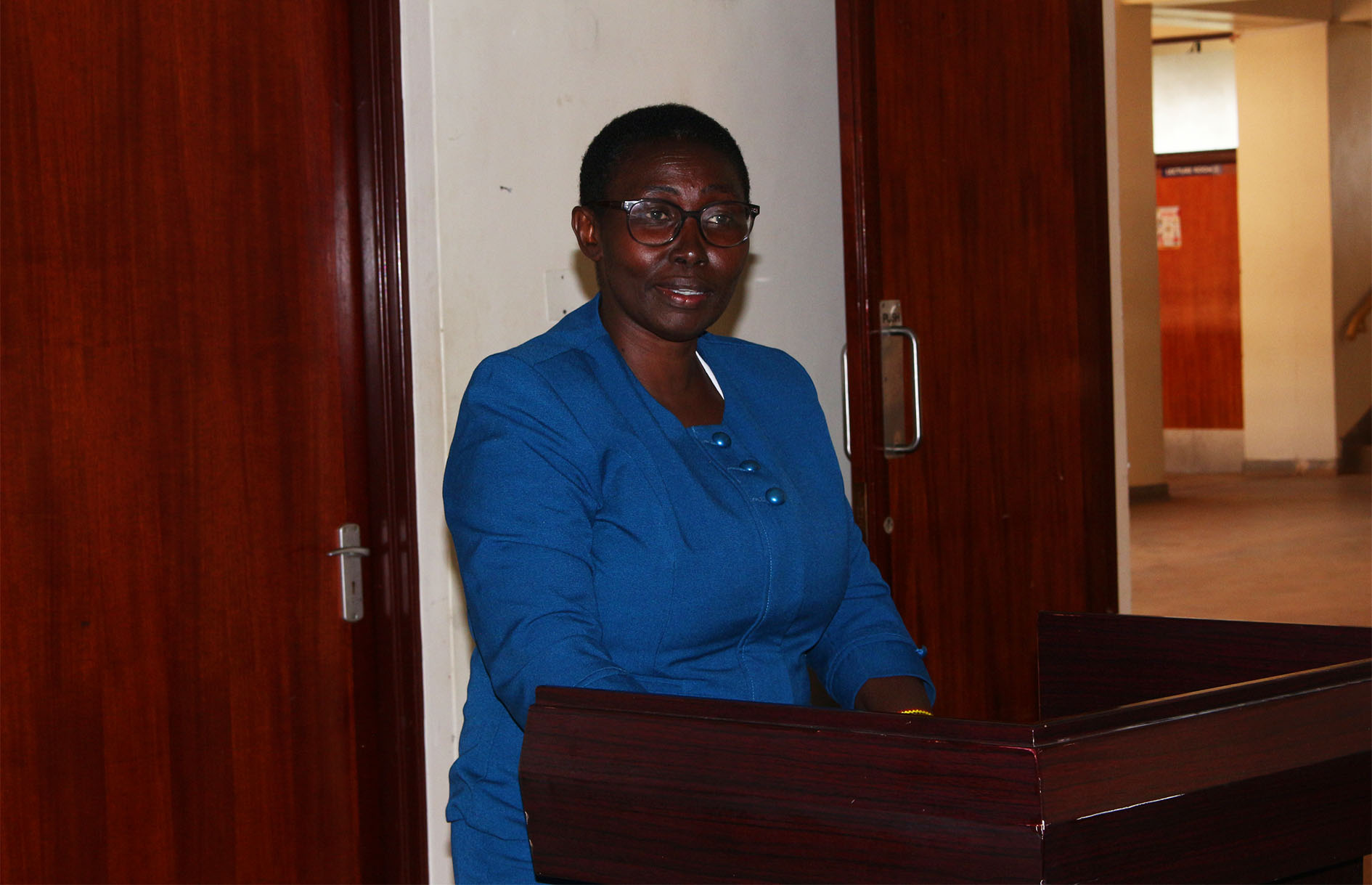
Assoc. Prof. Biira encouraged the trainees to maintain professional networks with First Green Consultancy, noting that the partnership would provide continued technical support, particularly in mini-grid solar installation. She further urged them to share the knowledge and skills they had acquired with their communities, contributing to Uganda's sustainable development and expanding access to clean energy.
The second cohort, comprising bachelor's degree graduates, received advanced instruction in system calculations, design principles and project planning, enabling them to develop the technical competencies required to implement solar energy solutions in diverse settings.
As Uganda continues to expand access to clean and affordable energy, initiatives such as this demonstrate the value of international collaboration in developing the skilled workforce needed to drive the country's renewable energy ambitions.
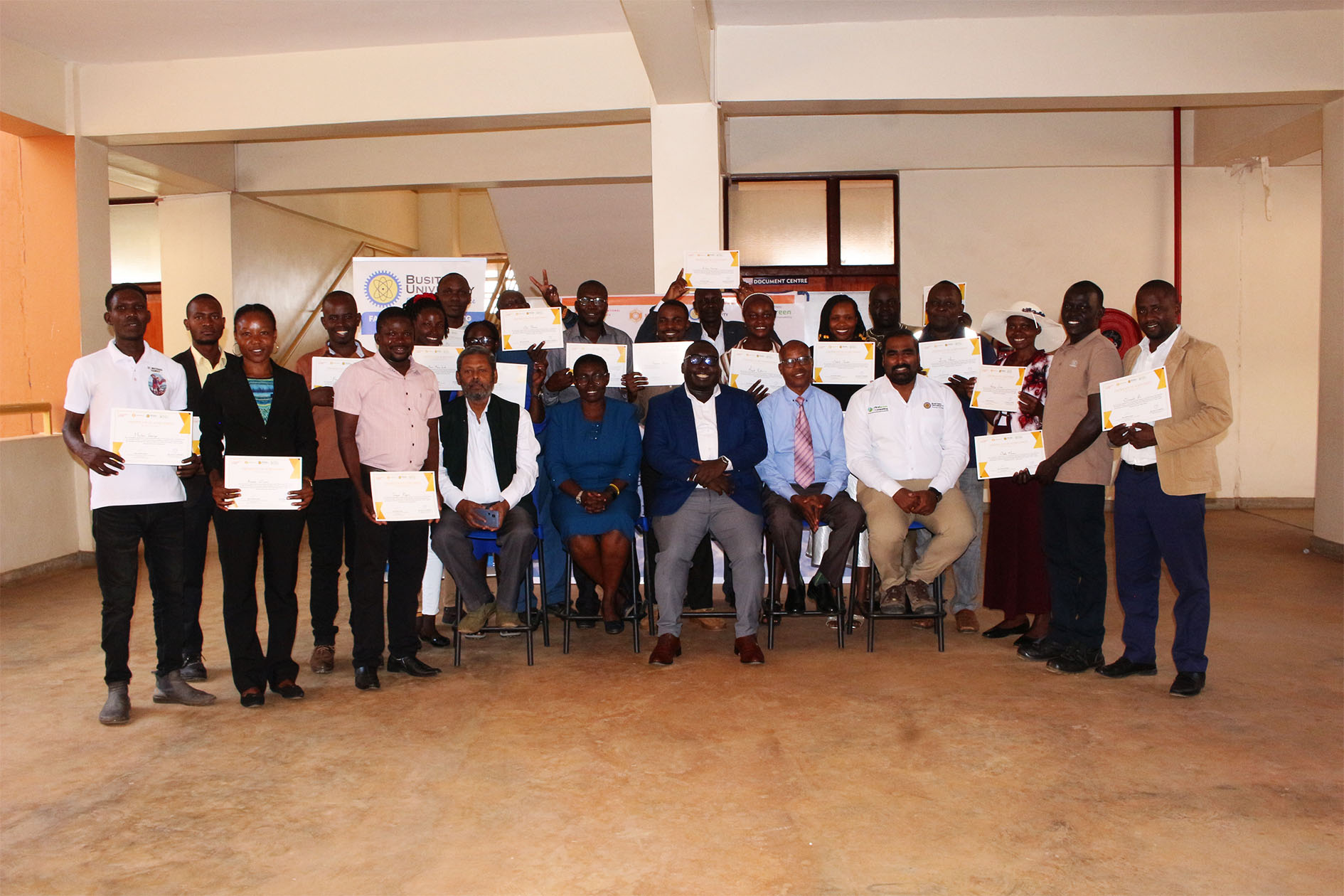
By hosting the STAR-C Centre and partnering with the International Solar Alliance and First Green Consultancy, Busitema University is strengthening its role as a national centre of excellence in renewable energy training and innovation. The initiative not only enhances graduate employability but also supports Uganda's transition to clean energy by producing the skilled professionals needed to drive sustainable development across Uganda and the wider East African region.
- 94 views