Busitema University and Partners Advance Waste to Wealth Innovation
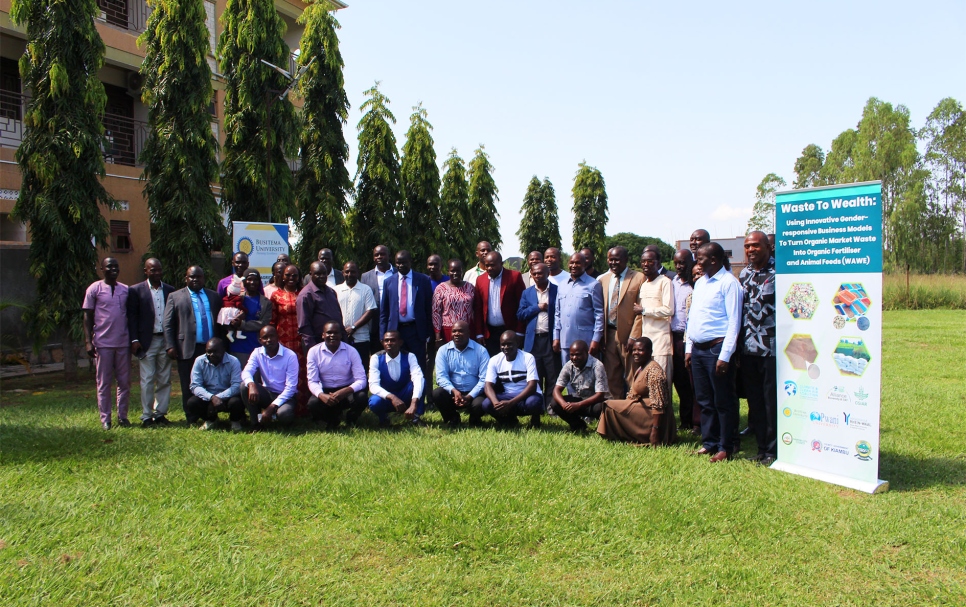
Busitema University, through its Faculty of Agriculture and Animal Sciences, successfully hosted a two-day Waste to Wealth Transformation Workshop in Soroti City, bringing together researchers, government officials, development partners, and academic institutions to explore innovative ways of converting organic waste into valuable products such as organic fertilizer and animal feed.
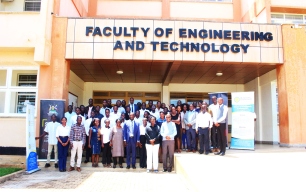
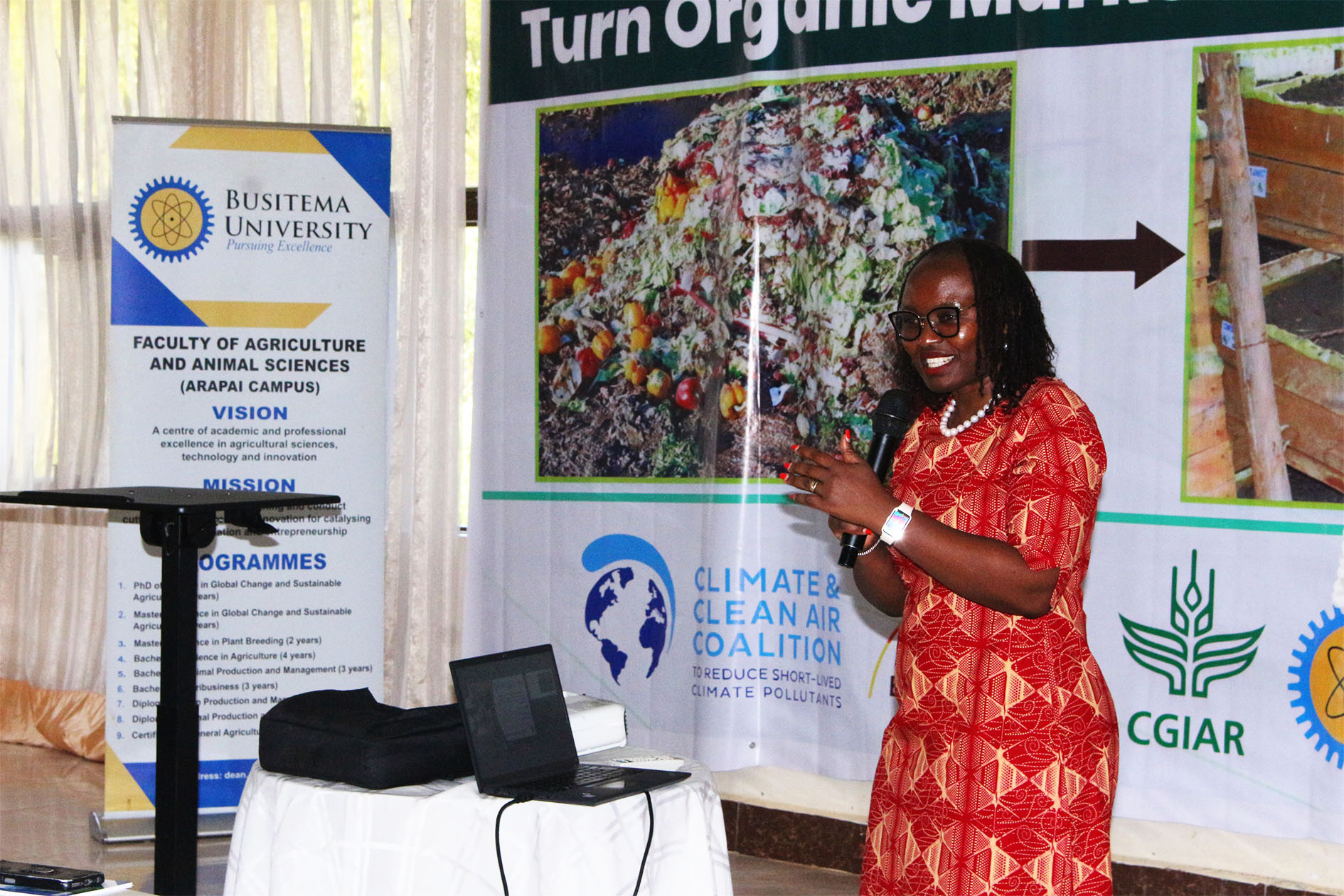
Held at Sparrow Hotel in Soroti on May 27 and 28, the workshop focused on the theme, “Using Innovative Gender-Responsive Business Models to Turn Organic Market Waste into Organic Fertilizer and Animal Feeds.” The event attracted participants from Busitema University, Pwani University in Kenya, and other key stakeholders involved in the Waste to Wealth (WAWE) Project.
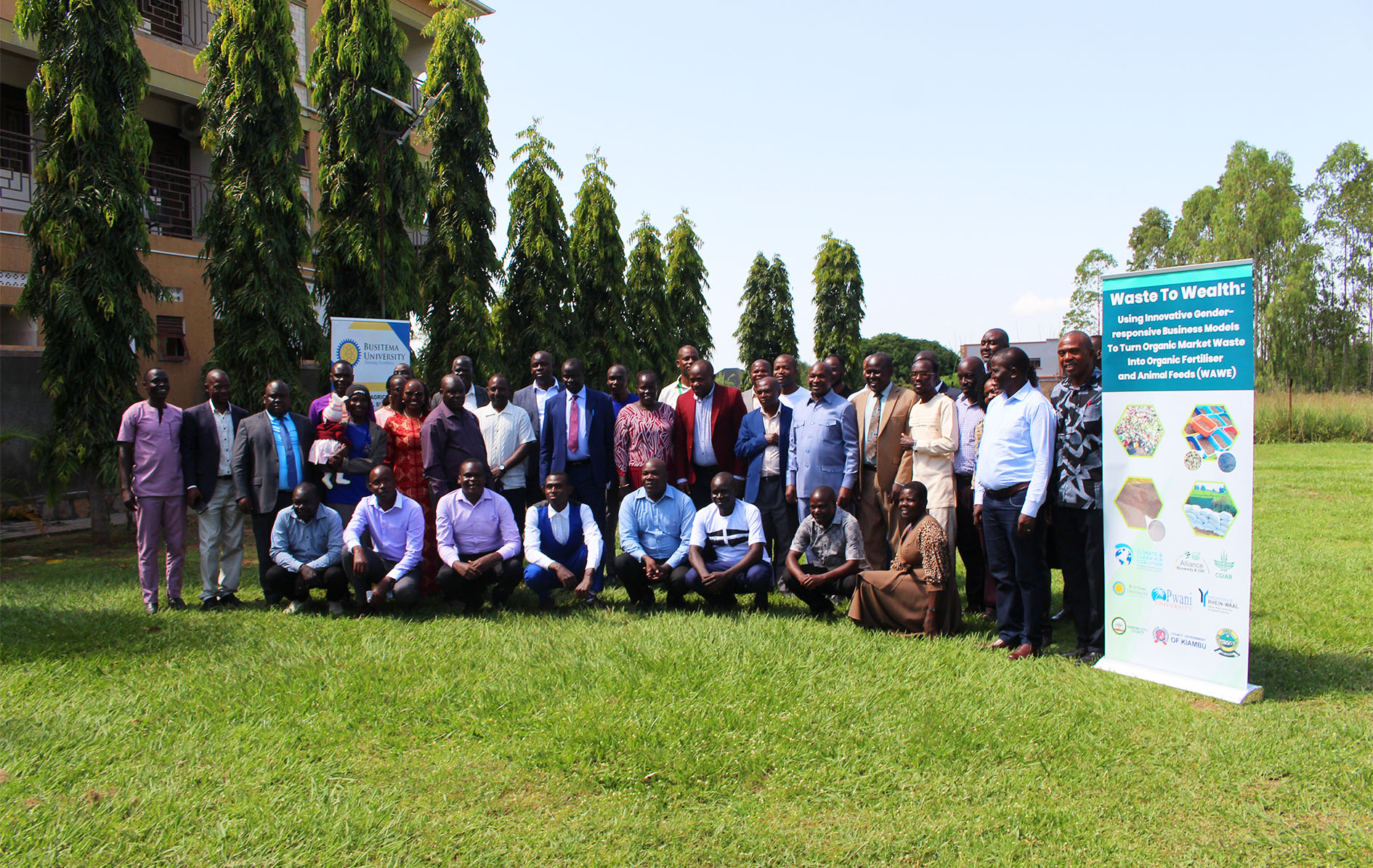
The WAWE initiative is a collaborative effort involving Busitema University, Pwani University, and Hochschule Rhine-Waal University of Applied Sciences in Germany. The project also works closely with partners including Alliance Biodiversity International and CIAT, as well as the County Government of Kiambu, among other public and private sector stakeholders. Its primary goal is to transform organic market waste into sustainable agricultural products while promoting environmental conservation and economic empowerment.
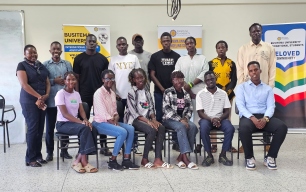
The first day of the workshop featured presentations by Busitema University master's students whose research projects align with the WAWE initiative. The students received valuable feedback and mentorship from visiting professors from Pwani University. Having adopted the Waste-to-Wealth concept earlier, Pwani University shared practical experiences and lessons that will support the successful implementation of the project at Busitema University.
On the second day, the workshop brought together representatives from the National Environment Management Authority (NEMA), the Ministry of Agriculture, Animal Industry and Fisheries (MAAIF), Soroti City Local Government, Kiambu County Government, and Busitema University's top management to discuss strategies for implementing the project and maximizing its impact.
While welcoming delegates, Busitema University Vice Chancellor, Prof. Paul Waako, reaffirmed the institution's commitment to research, innovation, and community transformation. He noted that the university possesses adequate land resources that could support large-scale fertilizer production initiatives. Prof. Waako also highlighted the significant increase in research funding at the university, which has grown from UGX 1 billion to UGX 26 billion, reflecting the institution's strong focus on science, technology, and innovation. He emphasized that initiatives such as WAWE strengthen collaboration between academia, industry, government, and local communities.
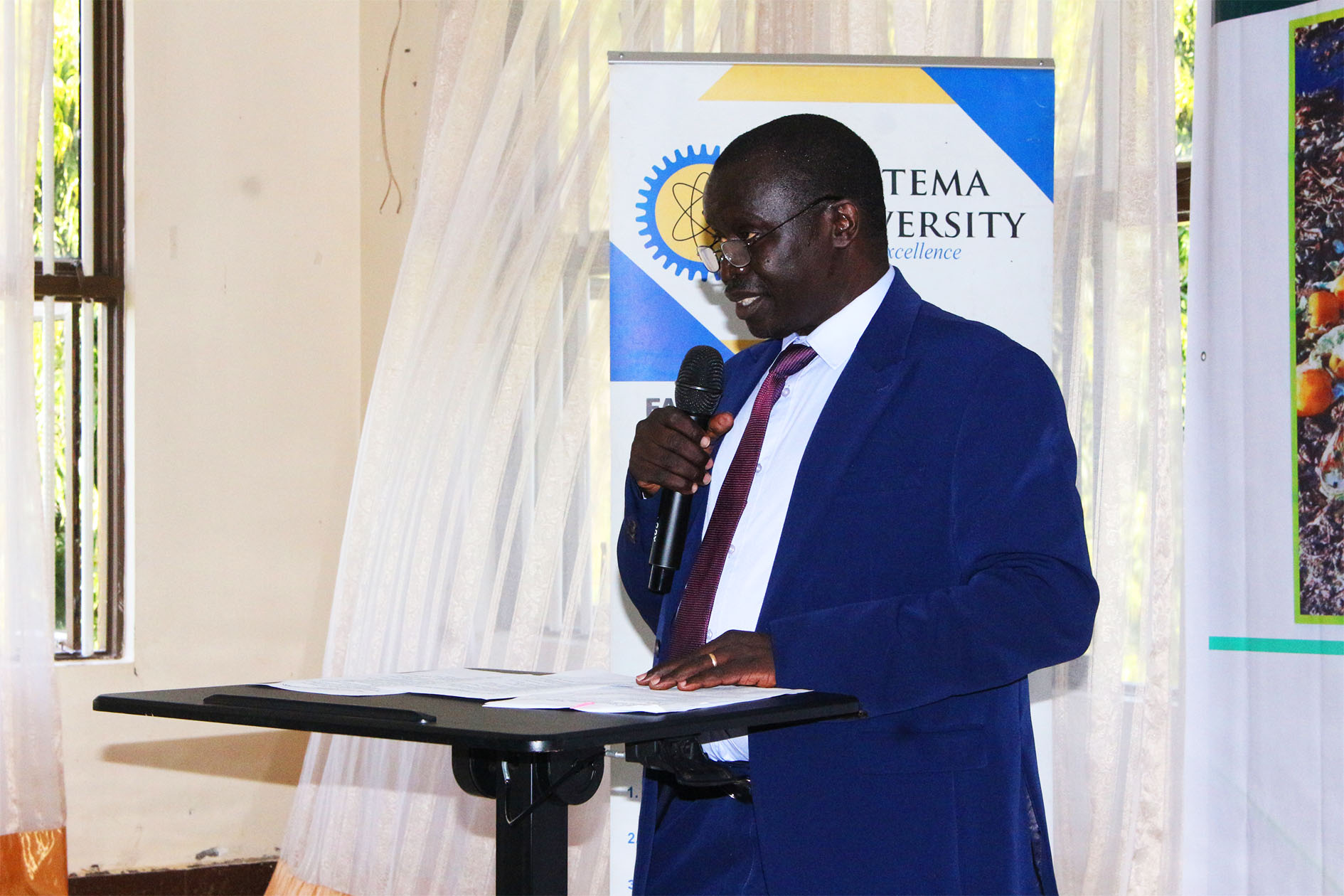
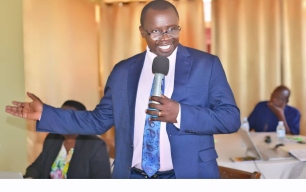
Speaking during the workshop, Prof. James Peter Egonyu, the Busitema University team leader for the project, explained that organic waste will primarily be sourced from collection points around Soroti City Market. The waste will be sorted into different categories and treated before being processed into organic fertilizer. He also revealed that Black Soldier Fly larvae will play a central role in producing nutritious animal feed, creating multiple agricultural value chains.
In addition, the project is developing "Frass," a nutrient-rich organic product derived from processed waste materials, including fruits, vegetables, leftovers, and animal products. Demonstration sites showcasing these production models will be established in Soroti City in partnership with organizations such as the Soroti Catholic Diocese Integrated Development Organization (SOCADIDO), The Eastern Development Organization (TEDO), and the Pentecostal Assemblies of God (PAG).
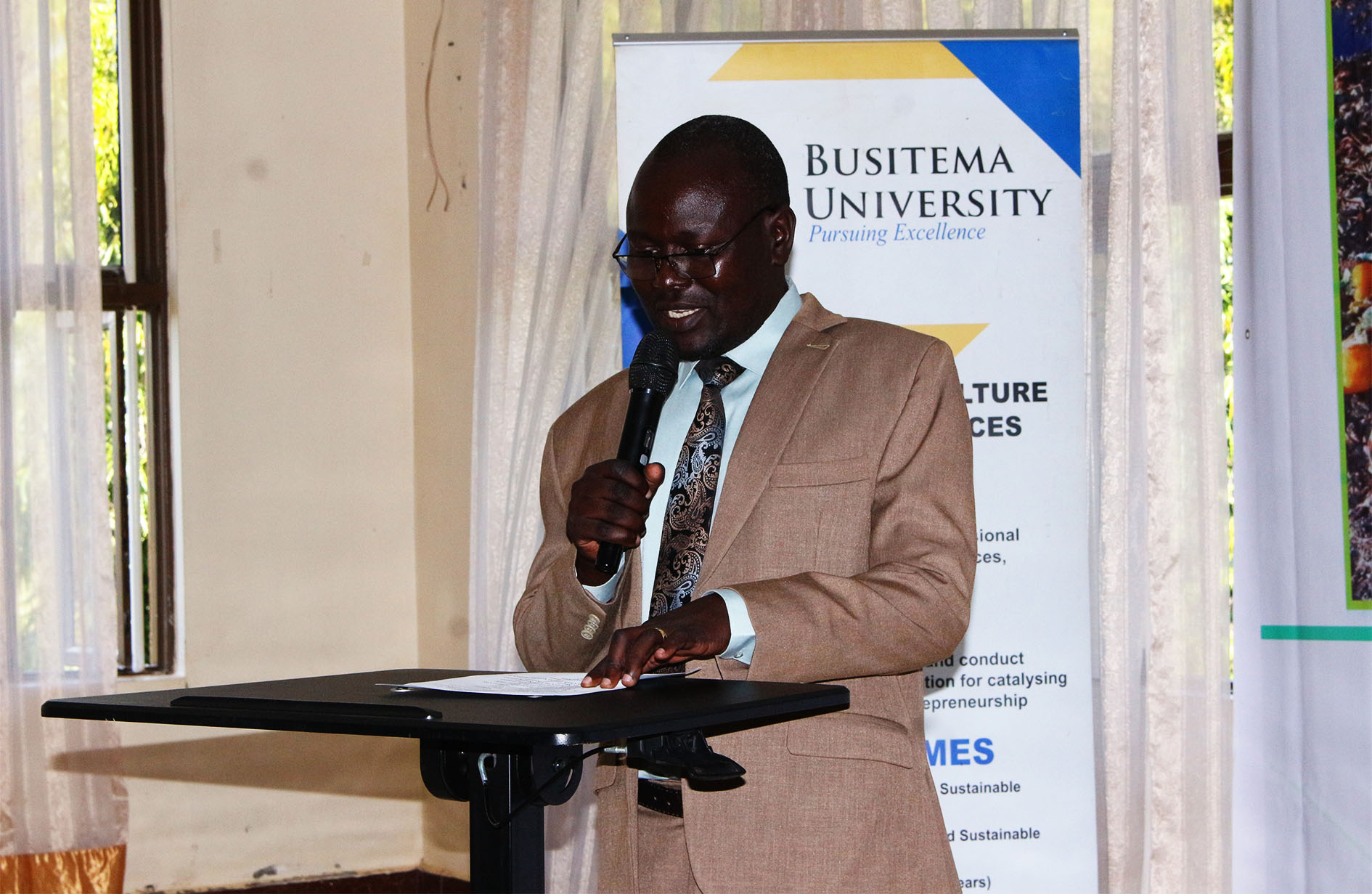
The Assistant Commissioner for Entomology at MAAIF, Mr. Lawrence Tumuhosange, emphasized the importance of insect-based technologies in supporting animal feed production and sustainable agriculture. He encouraged researchers to develop practical technologies that can benefit farmers and leverage existing mechanization centers in Soroti and other regions of Uganda.
Dr. Christine Chege, Senior Scientist and Principal Investigator at Alliance Biodiversity International and CIAT, underscored the enormous potential of transforming waste into wealth. She noted that the waste observed around Soroti City Market demonstrates the opportunities available for value addition and environmental management. According to Dr. Chege, the WAWE project will continue until the end of next year, focusing on capacity building, public-private partnerships, and community awareness campaigns to promote adoption of the technologies.
Closing the workshop, Soroti City Resident City Commissioner Mr. Chemutai James Small commended Busitema University for spearheading an initiative that addresses both environmental and economic challenges. He observed that poor waste disposal remains a significant challenge but can be transformed into a valuable opportunity through investment in organic fertilizer and animal feed production.
- 64 views